
TL;DR

Get garden gear delivered free with Prime
- Fast, free delivery on millions of items
- Prime Video, Amazon Music and more included
- Member-only deals all year
A report by Ideal Home highlights native hedging, including hawthorn and hazel, as a UK-suited option that can provide food and shelter for wildlife. Experts cited in the report also describe wider potential benefits, including shade, reduced air pollution and improved water retention, while noting that hedge choice and management matter.
Ideal Home has published expert advice recommending native hedging such as hawthorn and hazel for UK gardens, saying it can provide wildlife with food and shelter while creating shaded habitat. The report also cites expert claims that hedges can trap some air pollutants and help soil hold water, making hedge choice relevant to both garden wildlife and local environmental conditions.
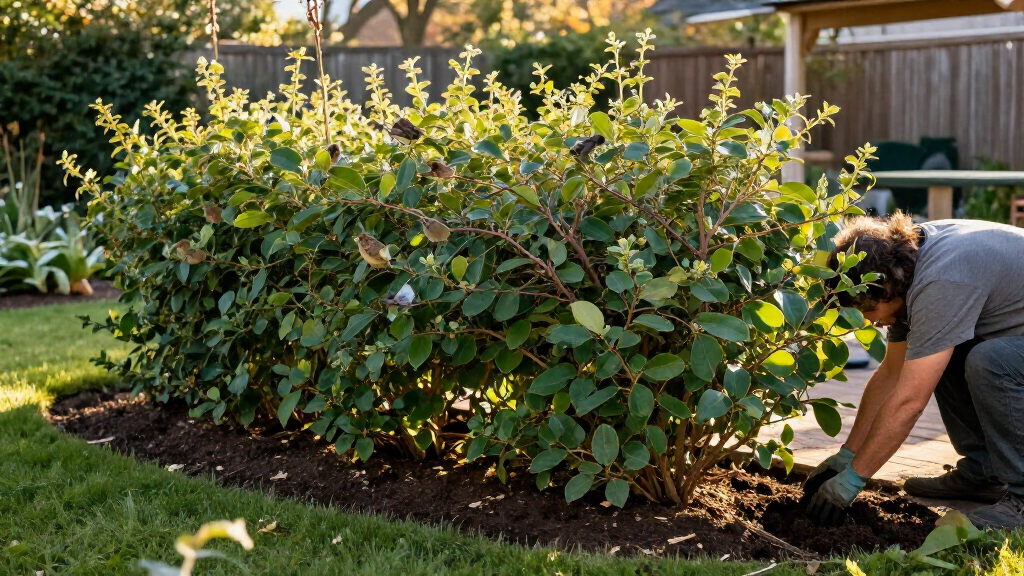
Nick Mann, an environmentalist and founder of Somerset-based Habitat Aid, recommends a well-managed mixed native hedge rather than relying on a single species. The report identifies hawthorn as a common foundation: it grows quickly, produces spring blossom and autumn haws, and its thorny growth can offer nesting cover. Holly can provide year-round cover, while hazel produces nuts. Mann cautions against blackthorn in a garden hedge because it can spread aggressively through suckers.
The report describes hedges as more than a boundary. Mann says established, managed hedges can provide deep shade and cooler spaces, and form protected routes between fragmented habitats. He also lists the range of resources a native thicket may offer, including blossom, berries, nuts and food plants for moth and butterfly larvae. These benefits depend on the hedge’s species and condition; the report does not quantify how much wildlife a particular planting will support.
Richard Barker, horticultural expert and commercial director of LBS Horticulture, says dense hedges such as hawthorn can give birds nesting cover and that leaf litter can shelter insects and small animals over winter. He also describes hedges as windbreaks that can provide shelter for fragile insects. The source presents these as expert guidance, not measurements from a new study.
How Hedges Support Garden Wildlife
Native hedging can combine several functions in a relatively small area: a boundary, a source of seasonal food, and cover for animals. For birds, thorny growth may reduce exposure to predators; for insects and other small wildlife, leaf litter and dense stems can provide shelter. A connected hedge may also help animals move between habitats, although the extent of that benefit will vary with the surrounding landscape and gaps in the hedge.
Mann says hedges of all kinds can trap larger airborne particulates, which may later be washed away, and absorb carbon dioxide. He also says hedge roots can improve soil health and water-holding capacity, potentially helping reduce flood risk. These are broad environmental claims in the source; it gives no measurements, comparison with other barriers, or site-specific results. Readers should not treat them as a guarantee that planting a hedge will measurably change local pollution or flooding.
The advice is relevant to gardeners weighing up a fence against a living boundary. A hedge can offer habitat and shade alongside its practical role, but it takes time to establish and needs management. Species selection, available space, local conditions and the gardener’s capacity to maintain it all shape the outcome.
native hedging plants for wildlife UK
As an affiliate, we earn on qualifying purchases.
As an affiliate, we earn on qualifying purchases.
Choosing and Managing a Native Mix
The Ideal Home report places native hedging within a wider interest in wildlife-friendly gardens, alongside measures such as planting bird-feeding plants and adding small ponds. It defines native hedging as plants native to the UK, with hawthorn and hazel among its examples, and says these plants are suited to the country’s climate. That suitability does not mean every native species will suit every garden or soil; the source offers no detailed regional planting guide.
For people considering hedge laying, Barker recommends traditional methods to create a dense barrier and prevent shrubs becoming tall, open-bottomed lines. He advises trying only a small section at first and carrying out the work during the dormant season, between October and March. He says the hedge should have several years of growth so its stems are developed enough to work with. Those without experience, or those dealing with a complex or long hedge, are advised to consult or hire a professional.
The report also mentions options beyond hawthorn and hazel, including holly, dogwood, buckthorn and honeysuckle for different seasonal or wildlife features. Mann recommends mixing native species in small groups and specifically warns that blackthorn may sucker aggressively in garden settings. The appropriate mix will depend on the space and the hedge’s intended role.
“Well-established and managed hedges provide deep shade and cooler spaces for wildlife.”
— Nick Mann, environmentalist and founder of Habitat Aid
Benefits Depend on Site and Care
The source is an expert-advice report, not a study measuring environmental outcomes. It does not provide data on how much pollution a hedge removes, how much additional water its roots retain, or how many species a particular planting supports. Those claims should be understood as general expert descriptions rather than guaranteed results for an individual garden.
The report also does not specify which hedge mixes perform best in different UK regions, soil types or garden sizes, or how long a new hedge takes to provide substantial cover. It gives no detailed cost comparison with fencing and no specific planting distances. Advice about local conditions and maintenance may be needed before choosing a mix or starting hedge laying.
Planning a Hedge Planting
The report does not announce a formal programme or a scheduled follow-up. For gardeners acting on its advice, the practical next step is to choose species suited to the site and decide whether the hedge will be planted as a mixed boundary, wildlife corridor or shelter. Anyone laying an established hedge should work only during the dormant season and seek professional help if the hedge is complex or the work is unfamiliar.
Because the report gives broad guidance rather than local planting specifications, gardeners may need advice from a qualified hedge-layer, horticulturist or local wildlife organisation. The source provides no further timetable for assessing the reported pollution, shade or water-retention benefits.
Key Questions
Which native hedge plants does the report recommend?
It highlights hawthorn and hazel and recommends a managed mix of native species. Holly, dogwood, buckthorn and honeysuckle are also mentioned for their differing cover, flowers, colour or wildlife-food value.
Why is hawthorn a popular choice?
The report says hawthorn grows quickly, flowers in spring and produces red haws in autumn. Its dense, thorny growth can also provide nesting cover for birds.
Can hedges reduce pollution or flooding?
Nick Mann says hedges can trap larger airborne particulates and that their roots can improve soil water retention. The report provides no measurements or site-specific results, so these benefits are not quantified or guaranteed for a particular garden.
When should a garden hedge be laid?
Richard Barker advises doing hedge laying during the dormant season, between October and March, and trying a small section first. He recommends professional advice for inexperienced gardeners or complex hedges.
Source: rss
Fall yard work Picks
leaf blowers
As an affiliate, we earn on qualifying purchases.