TL;DR

Get garden gear delivered free with Prime
- Fast, free delivery on millions of items
- Prime Video, Amazon Music and more included
- Member-only deals all year
A Country Living report outlines nine ways to attract and support birds in fall, drawing on advice from experts at the Cornell Lab of Ornithology and American Bird Conservancy. Recommendations include offering varied food and feeders, maintaining hummingbird feeders, planting native species, providing clean water and reducing hazards; the source does not quantify the effects of these measures.
Country Living has published nine recommendations for attracting and supporting birds in yards this fall, citing guidance from the Cornell Lab of Ornithology and American Bird Conservancy. The advice covers food, feeders, native plants and water for resident birds and species migrating through as temperatures cool and natural food can become harder to find.
The report says birds’ movements vary by species and location. Holly Grant, a project assistant for NestWatch at the Cornell Lab of Ornithology, says fall migration can run from late July into November or December, with peak movement in September and October. She notes that some hummingbirds, finches and sparrows pass through or arrive for winter, while many feeder birds remain year-round.
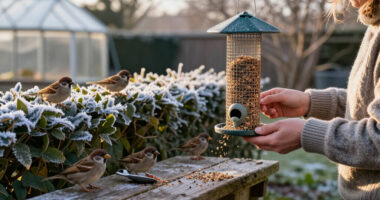
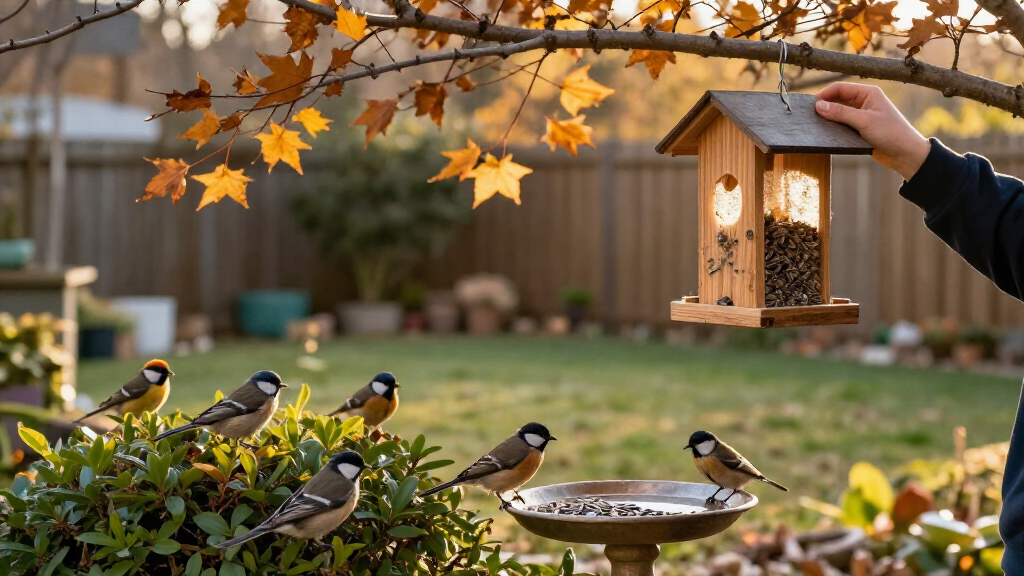
Its first recommendations are to put out feeders and offer a range of foods. Black-oil sunflower seed appeals to many species; striped sunflower, safflower, millet and corn serve other preferences. Suet, which is high in fat, can provide an energy-rich option in cold conditions. The report advises matching food and feeder styles to the birds in a region, including ground or platform feeders for species that do not readily use hanging feeders.
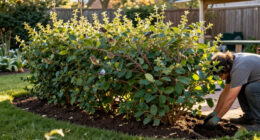
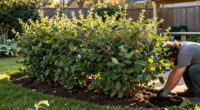
The other steps are to keep hummingbird feeders available during migration, clean and refill them every few days, plant native shrubs and plants that produce berries, fruits or seeds, and provide fresh, clean water with a birdbath. The report names serviceberry, mulberry, spicebush and arrowwood viburnum as examples of native plants that can offer food.
Food and Water During Fall
The recommendations address seasonal needs for birds that stay in an area as well as those stopping during migration. Food and clean water can be harder to find as conditions change, while feeders and native plants offer different sources of nourishment. Grant says feeders can support birds preparing to migrate or taking a stopover, and that keeping them stocked does not prevent migration, which is influenced by daylight hours.
For readers, the advice also points to practical ways to make a yard more useful beyond a single feeder. Different foods, feeder designs and native plants can serve different species. These are expert recommendations, not a measured study of how much any one change increases bird numbers or survival.
As an affiliate, we earn on qualifying purchases.
Migration and Yard Visitors
The report describes a mix of local and seasonal visitors. American robins, cardinals, jays, chickadees, wrens and woodpeckers are among birds that often stay put or move shorter distances, according to Kaitlyn Parkins, Glass Collisions Program coordinator at American Bird Conservancy. Grant says some robins shift from open areas to forests, while some mountain birds move to lower elevations for winter.
That variety helps explain why the report recommends more than one food or feeder type. Species preferences differ, and which birds visit depends on where a yard is located. The Cornell Lab’s Project FeederWatch Common Feeder Birds tool is cited as a resource for checking the foods and feeder styles preferred by common species.
“Fall migration normally occurs anywhere between late July through November and December, but peak times are in September and October.”
— Holly Grant, project assistant for NestWatch at the Cornell Lab of Ornithology
Local Results Will Vary
The report does not quantify how much these steps change bird visits, health or survival, and it does not provide results from a controlled study. Which species appear depends on location, season and habitat; the listed foods and plants are examples rather than a guarantee that particular birds will visit. The source material also ends during its birdbath section, so it does not supply the full explanation or additional details for that recommendation.
Practical Steps for the Season
Readers can use the seasonal guidance by checking which birds occur locally, choosing appropriate food and feeders, and keeping food and water clean. Project FeederWatch’s Common Feeder Birds tool can help identify food and feeder preferences. The report recommends refreshing hummingbird nectar and cleaning those feeders every few days; it gives no broader schedule for other feeders or birdbaths.
Key Questions
When does fall bird migration happen?
According to Holly Grant of the Cornell Lab of Ornithology, fall migration can occur from late July through November or December, with peak periods in September and October. Timing varies by species and location.
Will a feeder stop birds from migrating?
Grant says feeders do not prevent migration. She says daylight hours influence migration and feeders can offer food to birds preparing to travel or stopping along the way.
What food can attract different kinds of birds?
The report recommends offering a variety, including sunflower seeds, safflower, millet, corn and suet. Preferences differ among species, so Project FeederWatch’s Common Feeder Birds tool can help guide choices.
How often should hummingbird feeders be cleaned?
The report advises cleaning hummingbird feeders and refreshing the nectar every few days to help prevent harmful bacteria from growing.
Which native plants does the report recommend?
Examples include serviceberry, mulberry, spicebush and arrowwood viburnum, selected because native plants that produce berries, fruit or seeds can add natural food for birds.
Source: rss
Fall yard work Picks
leaf blowers
As an affiliate, we earn on qualifying purchases.