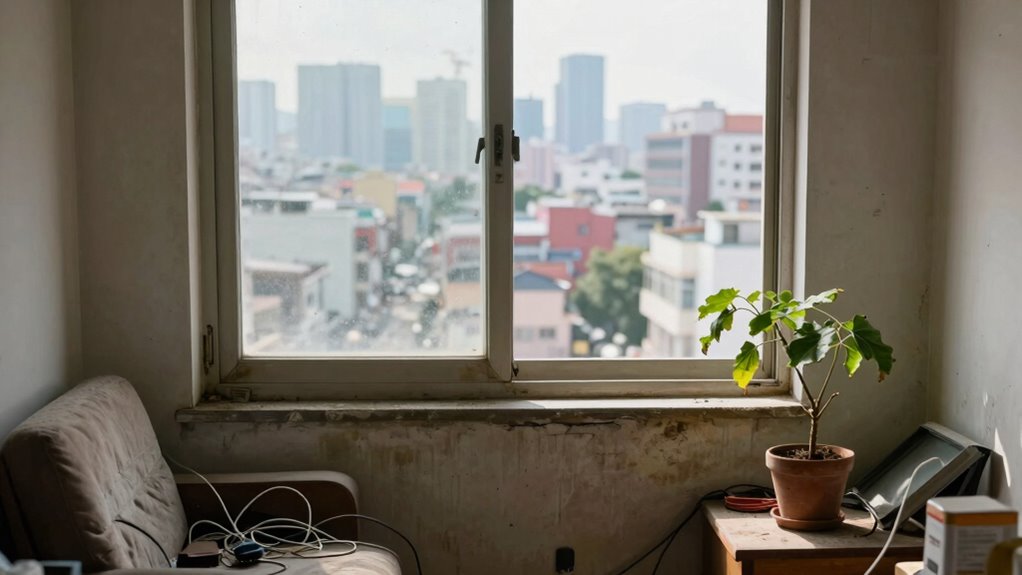
Opening a window isn’t always the best way to improve indoor air quality because outdoor pollution, pollen, and allergens can enter and make things worse. Weather, location, and time also influence how effective ventilation is. In some cases, fresh air can bring in harmful contaminants or easily increase indoor allergens. To truly improve air quality, you need a balanced approach that considers external conditions and combines strategies. Keep exploring to see how you can create a healthier indoor environment.
Open a free Amazon Business account
Business pricing, bulk buying and tax-exempt orders.
As an affiliate, we earn on qualifying purchases.
Key Takeaways
- External air quality varies by location, weather, and time, making window opening ineffective or harmful in certain conditions.
- Opening windows can introduce outdoor pollutants like pollen, dust, and vehicle emissions, worsening indoor air quality.
- Natural ventilation dilutes indoor pollutants but doesn’t remove them, and may allow allergens to settle deeper indoors.
- Outdoor conditions, such as wind and pollution spikes, can reduce the effectiveness of air purifiers and complicate ventilation.
- Relying solely on window opening ignores the need for additional air quality measures like air purifiers and humidity control.

When it comes to improving indoor air quality, many people quickly suggest, “Just open a window.” While this can sometimes help, it’s not a one-size-fits-all solution. If you’re dealing with indoor allergies or trying to improve air purifier efficiency, simply opening a window might do more harm than good. Outdoor air quality varies greatly depending on your location, time of day, and weather conditions. Pollen, pollution, and allergens can enter through an open window, aggravating indoor allergies instead of alleviating them. For allergy sufferers, open windows during high pollen seasons or when outdoor pollution levels spike is often counterproductive. Instead of clearing out indoor pollutants, you might be inviting new ones inside, making symptoms worse.
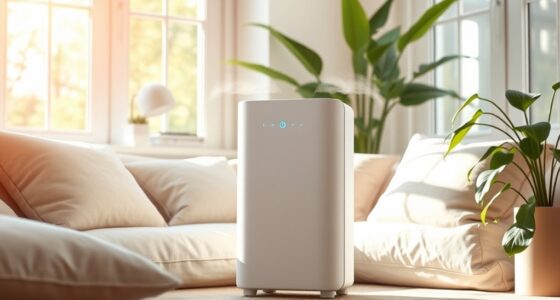
Furthermore, relying solely on natural ventilation doesn’t guarantee cleaner air. While fresh air can sometimes dilute indoor pollutants, it doesn’t necessarily remove them. Dust, pet dander, mold spores, and other allergens can still linger or even be pushed deeper into your living space with a gust of outdoor air. This makes the effectiveness of opening a window highly situational. If you’re trying to increase air purifier efficiency, depending on an open window isn’t the smartest move. Air purifiers are designed to filter out indoor allergens and pollutants, and their efficiency is often compromised if outdoor air continuously enters, bringing in new contaminants. When windows are open, the purifier works harder to clean the incoming air, reducing its overall effectiveness and wasting energy. Indoor air quality can also be impacted by factors like ventilation, humidity, and indoor pollutant sources, which require more than just opening a window to address effectively. Additionally, unpredictable outdoor conditions** can vary greatly, making the decision to open a window a complex one rather than a simple fix. Wind can carry dust, pollen, and vehicle emissions into your home, making it harder for your air purifier to do its job. Understanding local air quality becomes a crucial part of deciding when to ventilate naturally. On windy days, opening a window might actually introduce more pollutants than it removes. If you live in an urban area or near busy roads, outdoor air might be filled with exhaust fumes, which are especially harmful for those with indoor allergies or respiratory issues. In these cases, keeping windows closed and relying on a well-maintained air purifier becomes crucial for maintaining healthier indoor air. Proper ventilation strategies** are essential to achieve a good balance between fresh air and pollutant control, especially in polluted environments.
Ultimately, understanding when and where to open a window matters. It’s not a universal fix, especially if indoor allergies are a concern or if you want your air purifier to work efficiently. Better indoor air quality often requires a combination of strategies: controlling humidity, reducing indoor allergens, and utilizing high-quality air purifiers. These measures, taken together, provide a more reliable and consistent way to breathe easier indoors, without the unpredictability of outdoor air conditions.
As an affiliate, we earn on qualifying purchases.
Frequently Asked Questions
Can Opening a Window Improve Indoor Air Quality Significantly?
Opening a window can improve indoor air quality temporarily by boosting air circulation, but it doesn’t guarantee significant or consistent ventilation efficiency. Wind direction, outdoor pollution, and weather conditions affect how well fresh air replaces stale indoor air. To truly enhance air quality, you need a controlled ventilation system that manages airflow and removes pollutants effectively, rather than relying solely on opening a window, which offers only a limited and variable solution.
What Are Alternative Methods to Improve Indoor Air Besides Opening Windows?
You might notice that sometimes, opening a window isn’t enough, especially when outdoor air isn’t fresh. Instead, try air purification devices like HEPA filters to trap pollutants, or upgrade your HVAC system with better filtration. These methods actively improve air quality, regardless of weather or outdoor pollution. Combining air purification with regular HVAC maintenance guarantees cleaner, healthier indoor air, even when you can’t or shouldn’t open your windows.
How Does Outdoor Pollution Affect the Effectiveness of Opening Windows?
Outdoor pollution can considerably reduce the effectiveness of opening windows because outdoor infiltration introduces indoor pollutants, worsening air quality. When outdoor air is contaminated with pollutants like vehicle emissions or industrial fumes, opening windows allows these harmful substances inside. You might think you’re revitalizing the air, but instead, you could be increasing indoor pollutant levels, making it harder to improve overall air quality without proper filtration or ventilation strategies.
Are There Specific Times When Opening Windows Is More Beneficial?
Like opening Pandora’s box at the right moment, opening your windows is most beneficial when outdoor air quality is good, typically early mornings or after rain. During these times, air circulation improves without letting in pollutants. However, be mindful of noise disturbance from traffic or neighbors, which can outweigh the benefits. So, choose your timing wisely to balance fresh air and peace inside.
How Does Weather Impact the Decision to Open Windows for Ventilation?
Weather considerably impacts your decision to open windows for ventilation. Seasonal variations, like cold winters or hot summers, can make opening windows uncomfortable or impractical. Wind patterns also matter; strong breezes can improve airflow and disperse indoor pollutants, but gusts might bring in dust or noise. You should assess both the season and wind conditions to decide if opening windows benefits your indoor air quality or if alternative methods are better.
Conclusion
So, next time you think opening a window will solve all your air issues, remember it’s just a door to a bigger story. Like a key to a treasure chest, fresh air can release comfort, but only if you understand the room’s true needs. Sometimes, you need more than just a breeze—you need the right tools and knowledge. Think of your home as a garden; a single window isn’t enough to nurture every bloom.
Flea & tick season Picks
flea and tick prevention
As an affiliate, we earn on qualifying purchases.