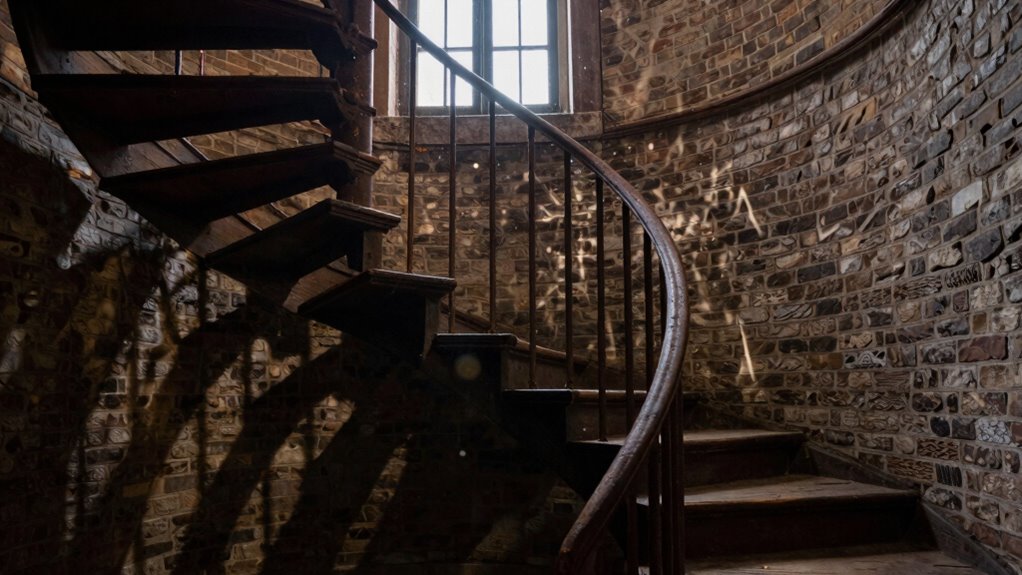

Open staircases may look stylish and modern, but safety issues are often overlooked. Without enclosed risers or barriers, falls become a real risk, especially for children and seniors. You might find the design attractive, but hazards like slips and injuries are hidden behind the beauty. Fortunately, there are solutions that balance style and safety. Keep exploring to uncover how you can enjoy open stairs without risking safety.

Get garden gear delivered free with Prime
- Fast, free delivery on millions of items
- Prime Video, Amazon Music and more included
- Member-only deals all year
Key Takeaways
- Open staircases enhance aesthetics but pose significant fall risks without proper safety features like handrails or barriers.
- The lack of enclosed risers increases the danger for children, elderly, and pets, often overlooked in design.
- Balustrades and tempered glass panels can improve safety while maintaining the open, airy appearance.
- Building codes require specific safety standards that many open staircases fail to meet, risking legal and safety issues.
- Innovations in materials and design help balance the visual appeal of open stairs with modern safety requirements.
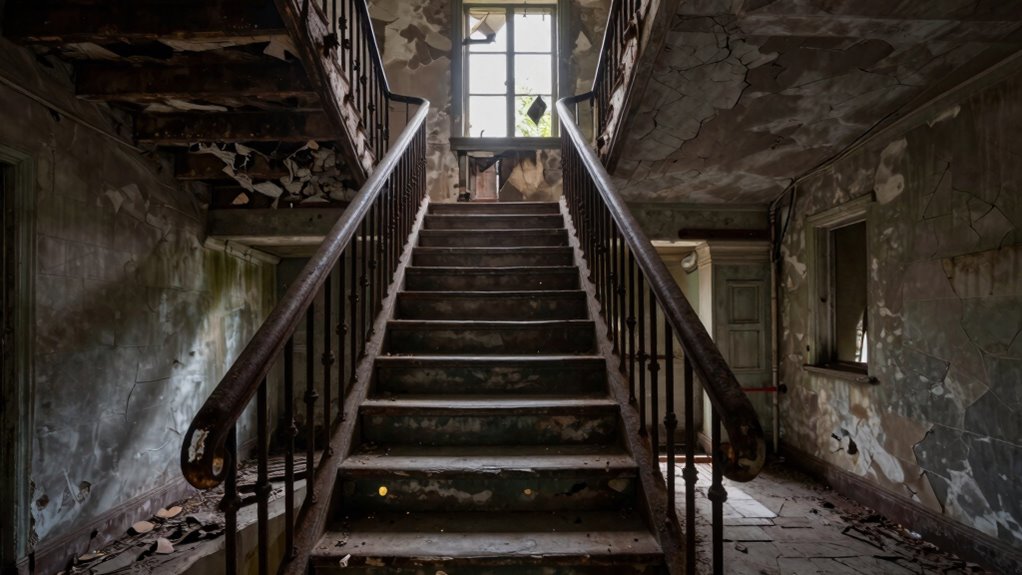
Have you ever wondered what makes an open staircase both a design statement and a safety concern? It’s a question that touches on the delicate balance between aesthetics and practicality. Open staircases, with their sleek, airy look, have a rich history rooted in architectural evolution. Historically, these staircases originated in grand European palaces and public buildings, where they served both functional and decorative purposes. They symbolized power and elegance, often crafted with intricate balustrades and luxurious materials. Over time, architects sought to replicate this sense of grandeur in residential spaces, giving birth to the open staircase as a design element. Its origins reveal a desire to showcase craftsmanship and create a sense of openness within confined spaces.
But while their visual appeal is undeniable, open staircases pose significant safety challenges that many overlook. Their lack of enclosed risers and open sides can make them hazardous, especially for children, the elderly, or anyone with mobility issues. The danger isn’t just theoretical — falls and injuries are real risks, particularly in homes where safety measures aren’t properly implemented. This safety concern has prompted architects and designers to develop various architectural solutions to mitigate risks without sacrificing style. For example, adding handrails, installing glass balustrades, or choosing materials with non-slip surfaces can help make open staircases safer. Some designers incorporate height barriers or partial enclosures that maintain the open feel but provide extra protection. These architectural solutions aim to preserve the staircase’s aesthetic appeal while addressing safety. Additionally, understanding the structural safety of open staircases is crucial to ensuring they meet modern building standards and protect all users. Innovative materials and design techniques continue to evolve, offering safer options that blend seamlessly with contemporary decor. Incorporating building codes and safety standards is essential to ensure that open staircases remain both beautiful and compliant with regulations.
Modern innovations, such as non-slip materials and advanced fastening techniques, have further expanded options for safer open staircases. Today, the challenge remains in balancing these two aspects. You want an open staircase to elevate your space, to impart a sense of lightness and elegance; yet, you also need to guarantee it’s safe for everyone who uses it. Modern design techniques and innovative materials allow you to achieve both goals. For instance, using tempered glass panels creates a transparent barrier that’s stylish and secure. Similarly, custom-designed balustrades can complement the overall decor while providing sturdy support. The key is understanding that the historical origins of open staircases are deeply tied to their visual impact, but contemporary architectural solutions enable you to enjoy their beauty without compromising safety. By integrating these solutions thoughtfully, you can bring both history and modern safety standards into harmony within your space. Furthermore, ongoing research into building safety continues to enhance the safety features of open staircases, making them more reliable and user-friendly.
staircase handrails for open stairs
As an affiliate, we earn on qualifying purchases.
As an affiliate, we earn on qualifying purchases.
Frequently Asked Questions
How Did the Open Staircase Problem Originate Historically?
You might find that the open staircase problem originated from historical safety debates during architectural evolution. Architects and engineers faced challenges balancing aesthetic appeal with safety, leading to debates about open versus enclosed staircases. As building design evolved, the open staircase became popular for its elegance, but concerns about safety, especially in public spaces, prompted ongoing discussions. This tension between style and safety continues to influence modern architectural decisions today.
Are There Modern Architectural Solutions for Open Staircase Safety?
Imagine safety as a guiding light—modern solutions turn that vision into reality. You’ll find innovative railing designs that blend safety with aesthetics, ensuring open staircases are secure without sacrificing style. Lighting solutions, like LED strips along handrails or step edges, illuminate every step, creating a visual barrier that enhances safety. These advancements make it possible for you to enjoy open staircases confidently, knowing modern technology has your safety covered seamlessly.
What Psychological Effects Do Open Staircases Have on Residents?
Open staircases can cause psychological discomfort by making residents feel exposed or insecure, especially if safety features aren’t obvious. They influence your spatial perception, often making spaces seem larger or more connected, but this can also lead to anxiety about falls or privacy. You might find yourself more alert or cautious around open staircases, as the openness impacts your comfort and sense of control within the environment.
How Do Building Codes Address Open Staircase Design Issues?
Building codes act as guardians, ensuring open staircases don’t become risks. They specify lighting design to illuminate every step, preventing accidents, and regulate material selection for slip-resistant, durable surfaces. These rules symbolize safety and careful planning, guiding architects to design staircases that are both beautiful and secure. By following these codes, you create spaces that invite movement while safeguarding residents, turning potential hazards into harmonious features within your building.
Are Open Staircases More Cost-Effective Than Enclosed Ones?
Open staircases are generally more cost-effective initially due to simpler materials like wood or metal, which are cheaper than enclosed staircase materials. However, you should consider maintenance challenges, as open designs may require more frequent cleaning and repairs to keep them safe and aesthetic. While they save on upfront costs, ongoing upkeep could offset those savings, making enclosed staircases potentially more economical long-term.
Conclusion
You might not realize it, but open staircases are surprisingly common—about 15% of new homes feature them. Despite their stylish appeal, they pose safety risks, especially for children and pets. Understanding this problem helps you make smarter choices about your home design. Next time you see an open staircase, remember the safety stats and consider whether its aesthetic value outweighs potential hazards. Making informed decisions guarantees your home stays both beautiful and safe.
Fall Picks
fall essentials
As an affiliate, we earn on qualifying purchases.