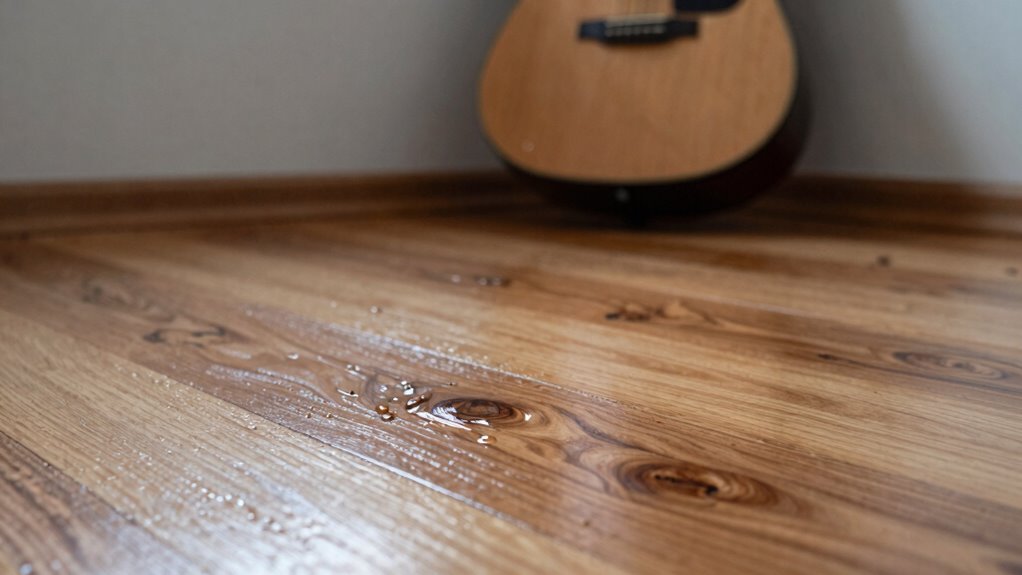
High humidity can cause your floors to warp, swell, or develop mold, while low humidity makes materials like wood brittle and prone to cracking. For your instruments, moisture buildup may lead to corrosion or warping, affecting sound quality. Indoor comfort suffers with fluctuating humidity—dry air causes dryness and static shocks, while damp air feels stuffy and uncomfortable. Managing humidity helps protect your belongings and creates a healthier environment. Keep going to discover how to maintain the ideal moisture balance.

Get garden gear delivered free with Prime
- Fast, free delivery on millions of items
- Prime Video, Amazon Music and more included
- Member-only deals all year
Key Takeaways
- High humidity causes wood floors and instruments to swell, warp, or become damaged over time.
- Low humidity dries out materials, leading to cracks, brittleness, and increased risk of damage.
- Fluctuating humidity promotes mold growth, which can harm floors, furnishings, and indoor air quality.
- Proper humidity levels reduce static electricity, protecting sensitive electronics and reducing discomfort.
- Maintaining balanced humidity enhances indoor comfort by preventing dryness, stuffiness, and respiratory issues.
Humidity levels play a crucial role in maintaining the integrity of your floors, the accuracy of your instruments, and overall indoor comfort. When humidity is too high or too low, it can create a range of problems that affect your home environment and the things inside it. One area often overlooked is its effect on artwork. High humidity causes moisture buildup, which can lead to mold, warping, or cracking of paintings, sculptures, and other delicate pieces. Conversely, low humidity can make materials like canvas, wood, and paper brittle, increasing the risk of tears, splits, or irreversible damage. Maintaining a balanced humidity level helps preserve your artwork’s appearance and structural integrity, ensuring it remains vibrant and intact for years to come. Proper humidity control is essential for preserving materials, preventing long-term damage to your possessions.
In addition to affecting artwork, fluctuating humidity can considerably impact electronics. When the air is too humid, moisture can accumulate inside devices, leading to corrosion of circuit boards and other sensitive components. This can cause short circuits, malfunctions, or even total device failure over time. On the other hand, extremely dry air increases static electricity, which can discharge onto electronic components, risking damage or data loss. You might notice your gadgets acting erratically or shutting down unexpectedly in such conditions. Maintaining optimal humidity levels** minimizes these risks, extending the lifespan of your electronics and maintaining their best performance. Additionally, air quality can be compromised in extreme humidity conditions, affecting indoor health and comfort. Proper humidity management can also help prevent mold growth, which is common in environments with inconsistent moisture levels. An understanding of humidity fluctuations** and their effects can further help you optimize your indoor environment.
Humidity also influences the comfort and health of everyone in your indoor space. When air is too dry, you may experience dry skin, irritated eyes, or respiratory discomfort. It can also lead to increased static shocks, which can be startling and unpleasant. On the flip side, excessively humid environments feel stuffy and clammy, making your home uncomfortable and promoting mold growth. Proper humidity levels help you breathe easier, reduce allergy symptoms, and create a more pleasant atmosphere overall. Using humidifiers or dehumidifiers as needed can help you strike the right balance, ensuring your indoor environment remains cozy without risking damage to your belongings.
As an affiliate, we earn on qualifying purchases.
Frequently Asked Questions
How Does Humidity Impact Allergy Symptoms Indoors?
High humidity levels can worsen your allergy symptoms indoors by increasing airborne allergens and promoting mold proliferation. When moisture is abundant, allergens like dust mites thrive and release more particles into the air, triggering reactions. Mold spores also grow faster in humid environments, further aggravating allergies. To reduce symptoms, keep humidity between 30-50%, improve ventilation, and control moisture to minimize airborne allergens and mold growth.
Can Humidity Levels Affect Electronic Device Longevity?
You might not realize it, but high humidity levels can cut your electronic device lifespan by up to 20%. Excess moisture causes electronics corrosion, damaging circuits and reducing longevity. Maintaining proper humidity calibration helps prevent this, safeguarding your gadgets. Keep humidity levels in check to avoid unnecessary repairs and replacements, ensuring your devices stay functional longer. Protect your investments by controlling indoor humidity—it’s a simple, effective way to extend their life.
What’s the Ideal Humidity Range for Sensitive Artwork?
The ideal humidity range for sensitive artwork is between 40-50%. Maintaining this range helps preserve colors and prevent damage like warping or cracking. You should use climate control systems to stabilize moisture levels consistently. By monitoring and adjusting humidity with dehumidifiers or humidifiers, you protect your artwork from fluctuations that could cause deterioration. Keeping the environment within this suitable moisture range ensures your art stays in excellent condition over time.
How Does Humidity Influence Indoor Plant Health?
Humidity influences your indoor plant health by balancing plant transpiration and soil moisture. When humidity is just right, transpiration occurs smoothly, helping plants absorb nutrients and stay hydrated. Too low, and soil dries out quickly, stressing plants and hindering growth. Too high, and excess moisture fosters mold and root rot. Maintaining ideal humidity guarantees your plants thrive, with healthy foliage, strong roots, and vibrant growth.
Can Humidity Changes Damage Structural Elements of a Building?
Yes, humidity changes can damage your building’s structural elements. When humidity levels fluctuate, they cause structural expansion and contraction, stressing materials like wood and concrete. Over time, this leads to material deterioration, weakening the integrity of walls, beams, and foundations. You might notice cracks or warping, which signals that humidity is impacting your building’s stability. Managing humidity levels helps prevent this damage and prolongs your structure’s lifespan.
Conclusion
Maintaining proper humidity levels is essential for protecting your floors, instruments, and overall comfort. Did you know that humidity fluctuations between 30% and 50% can reduce damage and prolong the life of your belongings? By keeping indoor humidity steady, you create a healthier environment and avoid costly repairs. So, stay vigilant with humidifiers or dehumidifiers, and enjoy a more comfortable, damage-free home. Your space will thank you for it!
Halloween Picks
halloween
As an affiliate, we earn on qualifying purchases.