TL;DR

Get garden gear delivered free with Prime
- Fast, free delivery on millions of items
- Prime Video, Amazon Music and more included
- Member-only deals all year
Following high winds and heavy rain from Storm Austen and Storm Boelo, Ideal Home reports that garden experts recommend four patio checks: damage and debris, standing water, blocked drainage, and weakened garden structures. The advice is to address hazards and drainage problems before further weather worsens them; the extent of damage to individual properties is unknown.
After Storm Austen and Storm Boelo brought high winds and heavy rain to the UK, an Ideal Home report has urged homeowners to check patios for loose paving, standing water, blocked drains and weakened garden structures. Garden experts quoted in the report say spotting these problems early can help prevent hazards and avoid further deterioration during subsequent bad weather.
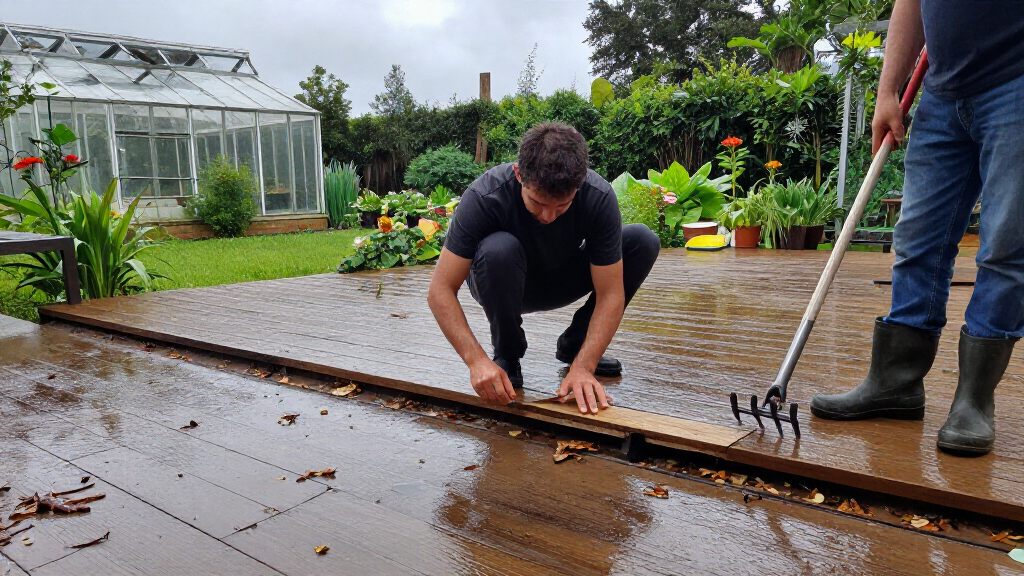
The report recommends first clearing fallen leaves and other debris while looking for loose paving slabs, fallen branches and broken plant pots. Amber Tunney, plant buyer at Cherry Lane Garden Centres, says these can become trip hazards. Andrew White, an outdoor expert at Harbour Lifestyle, advises using a soft-bristled brush on delicate paving and choosing cleaning products suited to the surface, following the product instructions.
Homeowners are also advised to check for puddles that do not drain and joints between slabs that have washed out. White says persistent standing water can weaken paving joints; if temperatures fall below freezing, water can expand and worsen existing cracks. The report suggests clearing drainage channels and checking whether water is gathering beside walls, fences or pergola posts. Leaves should be removed from drains rather than pushed into corners.
The fourth check is for movement or damage to fences, pergolas, screens and furniture. White recommends looking for leaning posts, loose fixings, movement at joints, rust on metal frames and splits in wooden joints. The report says covers or storing furniture can help protect it from rain and dirt, but does not present a particular product as necessary.
Small Patio Problems Can Worsen
Storm damage may not be limited to objects visibly broken or blown over. Standing water, loose slabs and blocked drains can create ongoing problems if left unattended, while unstable paving and fallen debris can pose immediate trip hazards. Checking the patio after severe weather gives homeowners a chance to identify issues before another storm or a freeze adds to the damage.
The report offers practical inspection advice rather than evidence that every patio affected by these storms has sustained damage. The appropriate response depends on what a homeowner finds: clearing debris may be straightforward, while persistent pooling or unstable structures may need professional assessment.
Products Worth Considering

Philips Hue Festavia Globe Outdoor String Lights, 32 Bulbs, 91 ft

Philips Hue Festavia 130-Foot Indoor/Outdoor Smart String Lights, 500 LEDs

Blueair Blue Pure 511i Max Smart Air Purifier
As an affiliate, we earn on qualifying purchases.
Advice After Two UK Storms
The Ideal Home report followed a weekend of high winds and heavy rain associated with Storm Austen and Storm Boelo. It focuses on patio checks, rather than offering a wider assessment of damage across the UK or reporting official storm impact figures.
Its recommendations come from two garden and outdoor specialists. Tunney identifies common visible hazards, while White discusses drainage, paving and garden structures. The report also mentions tools and covers as possible ways to clear water or protect furniture, but the central advice is to inspect the patio and address problems according to the surface and conditions.
“After a storm, check your patio for any damage, particularly loose paving slabs, fallen branches or broken plant pots that could be a trip hazard.”
— Amber Tunney, plant buyer at Cherry Lane Garden Centres
Extent of Damage Is Unknown
The report does not give an official count or assessment of storm-related patio damage, nor does it establish how widespread the problems are. It also does not specify the source’s publication date. Whether a particular patio needs simple clearing, repairs or a drainage assessment depends on the damage and how water behaves after debris is removed.
White says persistent pooling after drains have been cleared is a reason to have patio drainage assessed. The report does not provide a cost estimate, repair timetable or named inspection service.
Inspect, Clear and Recheck
Homeowners can begin by clearing debris and checking paving, drainage and structures for the issues described by the experts. Any cleaning product should be suitable for the paving material and used according to its instructions. If water continues to pool after drains are cleared, White recommends getting the patio drainage assessed; loose or leaning structures should also be addressed before further exposure to wind and rain.
The next step will depend on local conditions and what an inspection reveals. The report does not identify a further official update or scheduled assessment of Storm Austen or Storm Boelo damage.
Key Questions
What four things should I check on my patio after a storm?
Check for damage and debris, persistent puddles, blocked drains and weakened garden structures, including fences, pergolas, screens and outdoor furniture.
Why should I deal with standing water?
Andrew White says persistent water can weaken paving joints. If temperatures fall below freezing, expanding water can make existing cracks worse.
What should I do if water still pools after I clear the drains?
White recommends having the patio drainage assessed if pooling continues after the drainage channels have been cleared.
What signs of storm damage should I look for on garden structures?
Look for leaning posts, loose fixings, movement around joints, rust on metal frames and splits in wooden joints, as well as damage to furniture.
Source: idealhome.co.uk