TL;DR

Get garden gear delivered free with Prime
- Fast, free delivery on millions of items
- Prime Video, Amazon Music and more included
- Member-only deals all year
A gardener writing for Amateur Gardening says summer heat and drought in South East England damaged many crops despite watering and soil improvements. Containers, grapes and figs did well, while later berries and several tree fruits struggled; he plans to grow more perennial fruit next year.
After a hot, drought-hit summer in South East England damaged many of his garden crops, Amateur Gardening contributor Bob says grapes, figs and container-grown plants performed best, while later berries and some tree fruit suffered. He plans to grow fewer annual vegetables and flowers next year and add more perennial fruit, while noting that future seasons may not repeat this one exactly.
Bob describes struggling to keep his vegetable plot watered during the dry spell, including after a hosepipe ban took effect. Despite years of soil improvement, mulching and hand watering, he says many crops and flowers had to be abandoned. Watering sometimes helped individual plants, but dry soil nearby continued to lose moisture, limiting growth.
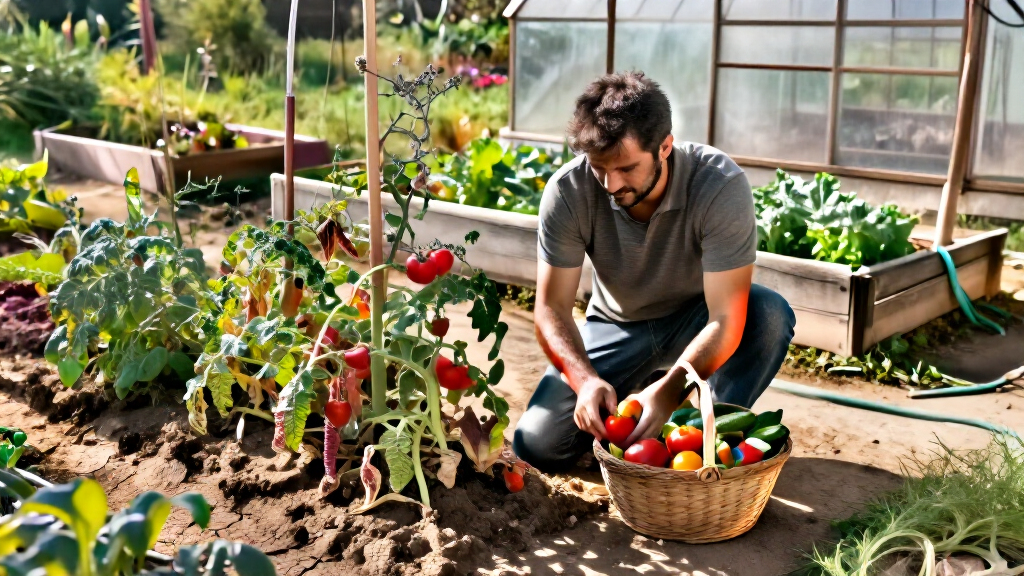
Containers were among the season’s successes, Bob reports, because they held water more effectively than the surrounding ground. In beds, he directed water to the roots of tomatoes and squashes using plastic-bottle funnels. Early onions, garlic and potatoes also did reasonably well, helped by moisture left from a wetter winter.
Results varied among fruit crops. Bob says early berries and currants were good, while later blackberries arrived about a month early and were disappointing. Apricots, peaches and cherries performed well, but later plums, apples and pears were less successful; the apples and pears were small and affected by worms. He describes the season’s grapes and figs as particularly successful, with little apparent damage from flies or wasps.
Which Crops Withstood the Dry Spell
Bob’s account illustrates how the same weather can produce sharply different results within one garden. His experience suggests that water delivery and growing conditions mattered alongside crop choice: containers and targeted watering helped some plants, while the wider plot remained too dry to support others. These observations may help gardeners decide what to try, but they are one gardener’s report, not a controlled comparison or a region-wide assessment.
His plans also reflect a practical response to the possibility of more difficult summers. Growing more perennial fruit could reduce reliance on annual crops that need regular watering, though Bob does not claim that any crop will be immune to drought or that the same varieties will perform well in every garden.
garden water timer for drought conditions
As an affiliate, we earn on qualifying purchases.
As an affiliate, we earn on qualifying purchases.
A Season Shaped by Heat and Drought
The report was published by Amateur Gardening as a personal account of the growing season in South East England. Bob says the dry conditions were challenging even before water restrictions, and harder afterward. He also notes that the season began with a wetter winter, which left some soil moisture and benefited early-harvested crops.
Beyond water stress, the warm, dry air and strong sun had mixed effects in his garden. Bob says plants could grow well where conditions suited them, and he saw relatively few slugs. The report does not provide weather-station data, crop yields, or a precise location, so it should be read as a gardener’s observations rather than a measurement of regional crop losses.
““Containers were for me, the winners.””
— Bob, Amateur Gardening contributor
How Next Summer May Differ
Bob cautions that the next season may not bring the same conditions, while saying he expects similar or worse weather could occur more often. The report does not establish how widespread the crop effects were across the South East, how much produce was lost, or whether the same plants would thrive in another garden. It also gives no forecast for next year, and the effect of any future water restrictions is unknown.
Bob’s Planting Plans for Next Year
Bob plans to reduce the number of annual vegetables and flowers he grows, keeping some for early planting or growing them in containers, and to plant more perennial fruit. He recommends considering currants, berries, apricots and grapes. Among the grape varieties he names are ‘Siegerrebe’, ‘Suffolk Red’, ‘Regent’ and ‘Boskoop Glory’.
He says the period after the report is a suitable time to plant, but gives no detailed planting schedule or guarantee of results. Gardeners considering the varieties can use local growing guidance to check suitability for their site and conditions.
Key Questions
Which crops did Bob say performed best?
He reports that grapes and figs were especially successful. Containers also performed well, and early onions, garlic and potatoes benefited from moisture left by a wetter winter.
Which fruits struggled in the drought-hit season?
Bob says later blackberries were disappointing, while plums were less successful than earlier stone fruit. His apples and pears were small and affected by worms, even after he thinned them.
Why did containers do better in Bob’s garden?
Bob says the containers retained water more effectively than the surrounding dry ground. He also directed water to the roots of tomatoes and squashes using plastic-bottle funnels.
What does Bob plan to grow next year?
He plans fewer annual vegetables and flowers, with more perennial fruit, including currants, berries, apricots and grapes. He names ‘Siegerrebe’, ‘Suffolk Red’, ‘Regent’ and ‘Boskoop Glory’ as grape varieties to consider.
Source: rss
Halloween Picks
halloween
As an affiliate, we earn on qualifying purchases.