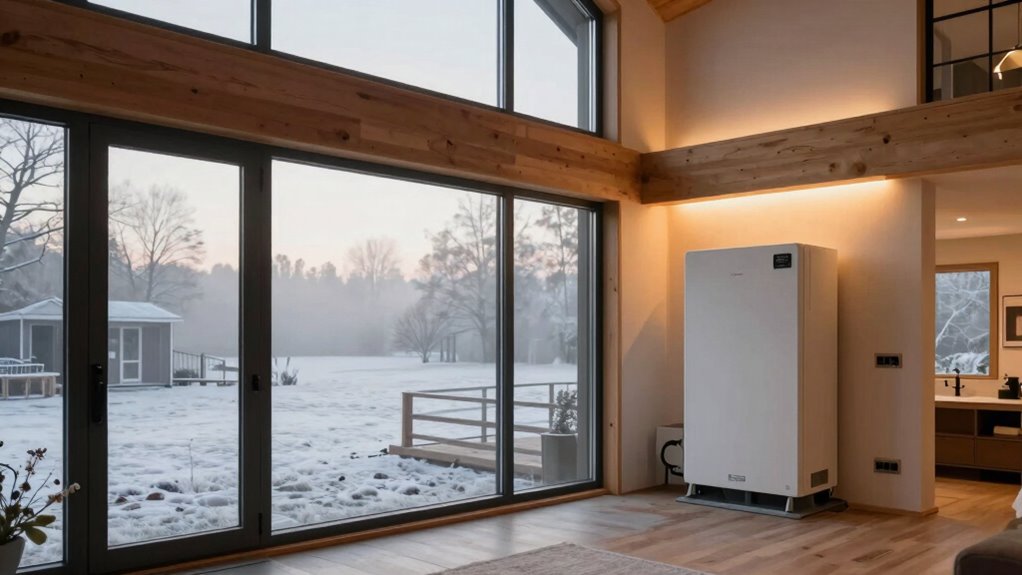
If your home is airtight, you might think it’s better to keep it closed up— but without proper ventilation, indoor pollutants, allergens, and moisture can build up quickly. HRVs and ERVs help by bringing in fresh air while recovering heat and humidity, improving your indoor air quality and energy efficiency. Ignoring this means risking health issues and costly repairs. Want to understand why these systems are essential for a healthy, efficient home? Keep exploring to learn more.

Get garden gear delivered free — and shop member deals
- Fast, free delivery on millions of items
- Access to Prime Big Deal Days deals on October 6–7
- Prime Video, Amazon Music and more included
Key Takeaways
- Airtight homes trap indoor pollutants, making effective ventilation essential for maintaining air quality.
- HRVs and ERVs recover heat and moisture, preventing issues caused by stale, humid indoor air.
- Without proper ventilation, moisture buildup can lead to mold and structural damage.
- These systems reduce energy costs by efficiently exchanging indoor and outdoor air.
- Proper ventilation safeguards health and comfort in highly sealed, energy-efficient homes.
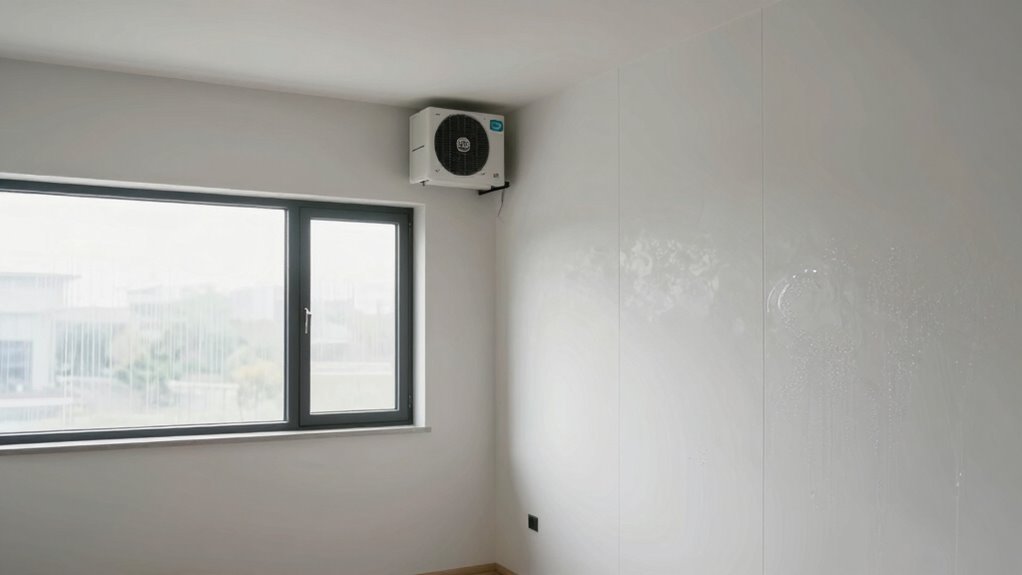
As homes become more energy-efficient and airtight, proper ventilation becomes essential to maintain indoor air quality. Without adequate airflow, pollutants, allergens, and moisture can build up quickly, leading to health issues and structural problems. You might think that sealing your home tightly saves energy, but it also traps indoor contaminants. This is where Heat Recovery Ventilators (HRVs) or Energy Recovery Ventilators (ERVs) come into play, ensuring you don’t sacrifice air quality for energy efficiency.
In tightly sealed homes, traditional ventilation methods like open windows aren’t enough or practical, especially during extreme weather conditions. Without controlled ventilation, indoor air can stagnate, causing increased levels of carbon dioxide, volatile organic compounds (VOCs), and humidity. These pollutants not only affect your comfort but can also lead to respiratory issues, allergies, or mold growth. HRVs and ERVs are designed to exchange stale indoor air with fresh outside air while minimizing energy loss. They recover heat from the outgoing air to warm the incoming air during winter, and some models also transfer humidity, balancing moisture levels inside your home.
Many homeowners overlook just how critical these systems are, assuming that airtight construction alone will keep their homes comfortable and energy-efficient. But the truth is, without proper ventilation, your home’s indoor air quality suffers, and you might end up wasting energy trying to heat or cool contaminated or humid air. HRVs and ERVs help you maintain a healthy indoor environment without significantly increasing your energy bills. They work continuously in the background, providing a steady supply of fresh air, which is vital for your health and comfort. Additionally, understanding air exchange processes highlights the importance of these ventilation systems in maintaining a healthy indoor environment.
You might also be surprised to learn that HRVs and ERVs can improve overall energy efficiency. By recovering heat from exhausted air, they reduce the load on your heating and cooling systems. This means less energy is needed to maintain comfortable indoor temperatures, translating to lower utility bills. Additionally, by controlling humidity levels, these systems help prevent moisture problems that can lead to costly repairs or mold remediation. Their continuous operation ensures your home stays fresh and well-ventilated, even in the coldest or hottest seasons. Moreover, understanding how airtight construction impacts indoor air quality highlights the importance of proper ventilation systems. Proper ventilation not only enhances indoor air quality but also contributes to overall energy savings by reducing the need for heating or cooling excess indoor air. Recognizing the role of energy-efficient building practices underscores why integrating ventilation solutions is essential for modern, airtight homes.
In essence, if your home is built to be airtight and energy-efficient, neglecting proper ventilation can undermine those benefits. HRVs and ERVs are not just optional upgrades but essential systems that safeguard your indoor air quality and maximize your home’s energy efficiency. They make it easier to breathe comfortably indoors, reduce energy costs, and protect your investment in a tight, well-sealed home. You’ll find that installing an HRV or ERV is one of the smartest steps you can take to ensure your home remains a healthy, efficient, and comfortable living space.
As an affiliate, we earn on qualifying purchases.
Frequently Asked Questions
How Do HRVS and ERVS Differ in Performance?
HRVs and ERVs differ mainly in how they handle moisture and energy efficiency. HRVs focus on exchanging stale indoor air with fresh outdoor air, improving energy efficiency and maintaining consistent temperature. ERVs also control moisture transfer, reducing humidity issues. In performance, ERVs often have slightly higher noise levels due to additional components. Both systems enhance indoor air quality, but ERVs excel in humid environments, while HRVs are ideal for colder climates.
What Is the Typical Lifespan of These Ventilation Systems?
You might think HRVs and ERVs last forever, but they typically have a lifespan of 10 to 20 years. Energy efficiency depends on proper maintenance and installation, which can be challenging. Over time, filters and core components wear out, reducing efficiency. Regular upkeep prolongs their life, but if you face installation challenges initially, it could impact your system’s durability and performance. Proper care ensures you get the most out of your ventilation system.
Can HRVS or ERVS Help With Indoor Air Quality Issues?
Yes, HRVs and ERVs improve indoor air quality by reducing indoor pollutant sources and enhancing ventilation efficiency. They continuously exchange stale indoor air with fresh outdoor air, removing dust, allergens, and odors. This helps you breathe cleaner air and reduces health issues caused by poor indoor conditions. Plus, they maintain humidity levels, making your home more comfortable. Regular maintenance guarantees they keep working effectively, providing consistently better air quality.
Are There Any Maintenance Costs Associated With HRVS or ERVS?
Yes, there are maintenance costs associated with HRVs and ERVs. You’ll need to regularly change filters and sometimes clean or replace core components, which can vary in cost. When considering installation, think about the cost comparison and whether your home’s design might require additional adjustments. Proper maintenance keeps these systems running efficiently, helping you save on energy bills long-term and ensuring good indoor air quality.
How Do I Choose the Right System for My Home?
Choosing the right system is vital to open your home’s full energy efficiency potential. You’ll want an HRV or ERV that perfectly fits your home’s size, layout, and ventilation needs. Consider installation considerations like space, ductwork, and compatibility with existing systems. Don’t overlook efficiency ratings—higher ratings mean better air quality and lower energy bills. Consulting a professional guarantees you select a system that maximizes comfort while minimizing long-term costs.
Conclusion
In a tight home, every breath you take is like a whisper in a sealed chamber. Without HRVs or ERVs, you’re trapping stale air and moisture, risking mold and discomfort. Installing these systems is like opening a window to fresh mountain air, even on the coldest day. They keep your indoor environment healthy and breathable, transforming your home into a sanctuary of clean, crisp air. Embrace these systems, and let your home breathe freely, no matter how tight the walls may be.
Fall yard work Picks
leaf blowers
As an affiliate, we earn on qualifying purchases.