To achieve truly clean indoor air, you need a layered approach combining both ventilation and filtration. Proper ventilation exchanges stale air with fresh outdoor air, reducing pollutant buildup, while high-efficiency filters like HEPA trap tiny particles and allergens. This combo continuously refreshes your space and captures contaminants at the source. Maintaining and optimizing these systems guarantees healthier, more comfortable indoor environments. If you want to know how to get the most out of this strategy, keep exploring further.
Key Takeaways
- Combining mechanical ventilation with high-efficiency filters provides a layered defense against indoor pollutants.
- Mechanical systems ensure consistent air exchange, diluting indoor contaminants effectively.
- Proper filtration captures small airborne particles, including allergens and VOCs, enhancing air purity.
- Regular maintenance of ventilation and filters maintains optimal performance and air quality.
- Using both strategies together offers a robust approach to achieving truly clean indoor air.
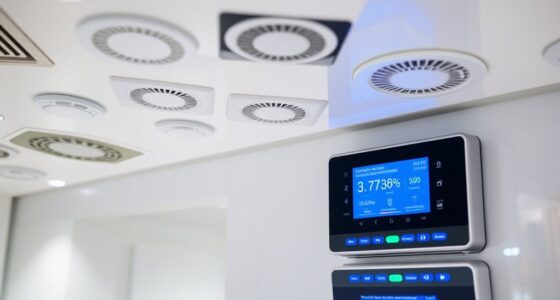
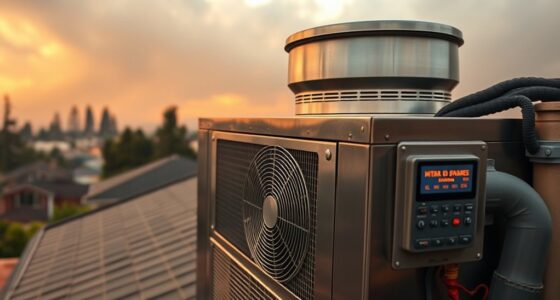
Have you ever wondered how clear the air is inside your home or workplace? It’s a question worth contemplating, especially given how much time you spend indoors. The quality of indoor air depends largely on two key factors: air exchange and filter efficiency. Air exchange refers to how often stale indoor air is replaced with fresh outdoor air. Without proper ventilation, pollutants like dust, allergens, and volatile organic compounds can accumulate, making the environment less healthy. Ensuring a good air exchange rate means you’re continuously diluting indoor contaminants and bringing in cleaner air from outside. But simply opening windows isn’t always enough, especially in areas with high pollution or during extreme weather. That’s where mechanical ventilation systems come into play, providing a controlled and consistent exchange of indoor and outdoor air, which helps maintain healthy air quality levels. Proper ventilation significantly reduces indoor pollutant levels and supports overall air quality.
Filter efficiency is equally critical. Air filters act as the frontline defense, capturing airborne particles before they circulate through your space. The efficiency of these filters depends on their ability to trap particles of different sizes. High-efficiency filters, like HEPA filters, can remove up to 99.97% of particles as small as 0.3 microns—covering common allergens, bacteria, and some viruses. Cheaper filters may not trap smaller pollutants effectively, allowing irritants to slip through and degrade indoor air quality. When choosing filtration systems, it’s essential to match the filter’s efficiency to your environment’s needs. For example, homes with allergy sufferers benefit from higher-grade filters, while less sensitive spaces might do well with standard filters. Combining high filter efficiency with robust air exchange creates a layered approach that greatly improves indoor air quality.
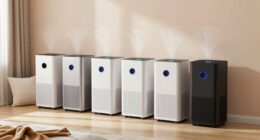
Achieving ideal indoor air quality isn’t just about installing a high-quality filter or relying on natural ventilation alone. It’s about creating a balanced system where air exchange continually refreshes the environment, and filters effectively remove contaminants. Regular maintenance, like changing filters according to manufacturer recommendations, ensures that filter efficiency remains high. Additionally, increasing air exchange when outdoor air quality is good or using air purifiers with advanced filtration can further enhance the environment. When you prioritize these elements, you’re not just reducing indoor pollutants—you’re actively creating a healthier, more comfortable space for yourself and everyone around you. Good ventilation combined with efficient filtration isn’t just a precaution; it’s an essential part of your indoor environment’s health strategy.
Frequently Asked Questions
How Often Should Ventilation Systems Be Serviced for Optimal Performance?
You should service your ventilation system at least twice a year to guarantee peak performance. Regularly check your air filter lifespan and replace filters as needed, typically every 3 to 6 months. Maintaining a consistent ventilation schedule helps prevent buildup of dust and pollutants, ensuring clean air. Don’t forget to inspect ducts and fans during service visits to keep your system running efficiently and maintain healthy indoor air quality.
Which Filtration Technologies Are Most Effective Against Airborne Viruses?
Imagine your air as a battlefield, and HEPA filters act like vigilant guards, capturing 99.97% of airborne viruses. UV sterilization shines like a fierce spotlight, zapping pathogens on contact. Together, these technologies form an unstoppable duo, fiercely fighting airborne viruses. Using HEPA filters and UV sterilization in your ventilation system creates a fortress of clean air, making your space healthier and safer.
Can Ventilation Alone Eliminate Indoor Air Pollutants Completely?
No, ventilation alone can’t eliminate indoor air pollutants completely. While increasing air exchange helps remove many airborne contaminants and improves overall air quality, it won’t capture or filter pollutants like viruses, allergens, or chemical fumes. To achieve truly clean indoor air, you need a layered approach that combines proper ventilation with effective filtration. This strategy guarantees better pollutant removal and a healthier indoor environment for you.
How Do I Determine the Right Filtration Level for My Space?
Did you know that high-efficiency filters can remove up to 99.97% of airborne particles? To determine the right filtration level, compare your space’s air quality standards with filter ratings like MERV or HEPA. Choose a filter with appropriate filtration effectiveness for your needs—higher ratings for better removal, especially in sensitive environments. Assess your indoor air quality regularly to make certain your filtration system keeps pollutants at bay.
What Are the Maintenance Requirements for Advanced Air Filtration Systems?
You need to regularly check your advanced air filtration system’s air filter lifespan and replace filters as recommended, usually every 3-6 months. Keep an eye on system calibration; verify sensors and controls are functioning properly for peak performance. Clean and inspect components periodically, and schedule professional maintenance annually to prevent issues and maintain high air quality. Proper upkeep ensures your system runs efficiently and provides truly clean air.
Conclusion
By combining ventilation and filtration, you create a shield that’s stronger than either alone—like a fortress guarding your air. This layered approach guarantees cleaner, safer air, reducing pollutants and airborne threats. Think of it as a double layer of armor protecting your space. When you prioritize these strategies, you’re not just breathing easier; you’re building a healthier environment where every breath counts. It’s your best defense against invisible dangers lurking in the air around you.