Washable filters can be effective if you clean them regularly and follow proper maintenance routines. Their performance depends on the quality of the materials and your commitment to upkeep, as neglecting cleaning can reduce their ability to trap dust, allergens, and pollutants. While they may not capture the tiniest particles like high-grade disposables, they work well for general air quality if maintained properly. Keep going to discover how to maximize their effectiveness and save money long-term.
Key Takeaways
- Washable filters can be effective if regularly cleaned and maintained properly.
- Material quality and design influence their ability to trap dust and pollutants.
- Proper maintenance prevents clogging and ensures filters perform as intended over time.
- They are cost-effective long-term but require consistent effort for cleaning.
- Less effective at capturing tiny particles compared to high-grade disposable filters like HEPA.
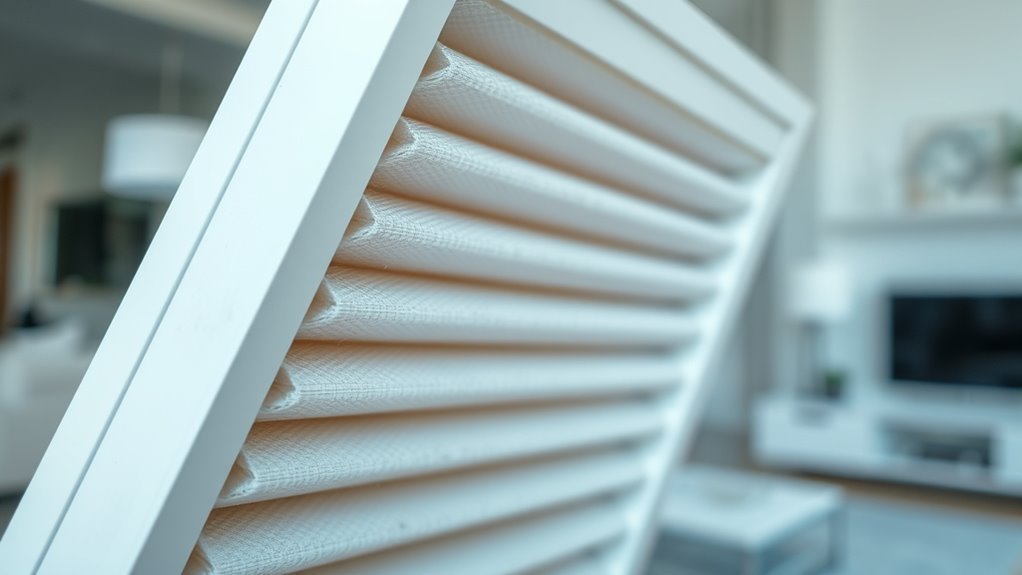
Are washable filters truly effective at improving indoor air quality? If you’ve been considering switching to reusable air filters, it’s a question worth exploring. Washable filters can be appealing because they seem to offer a cost-effective and eco-friendly alternative to disposable ones. However, their effectiveness depends heavily on proper filter maintenance, including regular cleaning and inspection. If you neglect to clean the filter thoroughly and on time, its ability to trap dust, allergens, and pollutants diminishes, undermining the very purpose of having a filter in the first place. Proper filter maintenance is essential to ensure they perform as intended. This means establishing a routine cleaning schedule and using the correct methods to remove debris without damaging the filter material. When done correctly, washable filters can maintain their filtering capabilities over time, but if you’re inconsistent or careless, they can become clogged or less efficient. Additionally, the material and design of washable filters can influence their ability to capture different sizes of particles effectively.
The decision between washable and disposable filters also involves a careful cost comparison. Initially, washable filters tend to have a higher purchase price, which might seem like a downside. But over the long run, they can save you money since you don’t need to replace them every few months like disposable filters. Instead, you only need to pay for cleaning supplies and potentially a new filter after several years of use. Still, it’s important to factor in the time and effort required for filter maintenance. If you’re someone who prefers a set-it-and-forget-it approach, disposable filters might be more convenient, even if they cost more over time. On the other hand, if you’re willing to commit to regular cleaning, washable filters can prove more economical. Additionally, you should consider the environmental impact; reusable filters generate less waste, reducing your ecological footprint.
Despite their advantages, washable filters aren’t always better suited for every situation. They tend to be less effective in capturing the tiniest particles compared to high-quality disposable filters. If you or someone in your home suffers from allergies or respiratory issues, you may find that disposable filters with HEPA ratings provide superior air purification. Still, for general use and those committed to filter maintenance, washable filters can be a practical choice. They can keep your indoor air clean and help you save money over time, provided you stay consistent with cleaning routines. So, while washable filters can be effective, their success hinges on your willingness to maintain them properly and weigh the cost comparison against convenience and health needs. Proper maintenance and filter material are key factors in ensuring their ongoing performance.
Frequently Asked Questions
How Often Should Washable Filters Be Cleaned for Optimal Performance?
You should clean your washable filters every 4 to 6 weeks for ideal performance. Follow a consistent maintenance schedule, especially during high pollen seasons or if you have pets. Regular cleaning prevents dust buildup and maintains air quality. Keep an eye on the filter’s appearance; if it looks dirty sooner, don’t hesitate to clean it more often. Proper cleaning frequency ensures your filter stays effective and prolongs its lifespan.
Do Washable Filters Improve Indoor Air Quality Better Than Disposable Filters?
Yes, washable filters can improve indoor air quality better than disposable filters when you maintain them properly. Regular filter maintenance guarantees they perform at their best, capturing more dust, allergens, and pollutants. By cleaning your reusable filter as recommended, you enhance air purification and breathe cleaner air. Just remember, consistent upkeep is key to maximizing their effectiveness and ensuring your indoor environment stays healthy and fresh.
Are Washable Filters Suitable for Allergy or Asthma Sufferers?
Washable filters can be suitable for allergy or asthma sufferers if you maintain them properly, but they may not always trap the tiniest allergy triggers or airborne irritants. Regular cleaning and high-quality filters help reduce allergy triggers and improve asthma relief. However, some experts recommend disposable HEPA filters for sensitive individuals, as they often capture smaller particles more effectively, providing better air quality and symptom relief.
Can Washable Filters Be Used in All HVAC Systems?
You can generally use washable filters in many HVAC systems, but you should check compatibility considerations first. Some systems require specific filter sizes or types, so verify your unit’s requirements. Consider filter material options too, as certain materials work better with washable designs. Always consult your HVAC manufacturer’s guidelines to guarantee the washable filter you choose will fit properly and function effectively without damaging your system.
What Is the Average Lifespan of a Washable Air Filter?
You can expect a washable air filter to last about 1 to 2 years with proper care. Notably, the lifespan depends heavily on the filter material and how often you perform maintenance. Regular cleaning every 1-3 months helps maintain efficiency, preventing debris buildup. High-quality filter materials, like electrostatically charged fibers, tend to last longer and perform better, making your investment more worthwhile over time.
Conclusion
Think of washable filters like a trusty sponge—you can squeeze out the dirt and reuse them, but over time, they might lose their grip. While they do remove particles effectively at first, their performance can decline with repeated washes. If you want clean air without constantly replacing filters, they’re a good option. Just remember, like a sponge that’s seen better days, they’ll need replacing eventually to keep your air fresh and healthy.