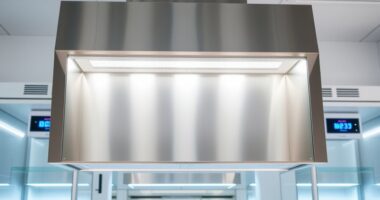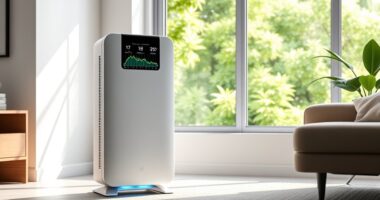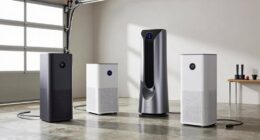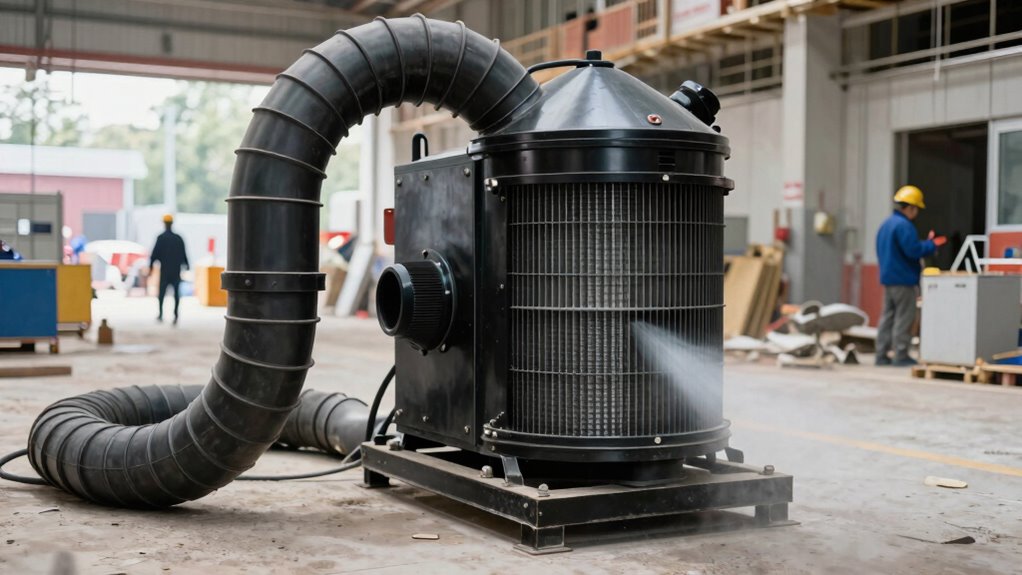

A negative air machine actively improves air quality on your worksite by filtering out airborne contaminants with high-efficiency filters like HEPA. It creates a slight negative pressure inside the work zone, ensuring dust, mold spores, and debris stay contained and don’t escape into other areas. This setup helps keep everyone safer and reduces cleanup efforts. If you want to know more about how these machines keep your project clean and compliant, keep exploring the details.

Get garden gear delivered free — and shop member deals
- Fast, free delivery on millions of items
- Access to Prime Big Deal Days deals on October 6–7
- Prime Video, Amazon Music and more included
Key Takeaways
- Removes airborne contaminants to improve indoor air quality during construction or remediation projects.
- Creates negative pressure to contain dust, mold spores, and debris within a designated work area.
- Prevents dust and particles from escaping into adjacent spaces, ensuring safety and regulatory compliance.
- Uses high-efficiency filters, like HEPA, to capture tiny particles and maintain a cleaner environment.
- Offers portability and flexibility for positioning, allowing continuous air purification across various work zones.
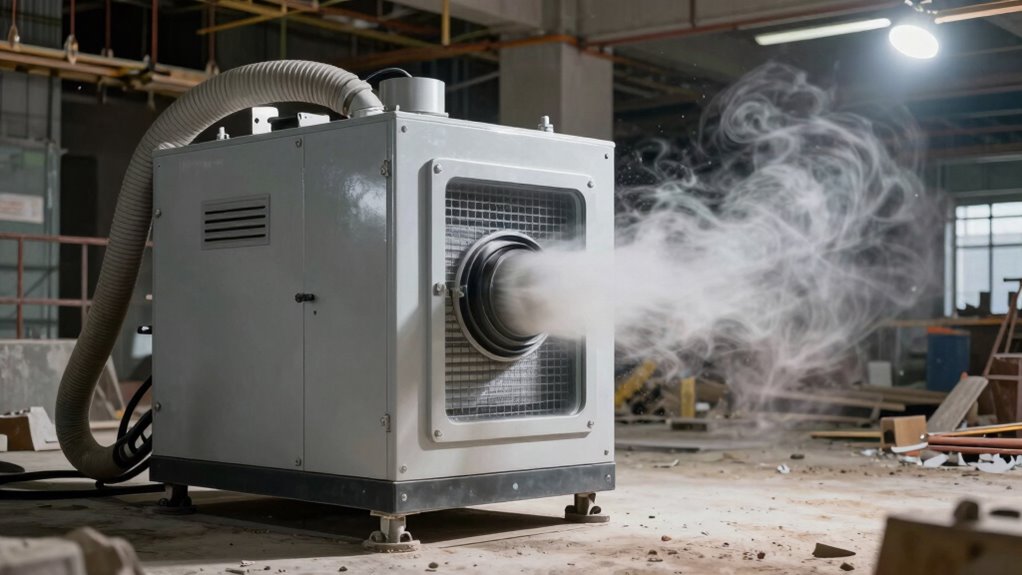
When working on a construction or renovation site, installing a negative air machine can make a notable difference in maintaining a safe and healthy environment. This equipment is designed to improve air quality by actively removing airborne contaminants, which is especially important in dusty or hazardous conditions. You’ll find that a negative air machine works by creating a slight negative pressure inside the work area, meaning air flows into the space but doesn’t escape to other parts of the building. This containment is essential because it keeps dust, mold spores, and other airborne debris from spreading beyond your work zone, protecting workers and occupants alike.
The core function of a negative air machine centers around air filtration. It pulls contaminated air from the work environment through high-efficiency filters, often HEPA filters, which are capable of capturing tiny particles down to 0.3 microns. As the air passes through these filters, it’s purified and then expelled back into the space or vented outside, depending on your setup. This continuous process ensures that the air within the worksite remains as clean as possible, reducing the inhalation of harmful dust and particles. The effectiveness of air filtration in these machines makes them an indispensable tool in managing air quality during demolition, asbestos removal, mold remediation, or any activity that produces considerable dust.
Dust containment is another critical aspect of what a negative air machine does. By maintaining negative pressure, it prevents dust from escaping into adjacent areas, which is essential for health and safety regulations. When you operate a negative air machine properly, you create a barrier that keeps airborne debris confined within the work zone. This not only minimizes the cleanup effort but also reduces exposure risks for other workers and building occupants. Proper dust containment also means less disruption and fewer delays caused by dust migration, helping your project stay on schedule. Proper dust control measures are vital to ensure compliance and protect everyone involved. Additionally, understanding the importance of contaminant removal can help optimize the effectiveness of your air quality management plan.
In addition, these machines are portable and adjustable, allowing you to position them where they’re needed most. Whether you’re working in tight spaces or large open areas, a negative air machine can be set up quickly and operated continuously. This flexibility ensures consistent air quality control throughout the project. Overall, by combining effective air filtration with robust dust containment, a negative air machine greatly enhances safety, health, and compliance on your worksite, making it an essential part of your construction or renovation toolkit. Proper use of air filtration technology further maximizes the benefits of these machines.
As an affiliate, we earn on qualifying purchases.
Frequently Asked Questions
How Loud Is a Negative Air Machine During Operation?
A negative air machine typically produces noise levels between 60 to 80 decibels during operation, which can be quite loud but manageable with proper sound mitigation. You might notice the noise more in quiet environments, so wearing hearing protection is recommended. To keep disruption minimal, consider using barriers or soundproof enclosures around the machine. This helps protect workers and nearby areas from excessive noise while maintaining effective air filtration.
Can a Negative Air Machine Remove All Types of Airborne Contaminants?
You might think a negative air machine can remove all airborne contaminants, but it primarily targets airborne pathogens and dust suppression, not every pollutant. It filters out particles and microbes, improving air quality, but hazardous gases or vapors need specialized filtration. So, while it greatly reduces airborne threats, it doesn’t eliminate all types of airborne contaminants. Proper equipment and strategies are essential for thorough contamination control.
What Is the Typical Lifespan of a Negative Air Machine?
A negative air machine typically lasts between 3 to 5 years, depending on its maintenance schedule and usage. Regularly cleaning filters and inspecting components can extend its lifespan. Keep in mind, a well-maintained machine consumes less energy, improving efficiency and reducing costs. Neglecting maintenance may lead to breakdowns sooner, so stay proactive with your upkeep to guarantee peak performance and longevity on your worksite.
Are Negative Air Machines Suitable for Outdoor Work Sites?
Yes, negative air machines can be suitable for outdoor work sites, but you need to take into account outdoor ventilation and weather conditions. They work well in controlled environments, but rain, wind, or extreme temperatures can affect their performance. To guarantee effective air filtration and containment, you should shield the equipment from the elements and monitor weather forecasts. Proper setup and weather considerations help maximize safety and efficiency during outdoor remediation projects.
How Often Should Filters Be Replaced on a Negative Air Machine?
You might think filters last forever, but for your negative air machine, regular filter maintenance is key. Replace filters every 6 to 12 months, or sooner if you notice decreased airflow or increased noise. This keeps your equipment durable, efficient, and prevents costly repairs. Skipping filter changes not only hampers performance but also shortens your machine’s lifespan—proof that even in construction, attention to detail pays off.
Conclusion
In the end, a negative air machine quietly works behind the scenes, creating a gentle breeze that keeps your work environment safer and more comfortable. It’s like an unseen guardian, subtly guiding airborne particles away and helping you breathe easier. While it may not grab the spotlight, its calming presence guarantees your project stays on track without a hitch. Trust in this silent helper—it’s your best ally for a smoother, healthier workday.
Fall Picks
fall essentials
As an affiliate, we earn on qualifying purchases.