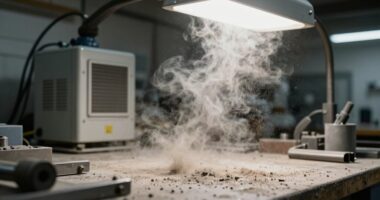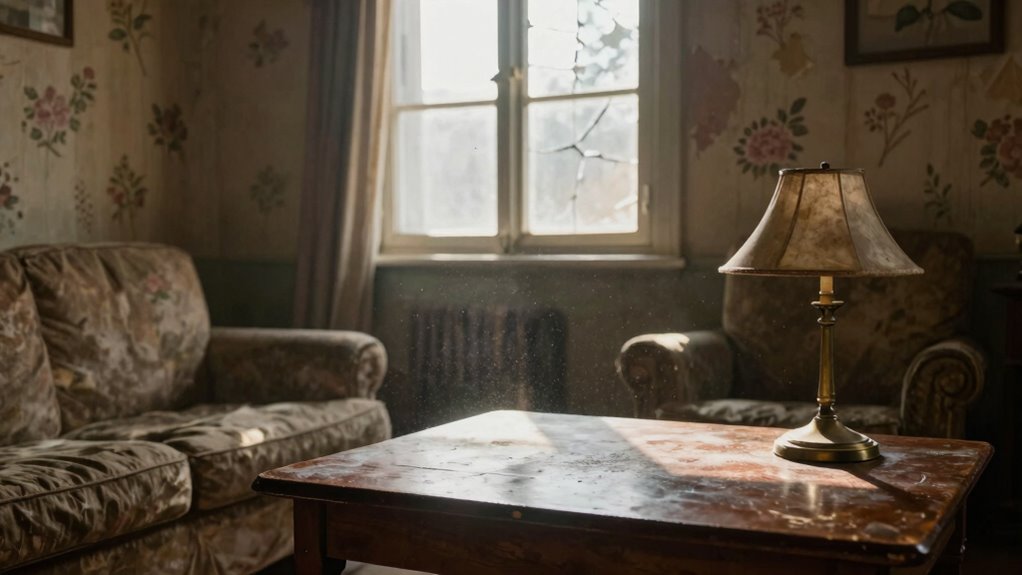
Older homes feel dustier even after cleaning because their porous materials and outdated systems trap and circulate dust continuously. Gaps in insulation allow dust, pollen, and airborne particles to flow through your home, while old HVAC systems lack filters that could catch dust before it spreads. Ductwork can also harbor dust, blowing it back into your space when the system runs. To truly improve, you’ll want to understand how these factors impact indoor air quality.

Get garden gear delivered free with Prime
- Fast, free delivery on millions of items
- Prime Video, Amazon Music and more included
- Member-only deals all year
Key Takeaways
- Porous surfaces in older homes trap dust particles that are difficult to fully remove through cleaning.
- Deteriorated insulation allows dust and airborne particles to circulate freely indoors.
- Older HVAC systems often lack effective filters, spreading dust continuously.
- Dust buildup in ductwork is blown back into living spaces during system operation.
- Gaps and cracks in the structure enable ongoing dust movement and recontamination.
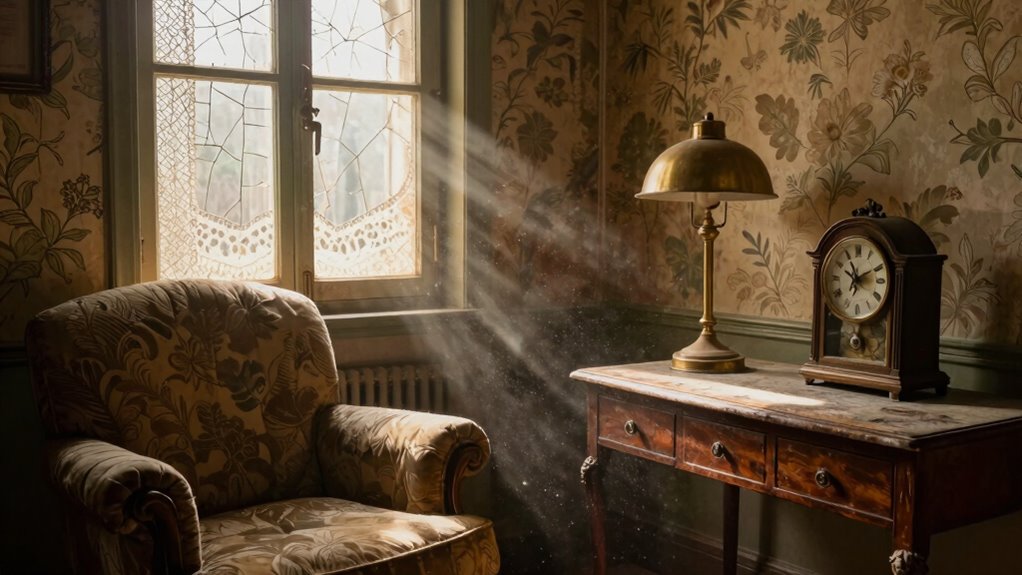
Older homes often feel dustier even after cleaning because their materials and construction methods can trap dust more effectively than newer houses. These homes often have porous surfaces, older flooring, and vintage fixtures that retain dust particles, making it hard to achieve a truly clean feel. Plus, the building design itself can contribute to dust buildup, with less airtight construction allowing dust to circulate more freely throughout the space. Even thorough cleaning might only remove surface dust, leaving behind microscopic particles embedded within walls, floors, and furniture. Additionally, the presence of poor insulation** can exacerbate dust circulation by allowing more airborne particles to move throughout the home. One major factor that influences dust retention is the quality of insulation. Older homes frequently have insulation that has deteriorated over time or was installed with less attention to airtightness. Poor insulation not only affects energy efficiency but also allows dust, pollen, and other airborne particles to flow freely through gaps and cracks. When you run your HVAC system, these particles get circulated more often, increasing dust levels even after cleaning. Better insulation can help reduce this circulation by sealing gaps and preventing dust from constantly re-entering the living space. Furthermore, air quality can be compromised in these environments, making it harder to maintain a dust-free home. Improving ventilation systems can also help mitigate dust accumulation by promoting better air exchange and reducing stagnant air pockets. Regular maintenance of air filters is essential to ensure dust and pollutants are effectively captured and removed from the indoor environment**.
Older homes trap dust more effectively due to porous surfaces and less airtight construction, making deep cleaning challenging.
Speaking of HVAC systems, they play an essential role in how dusty your home feels. Many older homes have aging or outdated HVAC units that don’t include modern filtration systems. These systems can spread dust more efficiently if they lack high-quality filters, which are essential for trapping airborne particles. Without proper filtration, dust from previous cleaning, pet dander, or outdoor sources keeps circulating, making your home feel dusty despite your efforts. Regularly replacing filters with high-efficiency particulate air (HEPA) filters can greatly improve indoor air quality and reduce the dust you see and feel. Furthermore, air circulation within older homes can intensify dust issues, especially when ventilation is inadequate. The accumulation of dust in ductwork over time can further exacerbate this problem, as it becomes a hidden source of ongoing dust redistribution each time the system operates.
Additionally, the ductwork in older homes may be a source of dust accumulation. Over time, ducts can collect dust and debris that gets blown back into living areas each time the system runs. Without proper maintenance, this buildup remains hidden but continues to circulate dust throughout your home. Upgrading or professionally cleaning your ductwork can help minimize this issue, making your cleaning efforts more effective. In essence, the combination of older materials, subpar insulation, and outdated HVAC systems creates an environment where dust is more likely to settle and circulate. Even if you sweep, vacuum, and dust regularly, these underlying factors can keep your home feeling dusty. Addressing insulation quality and upgrading your HVAC filters and ductwork can make a noticeable difference, helping your home feel cleaner and healthier over time.
HEPA air purifier for dust removal
As an affiliate, we earn on qualifying purchases.
As an affiliate, we earn on qualifying purchases.
Frequently Asked Questions
How Often Should I Deep Clean an Older Home’s Dust-Prone Areas?
You should deep clean dust-prone areas in your older home every three to six months. Regularly washing bedding and vacuuming with a HEPA filter helps reduce dust mites and airborne allergens. Improve air filtration by replacing filters frequently and using air purifiers. This routine minimizes dust buildup, making your home feel cleaner and healthier. Consistent deep cleaning guarantees dust mites don’t thrive, keeping the environment fresher and more comfortable.
Can the Type of Flooring Affect Dust Accumulation in Old Homes?
Flooring materials considerably impact dust retention in old homes. You might notice that carpeted floors trap more dust, making spaces feel dustier even after cleaning. Hard surfaces like wood or tile tend to hold less dust, but if not properly sealed or maintained, they can still accumulate particles over time. So, your choice of flooring directly influences how much dust builds up and how often you need to clean to keep your home fresh.
Are There Specific Cleaning Products Recommended for Older Homes?
For older homes, you should use eco-friendly cleaners that are gentle yet effective. These cleaners help preserve antique furniture and prevent damage from harsh chemicals. Look for natural ingredients like vinegar, baking soda, or plant-based solutions. Regularly dust and vacuum, focusing on hidden spots. Avoid over-wetting surfaces, especially wood, to keep dust at bay and maintain the charm of your vintage decor.
How Do Ventilation Systems Influence Dust Levels in Older Houses?
Ventilation systems in older homes are like open windows to dust, directly impacting air quality. If your system isn’t well-maintained, it circulates dust and allergens, making your home feel dustier even after cleaning. Properly functioning ventilation helps remove stale air and reduces dust buildup. Regularly replacing filters and ensuring good airflow keeps dust levels down, creating a healthier, fresher environment in your older house.
What Are the Best Ways to Prevent Dust Buildup Long-Term?
To prevent dust buildup long-term, you should prioritize good air filtration and guarantee proper air circulation. Use high-quality filters in your HVAC system, and change them regularly. Keep vents and ducts clean to improve airflow. Additionally, open windows when weather permits to promote fresh air circulation, which helps disperse dust particles. Regular vacuuming with a HEPA filter and dusting surfaces also keeps dust at bay, maintaining a cleaner, healthier home.
Conclusion
So, even after you give your old home a good scrub, it might still carry a whisper of its history. Think of it as a quiet reminder that some stories linger in the air, woven into the very fabric of your space. With gentle care and ongoing attention, you can help ease those subtle echoes. Embrace the charm, and remember — a little patience can turn that dust into a distant memory, revealing the true warmth of your home.
Fall yard work Picks
leaf blowers
As an affiliate, we earn on qualifying purchases.