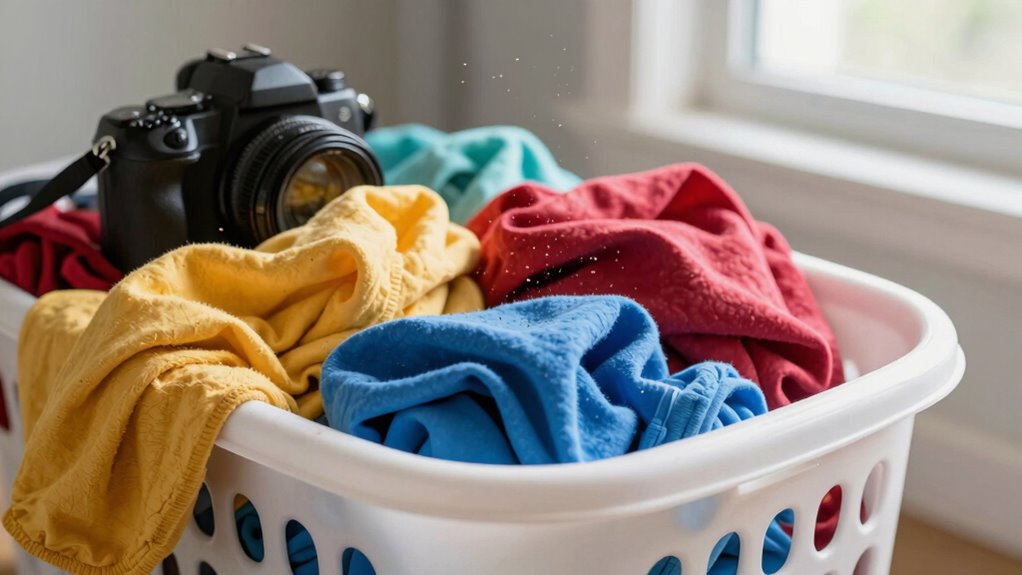

Did you know that your laundry routine can both trap and remove indoor allergens like dust mites, pet dander, and mold spores? Washing with hot water, using allergen-specific detergents, and running extra rinse cycles help break down and wash away these particles. Regularly cleaning your dryer and maintaining a dry, mold-free laundry space also prevents allergens from lingering. Small adjustments can considerably improve your home’s air quality—keep going to discover more simple tips for a healthier environment.

Get garden gear delivered free with Prime
- Fast, free delivery on millions of items
- Prime Video, Amazon Music and more included
- Member-only deals all year
Key Takeaways
- Laundry can trap and spread indoor allergens like dust mites and pet dander if not washed properly.
- Using hot water, allergen-specific additives, and extra rinses improves allergen removal from clothes.
- Regular dryer maintenance, including cleaning filters and vents, prevents allergen buildup and recontamination.
- Proper laundry area upkeep, such as cleaning and ventilation, reduces mold and dust allergens indoors.
- Consistent washing of bedding and curtains helps lower indoor allergen levels, improving overall air quality.
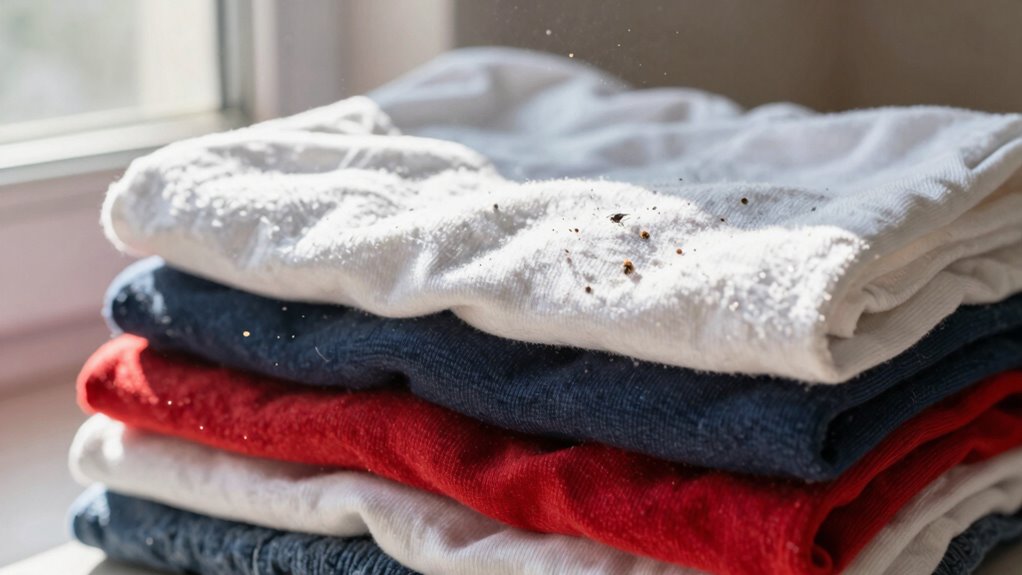
Indoor allergens can cling to your laundry, making it a hidden source of irritation in your home. Even after washing, allergens like dust mites, pet dander, and mold spores can remain trapped in your clothes and bedding if you don’t pay close attention to your washing techniques. To effectively reduce these allergens, it’s vital to understand how your washing routines impact their removal. Use hot water when washing items that can tolerate it, as higher temperatures help break down allergens more efficiently. Additionally, consider adding allergen-specific laundry additives or hypoallergenic detergents to guarantee you’re targeting these tiny invaders. Avoid overloading your washing machine, as this can prevent thorough rinsing and leave behind residues that may harbor allergens. Rinse cycles matter too; running an extra rinse can help wash away any remaining particles and improve overall cleanliness.
Once your laundry is washed, the drying process becomes just as important as washing itself. Proper dryer maintenance plays an important role in minimizing allergen presence. Regularly cleaning the lint filter prevents buildup, which can harbor dust mites and mold. If you notice mold or a musty smell, it’s time to clean the dryer drum and check for any mold growth inside the vent system. An unclean dryer can reintroduce allergens onto your clothing or bedding during the drying cycle. When drying, use the highest safe heat setting, especially for bedding and towels, as the heat helps kill lingering allergens and mold spores. If your dryer has a moisture sensor, ensure it’s functioning correctly to avoid under-drying, which could leave moisture that fosters mold growth. Additionally, proper dryer maintenance can significantly reduce allergen buildup inside the appliance. Regularly running dryer cleaning cycles with a cleaner or natural remedies like vinegar and baking soda can further eliminate residual allergens and debris. Incorporating dryer vent cleaning into your routine can also prevent mold and dust accumulation that may reintroduce allergens into your laundry. Maintaining a clean and dry laundry area is also crucial, as stagnant moisture can promote mold growth and dust accumulation. Implementing air purifiers in the laundry space can further help remove airborne allergens before they settle on your clothes.
In addition to washing techniques and dryer maintenance, it’s wise to take steps to prevent allergens from settling onto your laundry in the first place. Keep your laundry area clean and dry, and store bedding and clothes in sealed containers or bags to prevent dust accumulation. Regularly wash your bedding, pillowcases, and curtains to reduce allergen buildup. Proper ventilation in the laundry space can also help reduce indoor humidity levels, discouraging mold growth and dust mites. By paying close attention to your washing techniques and maintaining your dryer, you considerably decrease the chances of indoor allergens hitching a ride on your clothing. This proactive approach not only improves your home’s air quality but also makes your living space more comfortable and allergy-friendly. Remember, small adjustments in your laundry routine can lead to a healthier, allergen-free environment.
allergen-specific laundry detergent
As an affiliate, we earn on qualifying purchases.
As an affiliate, we earn on qualifying purchases.
Frequently Asked Questions
Can Using Fabric Softeners Increase Indoor Allergen Levels?
Yes, using fabric softeners can increase indoor allergen levels. They leave chemical residues and fabric residue on your clothes, which can trigger allergies or respiratory issues. These residues can trap dust, pollen, and pet dander, making allergens more persistent in your environment. To reduce this, consider skipping fabric softeners or choosing hypoallergenic options, and always rinse your laundry thoroughly to minimize chemical buildup and allergen retention.
How Often Should I Wash Bedding to Reduce Allergens?
You should wash your bedding weekly to reduce allergen buildup, as dust mites and pet dander thrive there. Studies show bedding materials can harbor over 10 million allergens per square meter. Regular washing helps eliminate these irritants, improving air quality and reducing allergy symptoms. Use hot water and a hypoallergenic detergent, and consider replacing old bedding materials periodically to keep allergens at bay.
Do Dryer Sheets Attract or Repel Indoor Allergens?
Dryer sheets tend to attract indoor allergens because of their chemical residues, which can cling to fabrics and trap dust, pollen, or pet dander. The scent effects may initially seem pleasant but can actually worsen allergy symptoms for sensitive individuals. Instead, consider using fragrance-free, allergen-repelling dryer balls or skipping dryer sheets altogether to reduce chemical buildup and help keep your indoor environment cleaner and healthier.
What’s the Best Temperature for Washing Allergen-Prone Fabrics?
You should wash allergen-prone fabrics at 130°F (54°C) for effective allergen removal. Imagine a family with allergy sufferers washing bedding; they find that higher fabric temperature effectively reduces dust mites and pet dander. Hot water penetrates fibers better, loosening and eliminating allergens. Just make certain your fabrics can handle this temperature to avoid damage. Using the correct fabric temperature is key to minimizing indoor allergens and improving your home’s air quality.
Are Air-Dried Clothes Safer for Allergy Sufferers Than Machine-Dried?
Air-dried clothes are generally safer for allergy sufferers because fresh air helps remove remaining dust mites, pollen, and other allergens from fabrics. When you hang clothes outside, the natural breeze and sunlight aid in fabric cleanliness, reducing allergen buildup. Unlike machine drying, which can sometimes trap allergens in fibers, air drying guarantees your clothes are thoroughly aired out, making them a healthier choice for sensitive individuals.
Conclusion
You might think laundry is just about clean clothes, but it could also be hiding indoor allergens. Some experts suggest that improper washing or using certain detergents might leave residues, fueling allergy symptoms. While more research is needed, it’s worth reconsidering your laundry routine—think about washing bedding regularly and using allergen-reducing products. Could your laundry habits be influencing your indoor air quality? It’s a surprising link worth exploring to breathe easier at home.
Fall yard work Picks
leaf blowers
As an affiliate, we earn on qualifying purchases.