TL;DR

Get garden gear delivered free with Prime
- Fast, free delivery on millions of items
- Prime Video, Amazon Music and more included
- Member-only deals all year
A Homes & Gardens gardening report advises waiting until after the first light frost—and until foliage has changed color or died back—before lifting cannas and dahlias for winter storage. Gardeners in colder areas should still dig them up before a hard frost or frozen ground, then store healthy, dry rhizomes and tubers in a cool, dark, frost-free place.
A Homes & Gardens gardening report recommends waiting until after the first light frost to lift cannas and dahlias for winter storage, rather than digging them up early. The timing gives the plants a cold-weather signal to enter dormancy, but gardeners in colder areas should lift them before a hard frost or frozen ground damages their underground rhizomes and tubers.
The report says cannas and dahlias are tender perennials whose rhizomes and tubers can be damaged if they freeze. It advises waiting for foliage to change color or die back, a sign that the plant has transferred energy to the underground structures. A first light frost can prompt that seasonal shift; it is not a reason to leave the plants outside through a severe freeze.
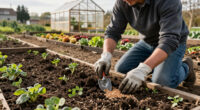
Once the foliage has died back, cut stems to about 6 inches above soil level. Dig around the plant roughly 12 to 16 inches from the stems to reduce the chance of cutting into spreading rhizomes or tubers, then lift the plant carefully. Brush off clinging soil and inspect the material: healthy parts should feel firm, while soft or squishy areas indicate possible rot and should be removed with a clean, sanitized knife.
Before storage, allow the rhizomes or tubers to dry for about a week out of direct sunlight. The report recommends a cool, dry, dark, frost-free storage area, ideally around 45°F to 55°F. They can be placed in ventilated boxes with dry soil, sawdust or vermiculite, or wrapped individually. Avoid airtight containers and sealed plastic bags, which can trap moisture. Check stored plants every few weeks for mold or decay.
Timing Protects Next Year’s Blooms
For gardeners who want to grow these plants again, the timing balances two risks: lifting too early, before the plants have gone dormant, and waiting so long that freezing temperatures damage the rhizomes or tubers. The report’s advice makes the first light frost a seasonal cue, not a fixed calendar date; local forecasts and the condition of the foliage still matter.
Storage conditions also affect whether the plants remain usable until spring. Drying them and keeping them cool but above freezing can help limit decay, while periodic checks provide an opportunity to find mold or soft spots before they spread. The guidance is relevant to households with garden beds as well as pots, though the winterizing steps differ.
As an affiliate, we earn on qualifying purchases.
Which Plants Need Earlier Protection
The report distinguishes cannas and dahlias from other tender plants. It says tuberous begonias and evergreen agapanthus may need to be lifted or brought under cover before temperatures fall. Salvias, pelargoniums and citrus plants are also described as plants that may need indoor or greenhouse protection ahead of colder weather. That earlier timing should not automatically be applied to cannas and dahlias.
Whether cannas and dahlias need to be dug up depends partly on local conditions. According to the report, gardeners in USDA hardiness zones 7 or 8 and above may be able to leave them in the ground under mulch, provided the soil is not overly wet. In colder locations, it recommends lifting and storing them in a cool, frost-free place. Plants in pots can instead be cut back after their foliage dies and moved to a cool, frost-free garage or unheated greenhouse; containers may need insulation if the storage area could approach freezing.
““Cannas and dahlia plants should stay outside until the first light frost has passed.””
— Homes & Gardens report
Local Frost Dates Remain Key
The report does not give a single date for lifting, because first-frost timing varies by location. It also does not specify a universal threshold for when a forecast should count as a hard frost; gardeners need to use local forecasts and assess their own site. The report’s zone guidance is general, and soil wetness and local winter conditions can affect whether plants can remain in the ground.
The source material also does not provide trial data comparing storage methods or quantify how much each method changes survival rates. Its directions are horticultural guidance, not a guarantee that every stored rhizome or tuber will remain viable. Any mold treatment mentioned in the original report is incomplete in the supplied text, so no further treatment instructions can be confirmed here.
Watch Forecasts and Check Storage
As autumn temperatures fall, gardeners can monitor local forecasts and wait for a light frost and foliage dieback, while planning to lift cannas and dahlias before a harder freeze. After lifting, they can dry and inspect the rhizomes or tubers, pack them in a ventilated container with a dry medium, and label the container if they are storing different varieties.
During winter, the report recommends checking stored plants every few weeks for mold and decay. Gardeners keeping potted plants should confirm the storage spot remains frost-free and insulate containers if needed. The next relevant milestone is local weather: the appropriate lifting window depends on the first light frost, plant condition and the arrival of harder freezes.
Key Questions
Should I lift cannas and dahlias before the first frost?
The Homes & Gardens report advises waiting until after a first light frost and until foliage changes color or dies back. Lift them before a hard frost or the ground freezes.
Can cannas and dahlias stay in the ground over winter?
The report says gardeners in USDA zones 7 or 8 and above may be able to leave them in the ground under mulch if the soil is not overly wet. In colder areas, it recommends lifting and storing them frost-free.
How should I store lifted rhizomes and tubers?
Let them dry for about a week out of direct sunlight, then keep them in a cool, dark, dry place around 45°F to 55°F. Use a ventilated box with dry soil, sawdust or vermiculite, and avoid airtight containers.
Do potted cannas and dahlias need to be dug up?
Not necessarily. The report says pots can be cut back after the foliage dies and moved to a cool, frost-free place, such as an unheated greenhouse or garage. Insulate the pots if the storage area may fall below freezing.
Source: rss
Fall Picks
fall essentials
As an affiliate, we earn on qualifying purchases.