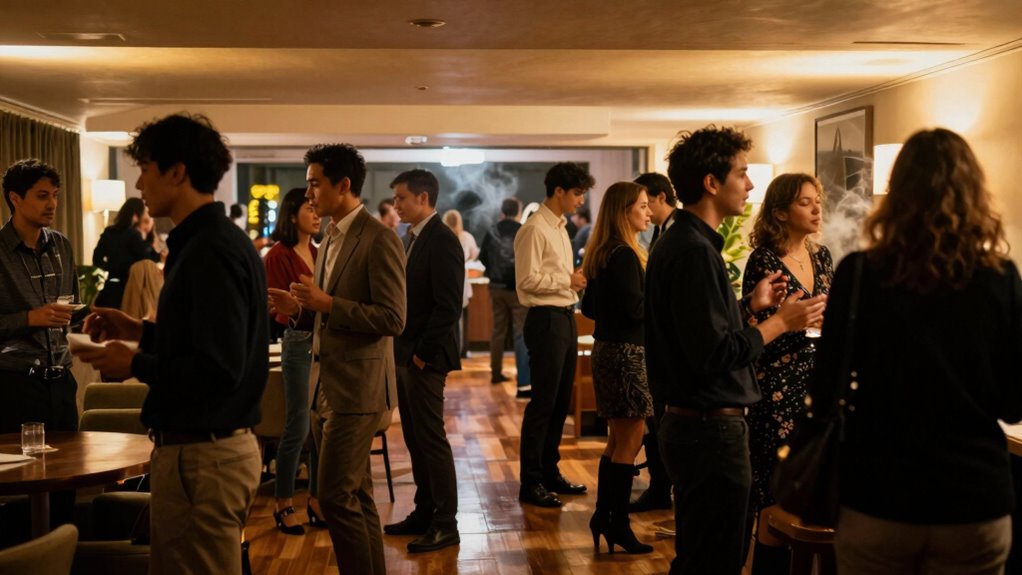
When guests gather, your indoor air quality drops as more people release carbon dioxide, humidity, and pollutants like cooking fumes and pet dander. This buildup can make the space feel stuffy and uncomfortable, especially if your ventilation isn’t strong enough. Overcrowding and poor airflow allow odors and airborne particles to linger, leading to headaches or respiratory irritation. Keeping air fresh needs careful management—stick around to discover effective strategies for maintaining a healthy, welcoming environment during your gatherings.
Key Takeaways
- Increased guest traffic elevates CO2 levels, humidity, and airborne pollutants, making indoor air feel stuffy and uncomfortable.
- High activity levels lead to the accumulation of cooking fumes, pet dander, and cleaning chemicals in the air.
- More guests require enhanced ventilation to dilute pollutants and maintain healthy indoor air quality.
- Overcrowding can overwhelm existing ventilation systems, causing pollutants and odors to linger.
- Managing guest flow and using effective ventilation strategies helps prevent indoor air quality deterioration during gatherings.

When hosting a gathering, the influx of guests can considerably impact indoor air quality, especially if ventilation isn’t properly managed. As more people enter your space, the air becomes saturated with carbon dioxide, humidity, and sometimes airborne pollutants like cooking fumes, pet dander, or cleaning chemicals. These changes can make the environment feel stuffy or uncomfortable, and over time, they might even lead to health issues such as headaches or respiratory irritation. That’s why understanding how guest traffic influences indoor air is crucial for creating a safe and pleasant environment.
The key factor here is your ventilation systems. Proper ventilation helps dilute and remove indoor pollutants, ensuring fresh air circulates throughout the space. When your guests arrive, their breathing, movement, and activities increase the demand for effective air exchange. If your ventilation systems are outdated or underpowered, the indoor air quality can decline rapidly. This is especially true in enclosed spaces where natural airflow is limited. You might notice a rise in odors from food, drinks, or body heat, which can linger and make the environment less inviting. Without adequate ventilation, these odors and pollutants can accumulate, making your gathering less enjoyable.
Effective ventilation is essential to prevent odors and pollutants from building up during gatherings.
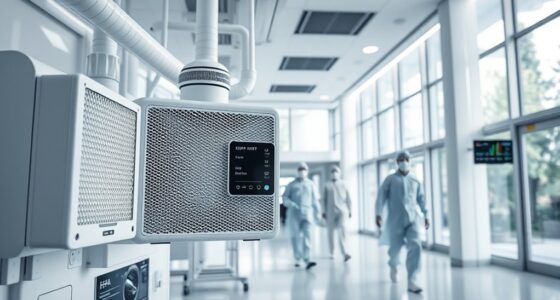
During busy events, you need to pay close attention to airflow. Opening windows and doors can be an immediate solution to boost natural ventilation, but this isn’t always feasible, especially in colder or rainy weather. In these cases, relying on your HVAC or ventilation systems becomes essential. Modern systems with good air exchange rates can help maintain indoor air quality by filtering out airborne particles and introducing fresh air from outside. Regularly servicing these systems ensures they operate at peak efficiency, especially when guest traffic is high. Also, consider using exhaust fans in kitchens and bathrooms to remove excess humidity and odors that naturally increase with more guests. Additionally, understanding indoor air quality and its factors can help you better manage your space during gatherings, especially when considering air filtration to improve overall air conditions. Incorporating advanced ventilation technology can further optimize airflow and maintain healthier indoor environments during large gatherings. Maintaining proper air exchange rates is essential to prevent the buildup of pollutants and keep the air fresh. Furthermore, being mindful of air quality standards can guide you in choosing the right solutions to ensure safe and healthy indoor air during busy times.
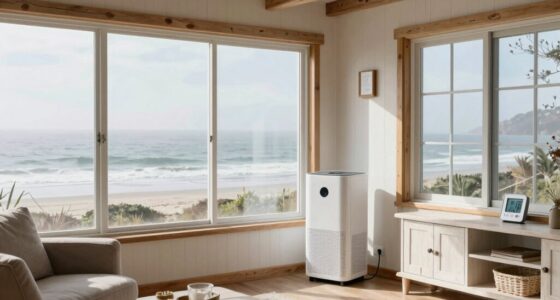
The more guests you have, the more critical it becomes to think about air quality management. You might want to limit the number of people in a space or stagger arrivals and departures to prevent overcrowding. Using portable air purifiers can also help improve air quality, particularly if your existing ventilation isn’t sufficient. Ultimately, the goal is to strike a balance: keep the air fresh and clean without creating drafts or excessive noise. By proactively managing your ventilation systems and paying attention to guest traffic patterns, you can ensure your indoor environment remains comfortable, healthy, and welcoming for everyone.

Purivortex Air Purifiers for Bedroom, Covers Up to 880 Sq Ft, PX500 Black
- Covers Large Areas: Covers up to 880 sq ft
- Fast Air Purification: Purifies a 215 sq ft room in 15 min
- High-Efficiency Filtration: Filters 99.97% of pollutants
As an affiliate, we earn on qualifying purchases.
As an affiliate, we earn on qualifying purchases.
Frequently Asked Questions
How Does Guest Traffic Affect Indoor Humidity Levels During Gatherings?
Guest traffic increases guest density, which leads to higher humidity fluctuations indoors. As more people gather, they bring moisture through breathing, sweating, and activities like cooking or cleaning. This added humidity can cause discomfort and affect indoor air quality. To manage this, you should monitor humidity levels and use dehumidifiers or ventilation to keep indoor conditions comfortable and balanced despite fluctuating guest density.
What Are the Best Air Purification Methods for High-Traffic Indoor Events?
You should choose effective air purifier options like HEPA filters or portable units with activated carbon. These help remove airborne particles and odors caused by guest traffic. Also, implement ventilation strategies such as opening windows, using exhaust fans, or increasing HVAC airflow to improve indoor air quality. Combining air purifiers with proper ventilation reduces contaminants, keeps the air fresh, and guarantees a healthier environment during high-traffic indoor events.
How Quickly Does Indoor Air Quality Deteriorate With Increased Guest Presence?
Imagine a balloon filling with air—soon, it’s tight and uncomfortable. Similarly, indoor air quality can decline within minutes of increased guest traffic. As more people enter, CO2 levels and pollutants rise rapidly. Effective air filtration and ventilation strategies act like a valve, releasing stale air and bringing in fresh air. Without these, air quality can deteriorate in as little as 30 minutes, making it essential to manage airflow during gatherings.
Are Certain Types of Gatherings More Harmful to Indoor Air Quality Than Others?
Certain gatherings are more harmful to indoor air quality due to guest behavior and air circulation. Events with many guests, especially those involving smoking, cooking, or heavy talking, release more pollutants and moisture into the air. Poor air circulation worsens this effect, trapping contaminants indoors. To protect indoor air quality, encourage guests to ventilate the space, minimize pollutant sources, and improve airflow with fans or HVAC systems during gatherings.
Can Indoor Plants Improve Air Quality During Large Gatherings?
Like ancient forests cleansing the air, indoor plants act as natural purifiers, improving air quality during gatherings. Plant filtration helps remove toxins and increase oxygen, creating a fresher environment. While they can’t completely eliminate pollutants, they support healthier indoor air. You can enhance this effect by choosing plants known for their air-purifying qualities, like peace lilies or snake plants, turning your space into a calming, cleaner oasis amid the hustle.
Conclusion
Every gathering transforms your indoor air more dramatically than a whirlwind! As guests flow in and out, they bring in dust, allergens, and moisture, turning your space into a lively, ever-changing environment. Staying vigilant with ventilation and air purification is essential to keep the air fresh and healthy. Remember, a single gathering can fill your home with more airborne particles than a storm of a thousand tornadoes—so breathe easy, and manage that guest traffic wisely!