

As you start your workday, fresh air enters and sets a good airflow pattern, helping you stay alert. Throughout the day, body heat and activity create localized currents, while poor ventilation can cause stagnant air and reduce quality. You’ll notice scent unevenness and potential buildup of indoor pollutants. By actively managing ventilation and repositioning furniture, you can keep air fresh and circulation balanced. Keep exploring to discover more ways to optimize your home office airflow.
Open a free Amazon Business account
Business pricing, bulk buying and tax-exempt orders.
As an affiliate, we earn on qualifying purchases.
Key Takeaways
- Morning ventilation introduces fresh air, setting the foundation for circulation throughout the workday.
- Body heat and movement create localized air currents that influence scent and pollutant distribution.
- Without active ventilation, indoor air can become stagnant, affecting concentration and comfort.
- Mid-morning, air patterns become dynamic, requiring adjustments to maintain freshness and air quality.
- Evening stabilization leads to reduced airflow, necessitating proactive measures to prevent stagnation.
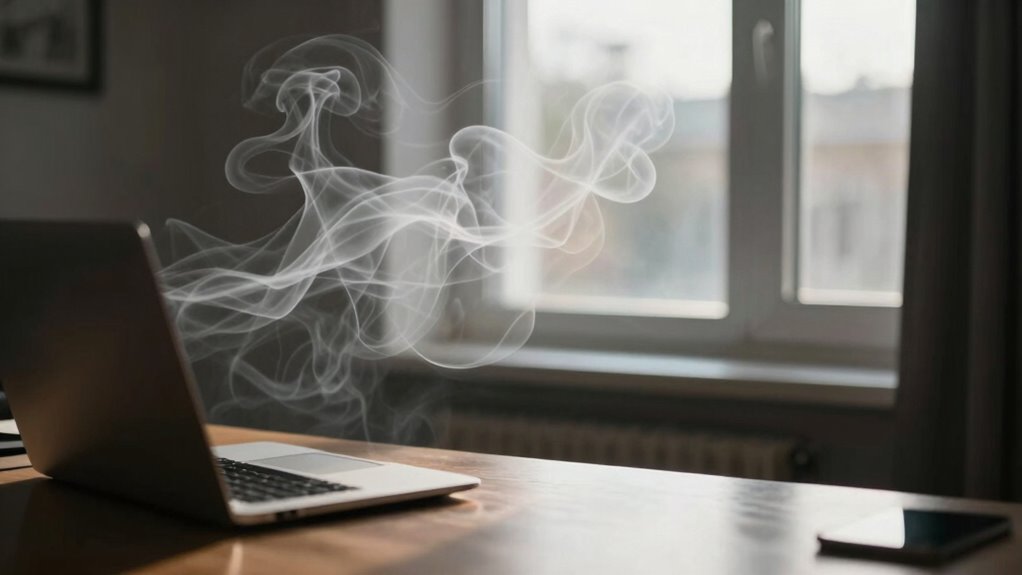
Have you ever wondered how the air quality inside your home office affects your productivity and health? Throughout the day, the way air moves and circulates in your space shapes your comfort, focus, and even your mood. As you work, the air pattern develops, gradually creating a distinct environment that influences how you feel and perform. Understanding this pattern can help you optimize your workspace for better well-being and efficiency.
Indoor air quality impacts your focus, health, and mood; understanding airflow helps optimize your home office environment.
In the morning, when you first settle into your home office, fresh air often enters through windows or ventilation systems, establishing initial air circulation. This movement helps disperse stale air and brings in oxygen, making it easier to concentrate. But as the day progresses, the airflow shifts. Without proper ventilation, the air can become stagnant, especially in enclosed spaces. Poor air circulation leads to reduced oxygen levels and increased carbon dioxide, which can cause fatigue, headaches, and sluggishness. To prevent this, you might open a window or use a fan, encouraging a steady flow of fresh air. This active movement not only refreshes the environment but also aids in scent distribution, ensuring odors don’t linger and that the space feels inviting rather than stuffy. Proper air flow plays a crucial role in maintaining a healthy indoor environment.
Scent distribution plays a subtle but powerful role in shaping your workspace atmosphere. As you work, everyday activities—like heating, cooking, or even the materials in your furniture—release scents that tend to settle in corners or near your desk. If these scents aren’t evenly dispersed through air circulation, certain areas may feel heavy or unpleasant, distracting you from your tasks. Proper air movement helps spread these scents evenly, creating a balanced environment that supports focus. Using air purifiers with scent dispersal features or diffusing essential oils can also enhance scent distribution, making your workspace more pleasant and energizing. Additionally, maintaining good airflow can help prevent the buildup of indoor pollutants that may deteriorate air quality over time.
By mid-morning, the air pattern becomes more complex. Your body’s heat and movement contribute to localized air currents, subtly shifting the pattern. If your space lacks sufficient ventilation, these internal air flows won’t be enough to refresh the environment effectively. Over time, this can lead to a buildup of indoor pollutants and a decrease in air quality, impacting your alertness and comfort. Regularly adjusting your ventilation—whether by opening windows, using fans, or activating HVAC systems—ensures continuous air circulation and balanced scent distribution. This ongoing process maintains a fresh atmosphere, supporting sustained productivity throughout the workday. Recognizing the importance of indoor air quality can guide you in making better ventilation choices that promote healthier indoor environments.
As the day winds down, the air pattern stabilizes into a quieter cycle. Without ongoing airflow, stagnant zones may develop, making the air feel heavy or dull. Recognizing these shifts allows you to take proactive steps, like increasing ventilation or rearranging your workspace for better airflow. When you manage the air circulation and scent distribution consciously, you create an environment that not only promotes health but also keeps you energized and focused from morning to evening. Being aware of these natural air patterns can help you maintain an optimal workspace environment throughout the day.
home office air purifier with scent dispersal
As an affiliate, we earn on qualifying purchases.
As an affiliate, we earn on qualifying purchases.
Frequently Asked Questions
How Does Indoor Air Quality Impact Productivity During the Workday?
Indoor air quality directly impacts your productivity by affecting focus, energy, and comfort. Good air filtration removes pollutants and allergens, while effective ventilation strategies guarantee fresh air circulation. When air quality is poor, you may experience fatigue, headaches, or decreased concentration. By improving ventilation and maintaining clean air filtration, you create a healthier workspace that helps you stay alert, motivated, and productive throughout the workday.
What Common Household Activities Influence Air Patterns the Most?
Cooking, cleaning, and using household products influence air patterns the most. These activities increase air pollutant sources, releasing particles and chemicals into your indoor air. When you cook, warm air rises and stirs circulation; when you clean or spray, pollutants spread quickly. Ventilating during and after these activities helps improve air circulation, reducing pollutant buildup and maintaining healthier indoor air quality for your workday.
Are There Specific Times of Day When Air Quality Worsens?
Air quality worsens typically during the late afternoon and early evening when air pollution levels rise due to traffic and heating. To combat this, you should implement effective ventilation strategies, like opening windows or using air purifiers, especially during these times. Proper ventilation helps clear pollutants and improves indoor air quality, ensuring you breathe cleaner air when outdoor pollution peaks.
How Can I Improve Air Circulation in a Home Office?
Think of your home office as a stagnant pond needing fresh streams. You can improve air circulation by opening windows regularly, using fans to promote airflow, and investing in air purifiers. Implementing ventilation strategies like exhaust fans or air vents also helps, ensuring stale air exits and fresh air enters. These tactics will keep your workspace breathable, reducing indoor pollutants and creating a healthier, more energized environment for your workday.
What Are the Health Risks of Poor Indoor Air Patterns?
Poor indoor air patterns can cause health risks like respiratory issues, allergies, and headaches. When air isn’t properly circulated, pollutants and allergens linger, increasing exposure. To reduce these risks, you should improve air filtration and maintain proper humidity control, which helps keep airborne particles and moisture levels balanced. This creates a healthier environment, decreases illness, and boosts your overall well-being while working from home.
Conclusion
Imagine your home office air as a gentle river flowing all day long. Just as a river can carve valleys over time, your breathing patterns shape your well-being. By mindful ventilation and air quality habits, you steer this river away from stagnation and towards freshness. Keep the current moving, and you’ll guarantee your workspace remains a nourishing stream, fostering clarity and energy. Remember, you’re the river’s guide—steer it wisely for a healthier, more vibrant day.
Fall Picks
fall essentials
As an affiliate, we earn on qualifying purchases.