
To tell if your HVAC is properly mixing air, check for uneven temperatures across rooms, strange noises, or inconsistent airflow from vents. If some areas feel warmer or cooler and you notice rattling, banging, or whistling sounds, there may be airflow restrictions or duct leaks. Regularly inspecting filters, calibrating the thermostat, and ensuring ductwork is in good shape can help, but understanding these signs helps you identify issues early—more tips follow to keep your system balanced.

Get garden gear delivered free — and shop member deals
- Fast, free delivery on millions of items
- Access to Prime Big Deal Days deals on October 6–7
- Prime Video, Amazon Music and more included
Key Takeaways
- Check for uneven temperatures across rooms, indicating poor air mixing.
- Listen for unusual noises like rattling or whistling from vents or ducts.
- Ensure the thermostat is accurately calibrated and reflects actual room temperatures.
- Inspect vents and ductwork for blockages, leaks, or weak airflow.
- Regularly maintain filters and have professional assessments to identify circulation issues.
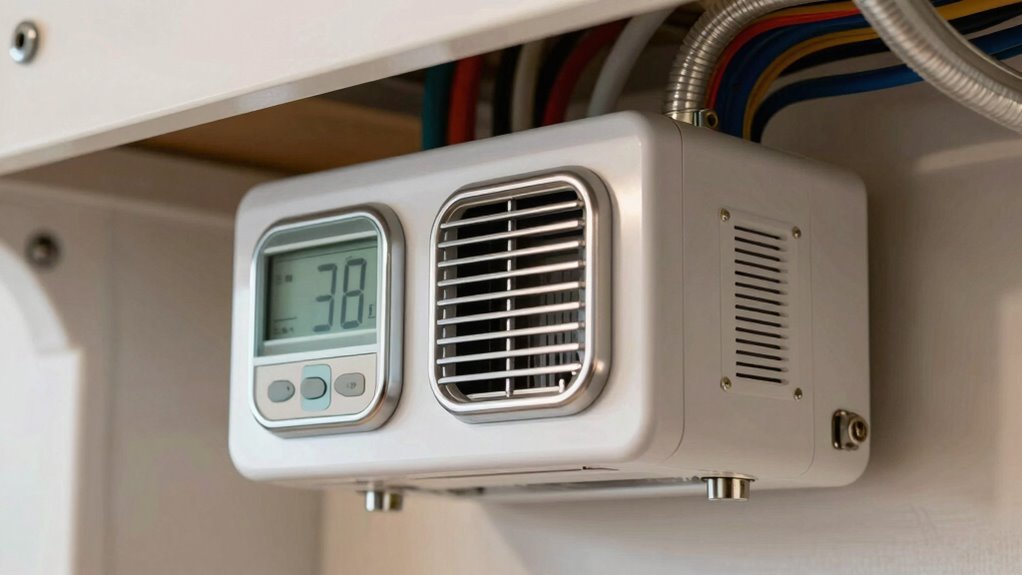
Understanding whether your HVAC system is effectively blending air or facing issues is essential for maintaining a comfortable and efficient home. One of the first signs to watch for is uneven temperatures throughout your space. If some rooms feel warmer or cooler than others, it could indicate poor air mixing or a problem with your system’s airflow. Regular air filter maintenance is key here; a clogged or dirty filter restricts airflow, causing your system to struggle with proper circulation. When filters are clean, air moves more freely, helping to balance temperatures better across your home and ensuring your HVAC isn’t working harder than necessary.
Uneven temperatures signal poor air mixing; regular filter maintenance improves airflow and system efficiency.
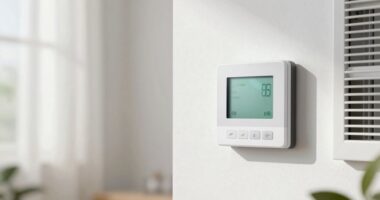
Another critical aspect to factor in is your thermostat calibration. If your thermostat isn’t accurately reading the room temperature, your system might turn on or off at the wrong times, leading to inconsistent comfort levels. Proper calibration ensures your thermostat reflects the actual temperature, so your HVAC system responds appropriately. If you notice frequent cycling or your home feels uncomfortable despite the thermostat settings, it’s time to check and recalibrate the thermostat. Doing so can resolve issues related to improper air mixing caused by inaccurate control signals.
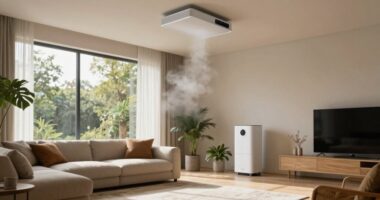
In addition to thermostat calibration, pay attention to the airflow patterns in your home. If certain areas are consistently warmer or cooler, it might be due to ductwork issues or inadequate ventilation. You can perform a simple test by feeling the air coming from vents; if some vents blow weakly or not at all, it’s a sign of a blocked or leaking duct system. Regularly inspecting and sealing your ducts can improve air distribution, ensuring the entire home receives a balanced mix of conditioned air. Proper ductwork design is also crucial for effective air mixing and overall HVAC performance. Additionally, considering airflow efficiency can help determine if your system is optimized for proper air circulation. Improving duct and vent design can also enhance airflow, reducing strain on your system and preventing common issues. Furthermore, addressing issues like duct leaks can significantly improve overall air distribution and system efficiency.
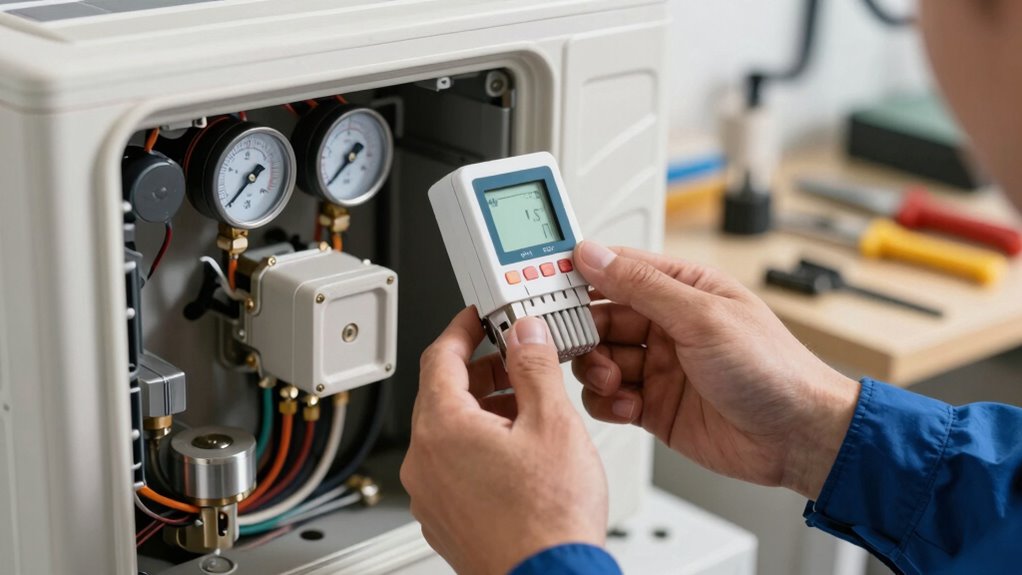
Furthermore, listening for strange noises from your HVAC can reveal mixing issues or mechanical problems. Rattles, banging, or whistling sounds often indicate airflow restrictions or loose components. Addressing these early helps prevent more significant issues down the line. Routine maintenance checks, including inspecting fans, filters, and ducts, help keep your system running smoothly. Also, airflow distribution plays a vital role in preventing these noises and ensuring balanced comfort across your home.
Ultimately, staying attentive to these signs—uneven temperatures, thermostat inaccuracies, airflow irregularities, and strange noises—will help you determine whether your HVAC is properly blending air or if it’s time for some troubleshooting. Prioritizing air filter maintenance and thermostat calibration ensures your system operates efficiently, providing the comfort you need while saving energy and reducing repairs. When in doubt, consulting a professional can help diagnose and fix underlying problems, keeping your home comfortable year-round.
As an affiliate, we earn on qualifying purchases.
Frequently Asked Questions
How Often Should I Schedule HVAC Maintenance?
You should schedule HVAC maintenance at least once a year, preferably in spring or fall. Regular filter maintenance keeps your system running efficiently, while thermostat calibration guarantees accurate temperature control. If you notice inconsistent heating or cooling, increase visits to twice a year. Routine check-ups help catch problems early, saving you money and extending your system’s lifespan. Don’t forget to replace filters and verify thermostat settings during each maintenance appointment.
What Are Signs of HVAC System Inefficiency?
Is your HVAC system whispering signs of inefficiency? Look for uneven cooling or heating, increased energy bills, or strange noises—these are clues that your system’s energy efficiency is slipping. Regular system diagnostics can reveal underlying issues, helping you catch problems early. If your system struggles to maintain comfort, it’s time to act. Addressing inefficiency promptly keeps your home comfortable and saves money by optimizing energy use.
Can HVAC Issues Affect Indoor Air Quality?
Yes, HVAC issues can affect indoor air quality. When your system isn’t functioning properly, indoor pollutants like dust, mold, and allergens can build up, making the air unhealthy. Ventilation concerns may also arise, reducing fresh air circulation and trapping pollutants inside. This can lead to respiratory problems and discomfort. Regular maintenance helps guarantee your HVAC system effectively filters contaminants and maintains proper ventilation for healthier indoor air.
How Long Does HVAC System Repair Usually Take?
HVAC system repairs typically take anywhere from a few hours to a full day, depending on the issue. If your problem involves thermostat calibration or duct insulation, it might be quicker, around a couple of hours. However, more complex issues could extend repair times. During repairs, your technician will check components and improve insulation or calibration to guarantee your system works efficiently. Proper maintenance can help shorten repair durations.
Is It Better to Repair or Replace an Old HVAC Unit?
Think of your HVAC as a trusty steed—sometimes, repairing it is wise, but when it’s past its prime, replacing is better. If your unit’s energy efficiency has dropped and repairs cost more than a new system, it’s time to contemplate a replacement. A cost comparison shows a new, energy-efficient unit can save you money long-term, making the upgrade a smart move rather than pouring resources into an aging, less effective system.
Conclusion
In the end, recognizing whether your HVAC is simply blending comfort or trying to untangle issues is like watching a skilled artist at work—sometimes, it’s a subtle shift, and other times, a clear stroke of brilliance. When you notice the flow feels off or the picture isn’t quite right, it’s a gentle nudge to seek expert care. Trust your instincts, and let the professionals help bring harmony back into your home’s atmosphere.
Fall yard work Picks
leaf blowers
As an affiliate, we earn on qualifying purchases.