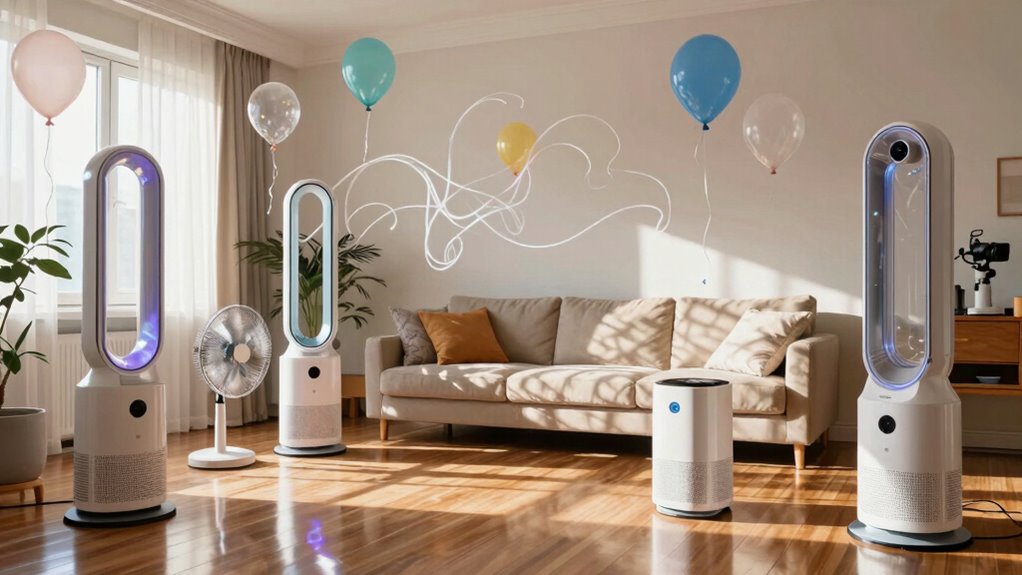

When your room has too many air obstacles, airflow becomes disrupted, creating pockets of still air and uneven temperatures. Large furniture, blocked vents, and clutter prevent fresh air from circulating properly, leading to stuffiness, lingering odors, and higher moisture levels. This can worsen indoor air quality and cause health issues like allergies or respiratory problems. If you keep obstacles in your space, poor ventilation can become a persistent problem—find out how to fix it and improve your environment.

Get garden gear delivered free with Prime
- Fast, free delivery on millions of items
- Prime Video, Amazon Music and more included
- Member-only deals all year
Key Takeaways
- Airflow becomes disrupted, causing uneven temperature and poor ventilation throughout the room.
- Stagnant air pockets develop, leading to stuffiness, odors, and increased indoor pollutants.
- Proper air exchange is hindered, raising humidity and promoting mold growth.
- Indoor air quality declines, potentially triggering allergies and respiratory issues.
- Overall comfort decreases due to uneven airflow and temperature inconsistencies.
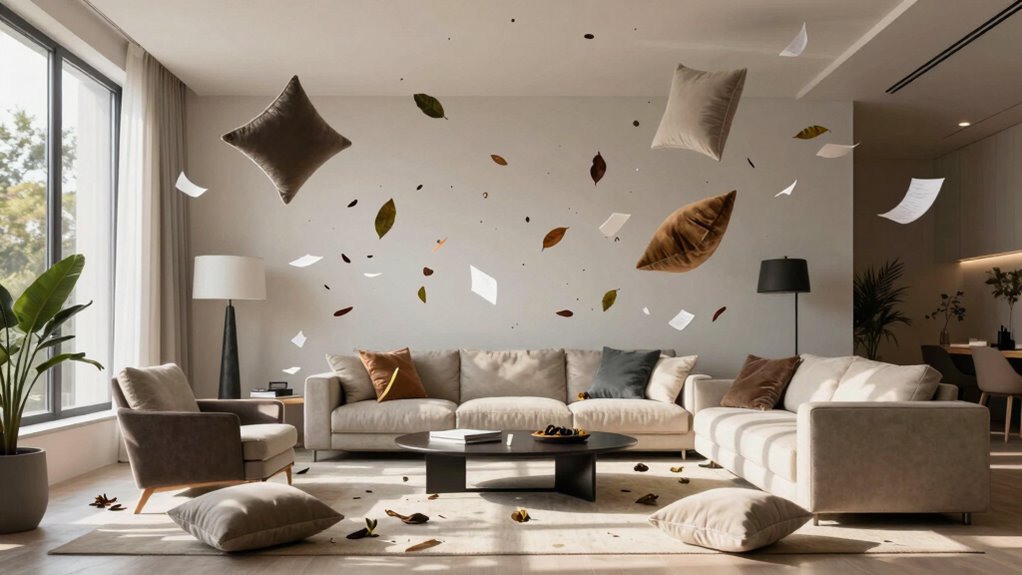
Have you ever wondered why the air in certain rooms feels stagnant or uncomfortable? It’s often because of how airflow patterns are disrupted. When a room has too many obstacles—like furniture, decorative items, or even clutter—the natural movement of air becomes obstructed. These obstacles interfere with the way air circulates, creating pockets of still air and uneven temperature distribution. Instead of flowing freely, air hits these barriers and is forced to change direction, which can lead to poor ventilation and an uncomfortable environment. Understanding how obstacle placement affects airflow is key to improving room comfort.
Obstacles disrupt airflow, causing stagnant air and uneven temperatures—careful placement improves ventilation and comfort.
When you block or clutter a space with too many items, you disrupt the natural airflow patterns. Air tends to follow the path of least resistance, but obstacles force it to divert, slow down, or even stop altogether. This results in areas of stagnation where fresh air doesn’t reach or circulate effectively. For example, placing large furniture directly in front of vents or near windows can prevent fresh air from entering or moving through the room efficiently. Over time, this can cause stuffiness, lingering odors, and even contribute to mold growth if moisture gets trapped in poorly ventilated corners. Additionally, poor airflow can exacerbate issues related to indoor pollutants and allergens. Proper airflow is essential to maintaining a healthy indoor environment. Efficient airflow can be achieved by thoughtful arrangement and proactive ventilation. Proper air circulation helps disperse heat, humidity, and pollutants, creating a more balanced indoor climate.
Improving airflow also involves understanding the airflow patterns specific to your space, which can be influenced by the room’s shape, size, and the placement of windows and vents. When furniture or objects are arranged without considering airflow, you create barriers that hinder proper ventilation. For instance, blocking a vent with a tall bookshelf or positioning a sofa directly in front of a window can considerably reduce the effectiveness of air exchange. As a result, the room may feel warm, stale, or humid, especially during hot or humid seasons. This isn’t just an inconvenience—it can also impact your health, as poor air quality can contribute to allergies, respiratory issues, and fatigue.
To improve airflow, you should think about clearing pathways and spacing out obstacles to allow air to move unimpeded. Keep furniture away from vents and ensure there’s enough space around heating or cooling sources. Also, consider the placement of decorative items; avoid clustering too many objects in one area that could block air movement. Using fans or adjusting vents can help create more consistent airflow patterns, reducing stagnant zones and making the room feel fresher and more comfortable.
In essence, when a room has too many air obstacles, it hampers the natural flow of air, leading to discomfort and compromised air quality. By paying attention to obstacle placement and understanding airflow patterns, you can design your space to promote better circulation, ensuring a more comfortable and healthier environment. Proper ventilation strategies are essential for maintaining indoor air quality and preventing stagnant air buildup.
As an affiliate, we earn on qualifying purchases.
Frequently Asked Questions
How Do Air Obstacles Affect Indoor Air Quality?
Air obstacles disrupt your indoor air quality by blocking proper air circulation, which can cause pollutants to accumulate. When airflow is hindered, dust, allergens, and other airborne contaminants settle and build up faster, making the air less clean and potentially affecting your health. To maintain good air quality, you should minimize obstacles, guarantee efficient airflow, and use ventilation or air purifiers to reduce pollutant buildup in your space.
Can Too Many Obstacles Cause Uneven Temperature Distribution?
Yes, too many obstacles can cause uneven temperature distribution in your room. They disrupt air circulation, preventing warm or cool air from flowing evenly. As a result, you may notice distinct temperature zones, with some areas feeling warmer or cooler than others. To maintain consistent comfort, clear pathways for airflow and minimize clutter that blocks vents or fans. Proper air circulation guarantees all parts of your room stay at a steady, comfortable temperature.
Are Certain Furniture Pieces More Likely to Block Airflow?
Certain furniture pieces, like large sofas, bookshelves, and bulky cabinets, are more likely to block airflow. You should pay attention to furniture placement, avoiding blocking vents or airflow paths. Decorative items like curtains or rugs can also restrict air circulation if placed improperly. By strategically arranging furniture and minimizing clutter, you guarantee better airflow, which helps maintain a comfortable, evenly heated or cooled room.
How Can I Identify Hidden Air Obstacles in My Room?
You can identify hidden air obstacles by checking your air vents for blockages and observing airflow patterns. Feel for areas where air feels weak or uneven, which indicates obstacle placement. Move furniture away from vents and walls to improve circulation. Use a tissue or smoke pencil near vents to see how air moves, revealing hidden obstacles. Regularly inspect your room to guarantee airflow isn’t obstructed by unseen items.
Do Air Obstacles Impact Humidity Levels Indoors?
Did you know that airflow restrictions can increase indoor humidity by trapping moist air? When your room has too many air obstacles, it hampers proper airflow, making humidity control more difficult. This can lead to dampness, mold, and discomfort. To keep your space comfortable, clear obstacles and improve ventilation. Good airflow helps regulate humidity levels naturally, preventing excess moisture and creating a healthier indoor environment.
Conclusion
When your room is filled with too many air obstacles, it’s like trying to navigate a maze with walls that keep shifting. Airflow becomes sluggish, dampening comfort and possibly encouraging mold or stale odors. To keep things flowing smoothly, remove unnecessary clutter and arrange furniture thoughtfully. Think of your room as a clear stream—when free of obstacles, it moves effortlessly, bringing freshness and energy. Clear the path, and breathe easier in your space.
Halloween Picks
halloween
As an affiliate, we earn on qualifying purchases.