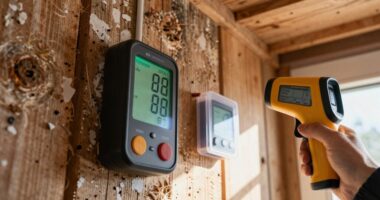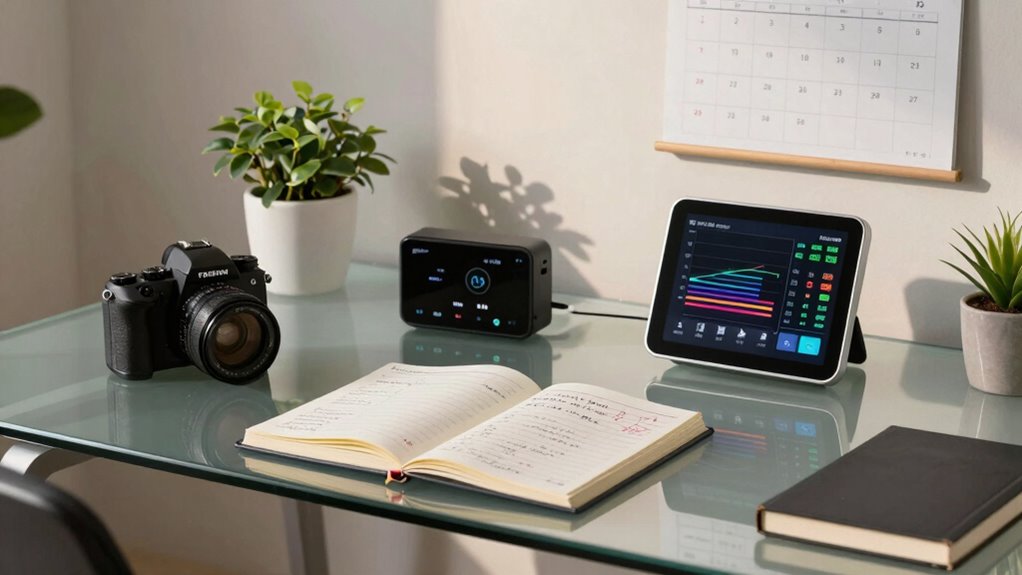

Instead of constantly checking air quality apps, focus on logging weekly data like indoor air quality trends, the impact of habits like opening windows or using purifiers, and energy consumption of your devices. Track fluctuations during different days and times to see patterns, and note how external environmental factors influence indoor conditions. This helps you understand long-term patterns and make smarter adjustments without getting overwhelmed by real-time alerts. Keep going to discover how to make this process even more effective.

Get garden gear delivered free with Prime
- Fast, free delivery on millions of items
- Prime Video, Amazon Music and more included
- Member-only deals all year
Key Takeaways
- Track overall indoor air quality trends to identify long-term patterns and improvements.
- Log the impact of specific actions, like opening windows or using purifiers, on air quality over time.
- Monitor energy consumption of air quality devices to optimize usage and efficiency.
- Record fluctuations in pollution levels during different days or times to identify external influences.
- Review weekly data to develop proactive routines that maintain healthy indoor air without constant checking.

If you find yourself constantly checking air quality apps throughout the day, it’s time to shift your focus. Instead of fixating on real-time data, consider what you can log weekly to get a clearer picture of your environment and habits. This approach not only reduces your screen time but also helps you understand patterns over time. Rather than reacting to every fluctuation, you can observe trends and make informed decisions about your living or working space. Logging weekly data allows you to track changes in air quality, which is more meaningful than momentary readings. It encourages you to look at broader patterns, helping you see the impact of actions like opening windows or using air purifiers. Incorporating long-term environmental data can further enhance your understanding of indoor air quality trends and their connection to your habits. Focusing on what to log weekly instead of checking air apps all day shifts your mindset from reactive to proactive. For instance, monitor your energy consumption related to air quality improvement devices, such as air purifiers or fans. Tracking how often you use these devices weekly helps you gauge their effectiveness and efficiency. You might notice that running your purifier for a certain period each day reduces pollutants considerably, or that turning on a fan during specific times improves air quality. This kind of data collection fosters better user engagement, as you become more aware of how your actions influence indoor air conditions. It’s a way of taking control without obsessing over real-time numbers, which often lead to unnecessary worry or overuse of devices. Instead of obsessively checking air quality apps, dedicate time weekly to review your logs. Note patterns like increased pollution during certain days or times, or how your habits impact air quality levels. Regular review of air quality trends can help you identify the most effective actions to maintain a healthy indoor environment. This practice can reveal insights into how your energy consumption correlates with air quality improvements, enabling you to optimize your routines. For example, if you find that ventilating your space during certain hours improves air quality without increasing energy use substantially, you can plan your activities accordingly. Logging weekly also keeps you engaged without overwhelming you with constant notifications or alarms. It helps you develop a sustainable approach, where your focus is on long-term improvements rather than immediate reactions. Recognizing air quality fluctuations over time can also help you address sources of pollution more effectively. Being aware of indoor air quality patterns can guide you in making proactive adjustments to your environment and habits.
As an affiliate, we earn on qualifying purchases.
Frequently Asked Questions
How Can I Stay Motivated to Reduce App Checking?
To stay motivated, practice mindful awareness and self-reflection regularly. When you notice the urge to check apps, pause and ask yourself why. Recognize your triggers and remind yourself of your goals. Celebrate small victories and track your progress. By staying present and understanding your habits, you’ll find it easier to reduce app checking and stay committed to creating healthier digital boundaries.
What Alternative Activities Can Replace Constant App Monitoring?
Imagine you’re a gardener tending a delicate plant, not constantly checking its growth but pausing for mindful intervals. Instead of relentless app monitoring, you can embrace a digital detox by engaging in activities like reading, walking, or journaling. These alternatives help you reconnect with the present, nurture your focus, and maintain balance. By cultivating mindful intervals, you foster healthier habits, reducing the urge to check apps and enriching your daily life.
How Does Logging Weekly Improve Overall Productivity?
Logging weekly helps you improve overall productivity by encouraging a digital detox and promoting mindful habit tracking. When you review your activities weekly, you identify patterns, spot distractions, and set clearer goals. This regular reflection reduces unnecessary app checks, helps you stay focused, and builds better habits. Ultimately, it fosters a healthier balance between screen time and other meaningful activities, boosting your efficiency and mental clarity.
Are There Specific Tools to Help Track Non-App-Related Habits?
Yes, there are specific tools to help you track non-app-related habits, supporting your digital detox efforts. Habit tracking apps like Habitica, Streaks, or Loop allow you to log activities such as exercise, meditation, or reading. These tools help you stay accountable and visualize your progress, encouraging you to reduce screen time. By consistently tracking habits, you reinforce your commitment to a balanced digital lifestyle and healthier routines.
How Long Should I Commit to This New Logging Routine?
You should commit to your new habit tracking routine for at least a month. This period allows you to develop mindful reflection, helping you understand patterns and progress. Consistency is key, so try to log your habits weekly without interruption. After a month, evaluate how it feels—if it’s beneficial, maintain the routine, but if not, adjust accordingly. Staying committed helps solidify these new habits naturally.
Conclusion
So, instead of wasting your day glued to air apps, start logging smarter. Track key metrics once a week—like air quality levels, weather patterns, or equipment performance. This simple shift saves you endless hours and keeps you sane. Trust me, mastering this habit is like discovering the secret to controlling the universe—except it’s just your workload. Take control, stay focused, and watch your productivity skyrocket like a rocket to the stars!
Halloween Picks
halloween
As an affiliate, we earn on qualifying purchases.