
TL;DR

Get garden gear delivered free with Prime
- Fast, free delivery on millions of items
- Prime Video, Amazon Music and more included
- Member-only deals all year
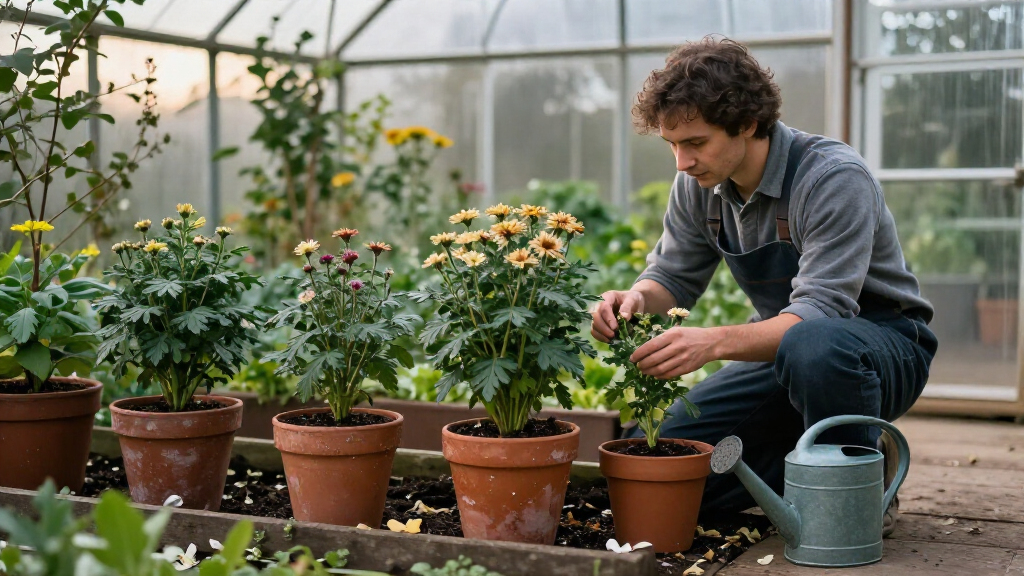
A mum that stops blooming may have finished its natural flower cycle, or its display may be affected by too little sun, dry soil or warm weather. Country Living’s gardening report distinguishes florist mums, often treated as seasonal plants, from hardier garden mums and offers steps to help garden varieties survive winter.
Mums can stop blooming because their flowers have reached the end of their cycle, or because the plant has not had enough sunlight or water, or has faced warm weather, according to a Country Living gardening report. The explanation matters to shoppers who expect a fall porch display to last until Thanksgiving: the plant’s type and how far along it is in its bloom cycle shape how long its flowers last.
The report says chrysanthemums do not produce a second flush of flowers once their blooms fade. If all the buds have opened, the plant may simply be done for the season; removing spent flowers can tidy its appearance but will not prompt new buds. To extend a display across the season, the report recommends choosing early-, mid- and late-blooming varieties.
Sun and water are other possible causes. Mums do best with six to eight hours of bright sunlight, and buds that have not opened need light to flower, according to the guidance from Sunnyside Gardens in Minneapolis cited by Country Living. Mums have shallow roots, so their soil should stay consistently moist rather than drying out. Pots need drainage holes to prevent excess water from remaining around the roots.
Temperature also affects the display: mums prefer cool weather, and warmer conditions can cause flowers to fade sooner. The report distinguishes florist mums, often sold in wrapped pots for a temporary burst of color, from garden mums, which are sold with variety and hardiness-zone information and may survive winter in suitable conditions. Neither plant type is guaranteed to return or bloom for a particular length of time.
How Plant Type Shapes the Display
Knowing why blooms have ended helps gardeners decide whether to adjust care or accept that the season’s flowers are finished. A plant with no unopened buds is unlikely to produce a fresh flush simply because its owner deadheads it. A plant with closed buds, by contrast, may benefit from a sunnier spot and regular watering, depending on its condition.
The distinction between florist and garden mums also affects expectations and spending. A florist mum may provide a concentrated seasonal display without being suited to overwintering outdoors. A garden mum may return in later years, but its survival depends on the variety, local winter conditions and care. Checking a plant tag for its USDA Plant Hardiness Zone can help buyers choose a variety suited to their area, though it is not a guarantee of success.
Products Worth Considering

Philips Hue Festavia 130-Foot Indoor/Outdoor Smart String Lights, 500 Color-Changing LEDs

Levoit Vital 100S-P Air Purifier with Washable Pre-Filter

Dyson Cyclone V10 Origin Cordless Vacuum
As an affiliate, we earn on qualifying purchases.
Bloom Timing and Winter Survival
Bloom duration varies with the plant’s stage when purchased. Sunnyside Gardens’ guidance, as quoted in the report, says a mum with mostly green buds will generally start flowering in about two weeks and then bloom for about six weeks. A plant bought at different stages may have less time left: one bought mid-bloom may flower for about three to five weeks, while one at peak bloom may last another two to three weeks. These are general estimates, not a promise for every plant.
Garden mums can be difficult to carry through winter even though they are more cold-hardy than florist mums. The report says planting in spring gives a garden mum more time to establish before winter, particularly in colder regions. It also relays Iowa State University Extension and Outreach advice to leave old foliage in place through winter and add protective mulch in late fall. In autumn, deadheading spent blooms can help direct the plant’s energy toward roots rather than seed production, according to Country Living garden contributor Arricca Elin SanSone.
“A mum with mostly green buds will generally begin blooming in about two weeks, then flower for about six weeks.”
— Sunnyside Gardens, Minneapolis, as cited by Country Living
What Determines a Mum’s Return
The report offers general care guidance, but it cannot identify why any particular mum stopped flowering without details such as its variety, purchase date, bud stage, sunlight, watering and local weather. It is also not possible to guarantee that a garden mum will survive winter: the plant’s hardiness zone, planting time and conditions all matter. The supplied material does not give a publication date, and its bloom-duration figures are attributed estimates rather than controlled measurements for every cultivar.
Steps for the Next Bloom Season
For a mum that still has unopened buds, check whether it receives roughly six to eight hours of bright light and whether its soil is drying out. Keep container plants in pots with drainage, and water regularly enough to maintain consistently moist soil. If all flowers have opened and faded, treat the display as finished rather than expecting deadheading to bring on another flush.
For next season, compare plant tags and select a garden mum suited to the local hardiness zone if the goal is to try for a return bloom. Consider planting in spring, deadhead faded flowers in fall, leave foliage standing over winter and add mulch in late fall, following the guidance cited in the report. Choosing several bloom periods can also spread color across more of the season.
Key Questions
Will deadheading make my mum bloom again?
No. The report says mums do not produce a second flush after their flowers fade. Deadheading can improve the plant’s appearance, but it does not create new buds.
How much sunlight do mums need to bloom?
The cited gardening guidance says mums do best with six to eight hours of bright sunlight. Buds that are still tightly closed or just beginning to open need light to flower.
How often should I water a potted mum?
Check the soil regularly and keep it consistently moist rather than letting it dry out. The report does not prescribe a fixed watering schedule, since conditions and containers differ; pots should have drainage holes.
Can garden mums bloom again next year?
Some garden mums can return as perennials if the variety suits the local hardiness zone and the plant survives winter. The report says survival is not guaranteed and suggests spring planting, leaving foliage in place over winter and adding late-fall mulch.
Source: countryliving.com