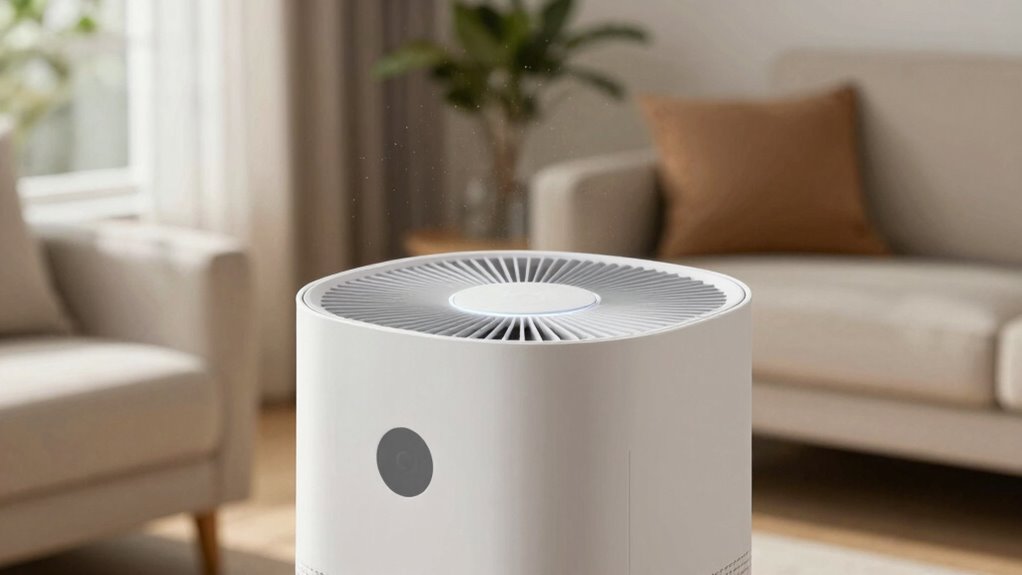
‘True HEPA’ signals that the filter has been independently tested and certified to trap at least 99.97% of airborne particles as small as 0.3 microns, indicating reliable performance. However, it doesn’t guarantee it will remove all airborne contaminants or meet every specific filtration need. Certification shows the filter is effective against certain particles, but other pollutants may still pass through. To learn more about what ‘True HEPA’ really means, keep exploring the details behind these standards.

Get garden gear delivered free with Prime
- Fast, free delivery on millions of items
- Prime Video, Amazon Music and more included
- Member-only deals all year
Key Takeaways
- “True HEPA” indicates the filter meets strict standards, capturing 99.97% of particles 0.3 microns in size.
- It signifies independent certification, not just marketing claims or labels.
- “True HEPA” does not guarantee removal of all airborne pollutants or bacteria.
- Some products use misleading terms like “HEPA-like” or “HEPA-type” without certification.
- Certification ensures filter performance but doesn’t cover every airborne contaminant.
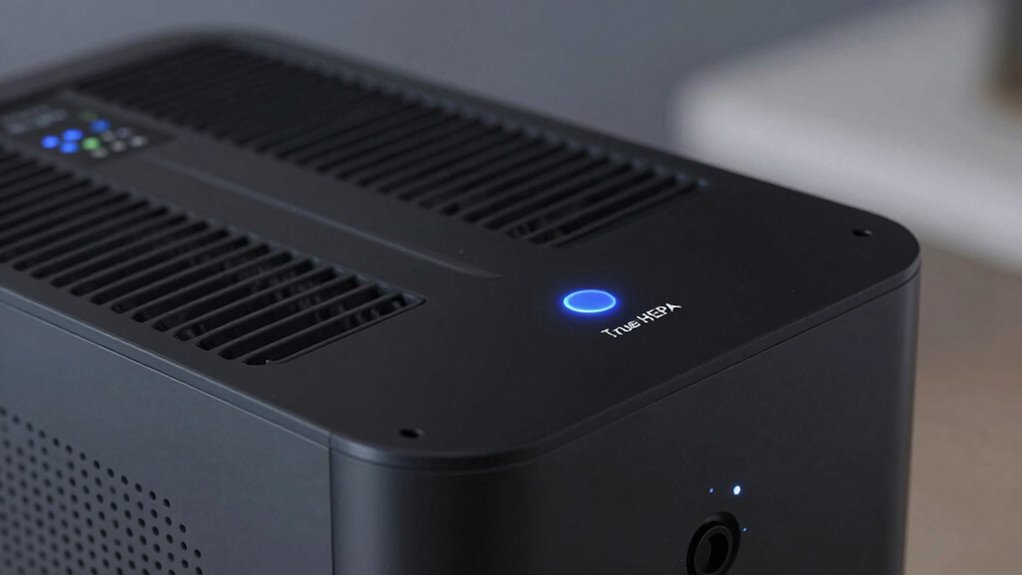
Have you ever wondered how to tell if an air purifier truly uses HEPA filtration? It’s a good question because the market is flooded with products claiming to provide “HEPA” performance. The truth is, not all filters labeled as “HEPA” meet the same standards, which can lead to confusion and sometimes disappointment. The key to understanding this lies in knowing what “True HEPA” signals and what it doesn’t. When a product advertises itself as having true HEPA filtration, it usually indicates that the filter meets specific certification standards. These standards are set by organizations like the U.S. Department of Energy (DOE) and other governing bodies, which rigorously test filters for their ability to capture particles 0.3 microns in size with at least 99.97% efficiency. If a filter is certified under these standards, it’s considered a true HEPA filter. But beware: many manufacturers use the term loosely or combine it with other marketing claims, trying to suggest superior performance without meeting those strict criteria.
When you see “True HEPA,” it signals that the filter has undergone testing and certification, confirming it can effectively trap airborne pollutants such as dust, pollen, pet dander, and certain bacteria. This certification process is vital because it guarantees the air filtration system actually performs as promised. However, it’s also important to recognize that certification standards only specify particle removal efficiency and do not necessarily reflect performance against all types of airborne contaminants. Some products might boast “HEPA-like” or “HEPA-type” filters, which are often less efficient and don’t meet the rigorous certification standards. These alternatives can be cheaper but may not deliver the same level of air purification. Additionally, understanding the testing and certification process can help you better assess the reliability of a product’s claims. Knowing about air filtration standards can also help consumers distinguish between genuine and misleading marketing claims. It’s beneficial to be aware that the testing procedures are designed to ensure that certified filters consistently meet the specified particle removal rates, adding an extra layer of trustworthiness to the label.
Understanding what “True HEPA” signals is essential in making an informed choice. It assures you that the filter has been independently tested and certified to meet established air filtration standards. Still, it’s important to verify the certification itself rather than relying solely on marketing claims. Look for labels from reputable organizations that specify the filter’s performance, such as the HEPA certification from the U.S. Department of Energy or other recognized bodies. Remember, the label “True HEPA” is a helpful guide, but it’s your responsibility to research and guarantee that the product truly meets the necessary standards for effective air filtration. In the end, this knowledge helps you choose an air purifier capable of improving your indoor air quality reliably and safely.
Products Worth Considering

Levoit Eleva 300X HEPA Air Purifier for Home and Bedroom

LEVOIT Vital 200S-P Smart Air Purifier for Large Rooms

Coway Airmega 250 Air Purifier for Large Rooms
As an affiliate, we earn on qualifying purchases.
Frequently Asked Questions
Can True HEPA Filters Remove Gases and Odors?
True HEPA filters can’t remove gases and odors on their own because they focus solely on capturing airborne particles like dust, pollen, and pet dander. For effective odor elimination and chemical filtration, you need to add activated carbon or charcoal filters. These materials absorb gases and odors, working alongside the HEPA filter to improve indoor air quality. So, combining both filter types is your best bet for thorough air cleaning.
How Often Should True HEPA Filters Be Replaced?
You should replace your True HEPA filter every 6 to 12 months, depending on usage and air quality. Irony strikes: even the best filters don’t last forever. The filter’s lifespan varies with how often you use it and the environment. Stick to the recommended replacement schedule to guarantee peak air purification. Ignoring it might make your filter as effective as a screen door on a submarine!
Are True HEPA Filters Effective Against Viruses?
Yes, true HEPA filters are effective against viruses because they capture particles as small as 0.3 microns, including many airborne viruses. They considerably improve your air quality by removing allergens, bacteria, and other pollutants. The filter efficiency of true HEPA filters ensures that harmful particles don’t circulate in your space. Regularly replacing the filter maintains their effectiveness, helping you breathe cleaner, healthier air.
Do All Air Purifiers With HEPA Labels Meet True HEPA Standards?
Not all air purifiers with HEPA labels meet true HEPA standards—it’s like assuming every diamond is flawless. You need to check if they use true HEPA filter technology, which traps at least 99.97% of particles as small as 0.3 microns. When shopping for air quality, look beyond the label, and verify the filter’s genuine capabilities. Only then can you guarantee you’re breathing in cleaner, healthier air.
What Maintenance Is Required for True HEPA Filters?
You need to regularly check your true HEPA filter’s lifespan, usually every 6 to 12 months, depending on use. Maintenance tips include replacing the filter when it looks dirty or after the recommended time, and keeping the surrounding area clean to prevent dust buildup. Always follow the manufacturer’s instructions for filter replacement and cleaning, ensuring your air purifier works efficiently and maintains good indoor air quality.
Conclusion
When you see “True HEPA,” you’re getting a filter that captures 99.97% of tiny particles, offering reliable air purification. But don’t assume it’s a magic solution—know what it filters, understand its limits, and consider your specific needs. Trust the label, but stay informed. Because when you understand what “True HEPA” truly signals—and what it doesn’t—you empower yourself to breathe easier, make smarter choices, and create a healthier living space.