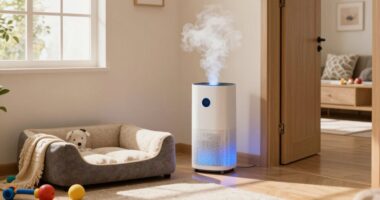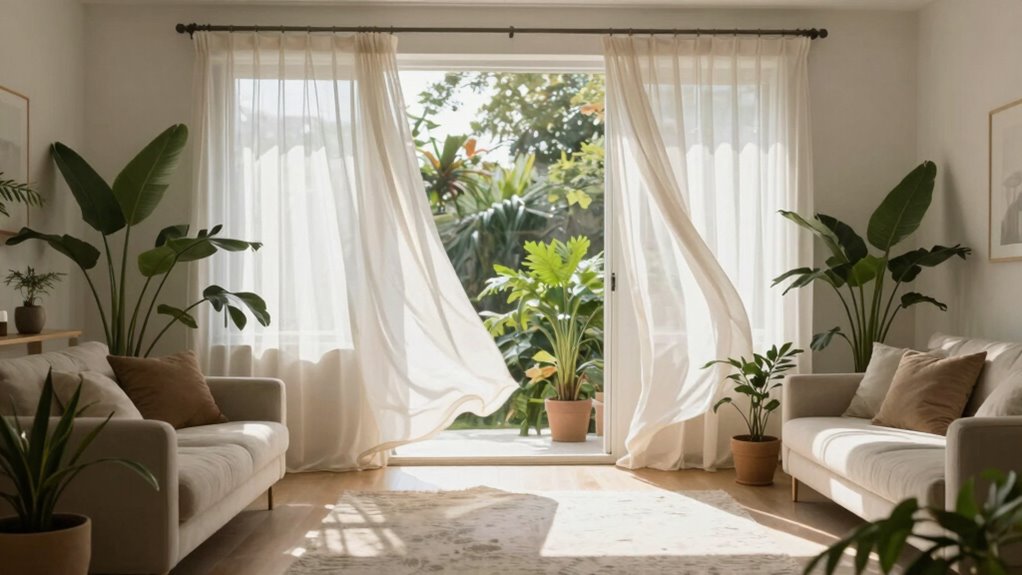

In living rooms that never fully close off, focus on promoting continuous air movement through strategic use of fans, natural ventilation, and regular maintenance. Open windows when outdoor air quality is good, utilize cross-ventilation, and place fans to direct airflow where needed. Keep furniture positioned to avoid airflow blockages and regularly clean to prevent allergen buildup. By actively managing these factors, you create a healthier, fresher space; keep exploring to learn more tips for ideal air quality.

Get garden gear delivered free with Prime
- Fast, free delivery on millions of items
- Prime Video, Amazon Music and more included
- Member-only deals all year
Key Takeaways
- Prioritize continuous air movement using fans, natural ventilation, and regular maintenance to prevent stale air buildup.
- Use cross-ventilation by opening windows on opposite sides to enhance fresh air intake and pollutant removal.
- Incorporate indoor plants that absorb toxins and improve humidity, supporting better air quality.
- Strategically place fans to direct airflow toward corners and electronics, avoiding stagnant air zones.
- Monitor indoor air quality regularly to optimize ventilation timing and ensure a healthy living environment.
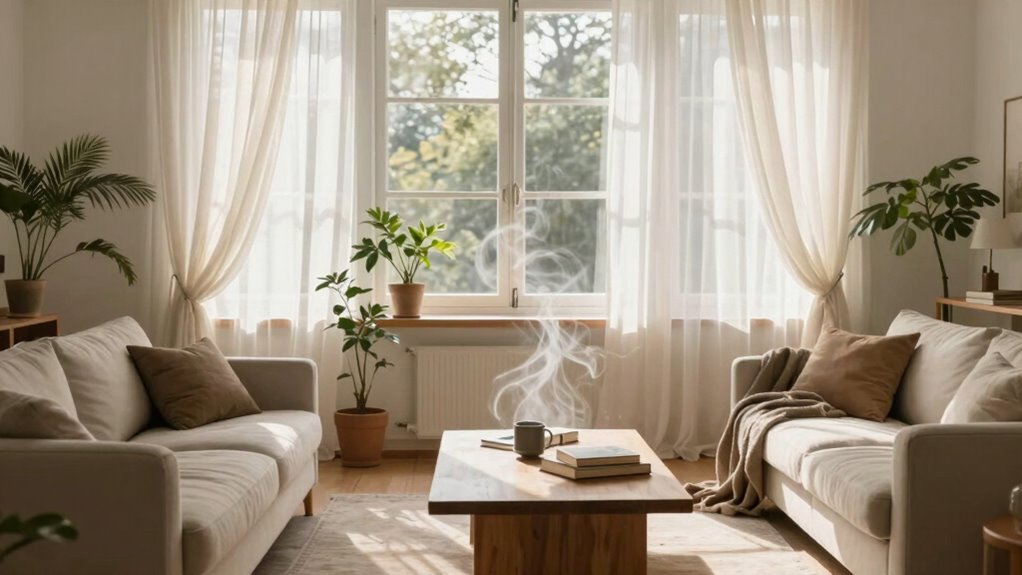
Air quality in your living room often goes unnoticed, yet it plays an essential role in creating a comfortable and healthy space. When your living room never fully closes off—whether due to open floor plans, large windows, or partial walls—air circulation becomes even more critical. Without proper management, the air can feel stale, and indoor air quality may decline, leading to discomfort or health concerns. To maintain a fresh environment, you need to think about how air moves throughout your space and how to optimize that movement.
Good air circulation ensures that fresh air enters your living room and stale air exits efficiently. In an open space, air naturally flows more freely, but that can also mean pollutants, dust, or odors spread quickly if circulation isn’t controlled. Using fans or ceiling fans can help promote even airflow, preventing pockets of stagnant air. These devices encourage constant movement, which refreshes indoor air quality and helps eliminate indoor pollutants. Additionally, positioning fans strategically can direct airflow toward areas prone to stagnation, such as corners or near electronics that emit heat. Recognizing airflow patterns and adjusting them accordingly can significantly improve your living environment. Incorporating air exchange mechanisms can further enhance this process, ensuring a steady flow of fresh air.
Effective air circulation keeps your living room fresh by preventing stagnation and dispersing pollutants efficiently.
Another key step is to leverage natural ventilation. Open windows when weather permits to introduce fresh outdoor air, especially during times when outdoor air quality is good. Cross-ventilation—opening windows on opposite sides of the room—can markedly improve air exchange. If your living room has large windows or sliding doors, make sure they’re utilized effectively to facilitate airflow. Even slight openings can help dilute indoor pollutants and bring in oxygen-rich air. Regularly monitoring indoor air quality levels can also help you determine the best times to open windows and optimize ventilation. Incorporating air quality sensors can provide real-time data, making it easier to maintain a healthy environment.
Incorporating indoor plants can also enhance air quality subtly. Certain plants absorb airborne toxins and add humidity, which is beneficial for breathing comfort. Just remember, they work best in conjunction with proper air circulation methods. Keeping your space clean and dust-free is another simple yet effective way to maintain healthy indoor air quality. Regular dusting and vacuuming prevent the buildup of allergens, which can otherwise circulate freely in an open environment.
Ultimately, thinking about air in a living room that remains semi-open means prioritizing continuous movement and exchange. Use fans, natural ventilation, and maintenance routines to ensure that fresh air keeps flowing in, and stale air is pushed out. By doing so, you create a living space that feels inviting, healthy, and comfortable—regardless of how open or permeable your space may be.
air circulation fans for living room
As an affiliate, we earn on qualifying purchases.
As an affiliate, we earn on qualifying purchases.
Frequently Asked Questions
How Does Outdoor Air Affect Indoor Air Quality?
Outdoor air crucially impacts your indoor air quality through natural ventilation and air exchange. When outdoor air enters, it can introduce pollutants like pollen, dust, or exhaust fumes, affecting your health. Properly managing airflow ensures fresh air circulates, diluting indoor pollutants. You can improve air quality by opening windows strategically, balancing natural ventilation with filtration, and monitoring outdoor conditions to minimize negative impacts while promoting healthy air exchange inside your living space.
What Are the Best Plants for Improving Air in Open Living Rooms?
Did you know indoor plants can remove up to 87% of indoor air pollutants in 24 hours? For open living rooms, choose air-purifying indoor plants like snake plants, pothos, and peace lilies. These plants naturally filter toxins, improve humidity, and boost air quality. Incorporating them into your space creates a healthier environment, especially in open areas where outdoor air mixes with indoor air constantly.
How Often Should I Ventilate My Living Room?
You should ventilate your living room at least once or twice daily to promote efficient air exchange. Use effective ventilation strategies like opening windows or doors, or running exhaust fans to refresh the air. Regular ventilation helps remove indoor pollutants, humidity, and stale air, especially in open spaces that never fully close off. Keep an eye on indoor air quality, and increase ventilation if you notice musty odors or humidity buildup.
Can Air Purifiers Work Effectively in Semi-Open Spaces?
A stitch in time saves nine, and the same applies to air purifiers in semi-open spaces. They can work effectively if you focus on good air circulation and proper purifier placement. Position your purifier near sources of pollution and make sure it’s not blocked by furniture or walls. This setup maximizes filtration, keeps the air fresh, and helps your living room stay healthier, even if it’s never fully closed off.
What Are Common Sources of Indoor Air Pollution in Living Rooms?
You should watch out for common pollutant sources like pet dander, cooking fumes, cigarette smoke, and household cleaning products. These can introduce airborne pollutants that compromise air quality. Using effective air filtration helps remove these pollutants, but it’s also important to ventilate regularly and minimize sources when possible. Keeping your living room clean and choosing low-emission products can markedly improve indoor air quality, ensuring a healthier environment.
Conclusion
Think of your living room air like a gentle breeze flowing through open windows—never fully sealed, yet always inviting. It’s a dance between fresh air and the cozy warmth inside, a delicate balance that keeps your space lively. Embrace this rhythm, knowing that a bit of openness invites energy and comfort. Just as the wind softly guides the leaves, let your awareness guide your air, creating a space that breathes with life and ease.
Fall yard work Picks
leaf blowers
As an affiliate, we earn on qualifying purchases.