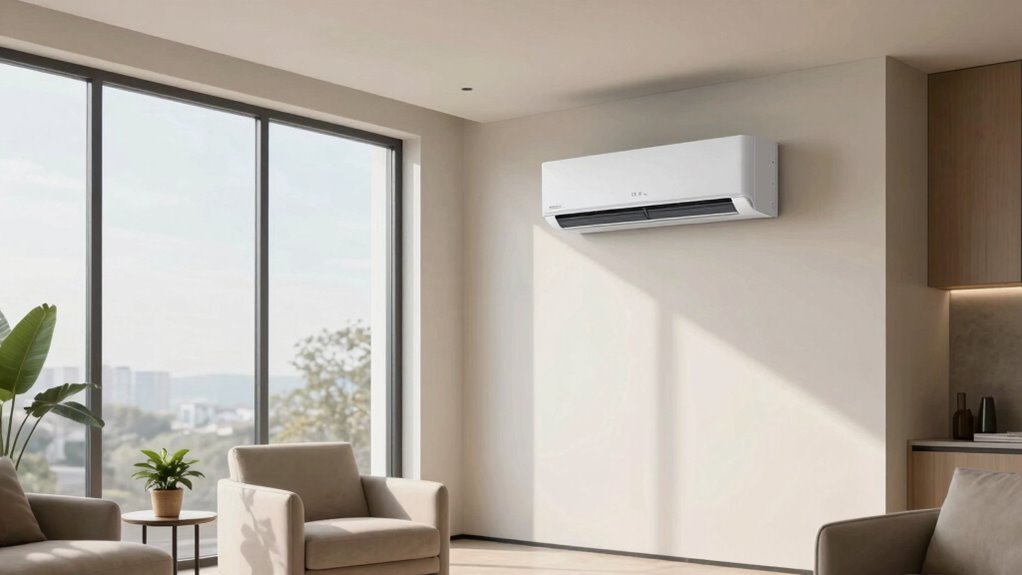
Even with a whole-house air cleaner, you still need to think about each room’s specific needs because different areas have unique issues. For example, home offices may generate electronics pollutants, while basements can harbor mold or dust mites. Targeted solutions like portable purifiers or improved ventilation are often necessary for the best results. If you want to understand how to customize your air quality strategy for each space, there’s more to discover that can make a real difference.

Get garden gear delivered free — and shop member deals
- Fast, free delivery on millions of items
- Access to Prime Big Deal Days deals on October 6–7
- Prime Video, Amazon Music and more included
Key Takeaways
- Whole-house air cleaners may not effectively address room-specific pollutant sources or localized air quality issues.
- Different rooms have unique challenges, such as electronics emissions or mold, requiring targeted solutions.
- Variations in airflow patterns can create stagnation zones, reducing overall filtration efficiency.
- Additional devices like portable purifiers are often necessary for high-traffic or allergy-prone areas.
- Proper maintenance and ventilation strategies must be tailored to each room for optimal indoor air quality.
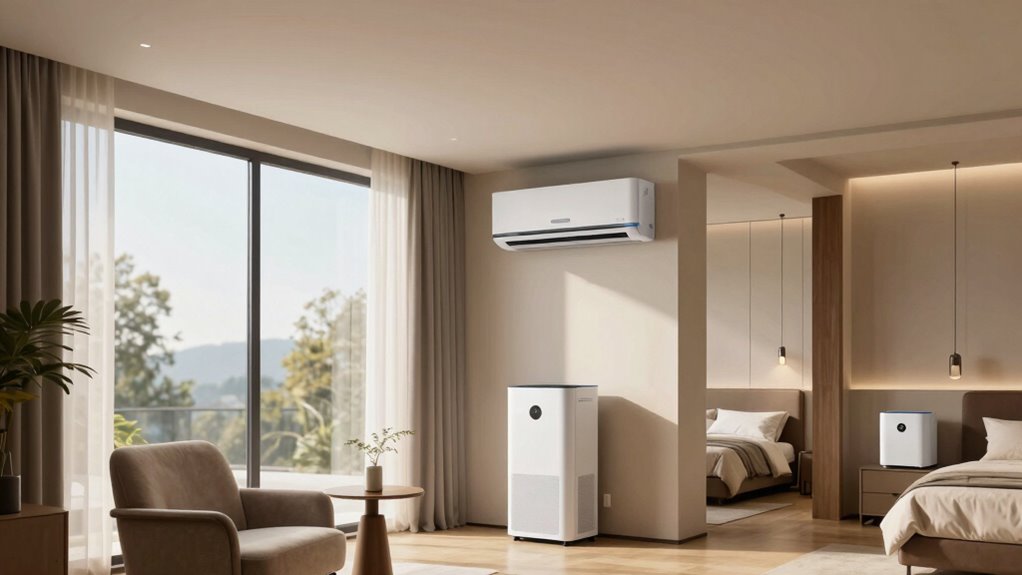
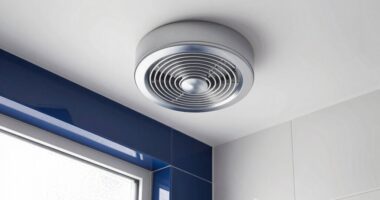
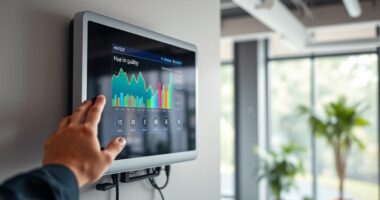
When it comes to ensuring clean air throughout your home, thinking beyond individual room air purifiers can make a significant difference. Whole-house air cleaners are a great start—they filter out pollutants as air circulates through your HVAC system. But don’t assume they’ll handle every air quality issue on their own. While these systems can significantly reduce airborne particles, allergens, and odors, they aren’t a one-size-fits-all solution. You still need to consider room-by-room factors because each space has unique air quality challenges. For example, a home office with a lot of electronics may generate more indoor pollutants, while a basement might harbor mold or dust mites. Addressing these specific needs ensures truly healthy indoor air. Regular maintenance of your HVAC system, including filter changes and duct cleaning, is crucial to prevent pollutants from bypassing filtration and to maintain optimal performance. Relying solely on a whole-house cleaner can lead to gaps in your air quality strategy. Your HVAC system needs regular maintenance to operate effectively. Dirty filters, clogged vents, or neglected ductwork can reduce the system’s efficiency, allowing pollutants to bypass filtration. When your HVAC isn’t properly maintained, even the best whole-house air cleaner can struggle to keep indoor air fresh. Regular HVAC maintenance, including filter changes and duct cleaning, enhances overall air quality and ensures your whole-house system performs optimally. Additionally, understanding the airflow patterns within your home can help identify areas where air might stagnate or pollutants may settle, guiding targeted improvements. Properly assessing ventilation needs in each room can also help prevent issues related to moisture and stale air. Recognizing that indoor air quality can vary significantly between rooms is essential for creating an effective air management plan. However, it’s important to recognize that some rooms may benefit from additional or specialized air cleaning solutions. High-traffic areas, bedrooms, or rooms with specific concerns—like a home gym or pet space—might require portable air purifiers or localized filtration units. These devices can target allergens, odors, or pollutants specific to that space, providing an extra layer of protection. For instance, if someone in your household suffers from allergies, a dedicated purifier in their bedroom can make a noticeable difference in sleep quality and comfort. Thinking room-by-room also involves paying attention to ventilation. Some rooms may need better airflow or exhaust fans to remove stale air or moisture. Proper ventilation complements the work of your whole-house system and helps prevent issues like mold growth or excess humidity. Implementing ventilation strategies tailored to each space ensures a balanced indoor environment. When you combine regular HVAC maintenance, strategic room-specific solutions, and proper ventilation, you create a comprehensive approach to indoor air quality. This layered strategy ensures that every space in your home is as healthy and comfortable as possible, rather than relying solely on a single, centralized air cleaning system.
portable air purifier for bedroom
As an affiliate, we earn on qualifying purchases.
As an affiliate, we earn on qualifying purchases.
Frequently Asked Questions
How Do Room-Specific Air Quality Needs Vary Within a House?
Room-specific air quality needs vary based on activities, occupancy, and sensitivities. You can use personalized ventilation to target areas with higher pollutants, like kitchens or smoking zones. Zoned filtration allows you to customize air cleaning for each space, ensuring ideal air quality. By thinking room-by-room, you address unique conditions, making the whole house healthier and more comfortable without over-ventilating or wasting energy in unaffected areas.
Can Whole-House Air Cleaners Target Specific Allergens Effectively?
Whole-house air cleaners can target many allergen types, but their effectiveness varies based on air purifier efficiency. While they improve overall air quality, some allergens like pet dander or mold spores may require room-specific solutions for maximum removal. You should consider combining whole-house systems with targeted air purifiers in problem areas to guarantee thorough allergen control tailored to your home’s unique needs.
What Are the Limitations of Central Air Cleaning Systems?
Think of central air cleaning systems as a well-oiled machine, but even they face limitations. Airflow restrictions can reduce their efficiency, leaving some areas less clean. Maintenance challenges, like filter replacements, often get overlooked and hinder performance. While they cover large spaces, they can’t target specific allergens or small zones effectively. You might need additional room-by-room solutions to guarantee every corner of your home gets the clean air it deserves.
How Often Should Filters Be Replaced in Different Rooms?
You should replace filters based on their filter lifespan and maintenance schedules, which vary by room. High-traffic or allergy-prone areas might need monthly changes, while less-used spaces can wait every 3-6 months. Check manufacturer guidelines and inspect filters regularly to guarantee ideal air quality. Staying proactive with filter replacements prevents buildup and maintains your whole-house cleaner’s efficiency, ensuring healthier indoor air throughout your home.
Are Portable Air Purifiers Necessary Alongside Whole-House Systems?
You bet, portable purifiers are worth considering alongside whole-house systems. Think of them as the cherry on top, targeting room-specific issues like allergies or odors that your main system might not address effectively. Portable purifiers give you that extra boost where needed most, especially in bedrooms or living areas. Combining both ensures you’re covering all bases, creating a cleaner, healthier environment for everyone in your home.
Conclusion
So, while whole-house air cleaners are a great upgrade, don’t forget to ensure each room’s unique needs. Are you really maximizing your home’s air quality if some spaces still harbor dust or allergens? Taking a room-by-room approach ensures you’re not just relying on one system to do all the work. After all, isn’t your health worth the extra effort to customize your air cleaning plan? Your home’s air quality depends on it.
Fall Picks
fall essentials
As an affiliate, we earn on qualifying purchases.