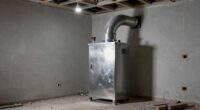
When ventilation and filtration systems work against each other, it can harm your indoor air quality by causing airflow imbalances. If airflow is too fast, filters may not trap pollutants effectively, letting harmful particles circulate. On the other hand, overly dense filters restrict airflow, leading to stale air and poor ventilation. This imbalance can increase energy costs and reduce comfort. Keep exploring to discover how to optimize both systems for a healthier indoor environment.

Get garden gear delivered free — and shop member deals
- Fast, free delivery on millions of items
- Access to Prime Big Deal Days deals on October 6–7
- Prime Video, Amazon Music and more included
Key Takeaways
- Excessive airflow can bypass filters, reducing pollutant removal efficiency.
- Dense filters restrict airflow, leading to stale indoor air and inadequate ventilation.
- High-resistance filters increase energy costs and can strain HVAC systems.
- Imbalanced airflow and filtration cause uneven air distribution and occupant discomfort.
- Poor coordination between ventilation and filtration decreases overall indoor air quality.
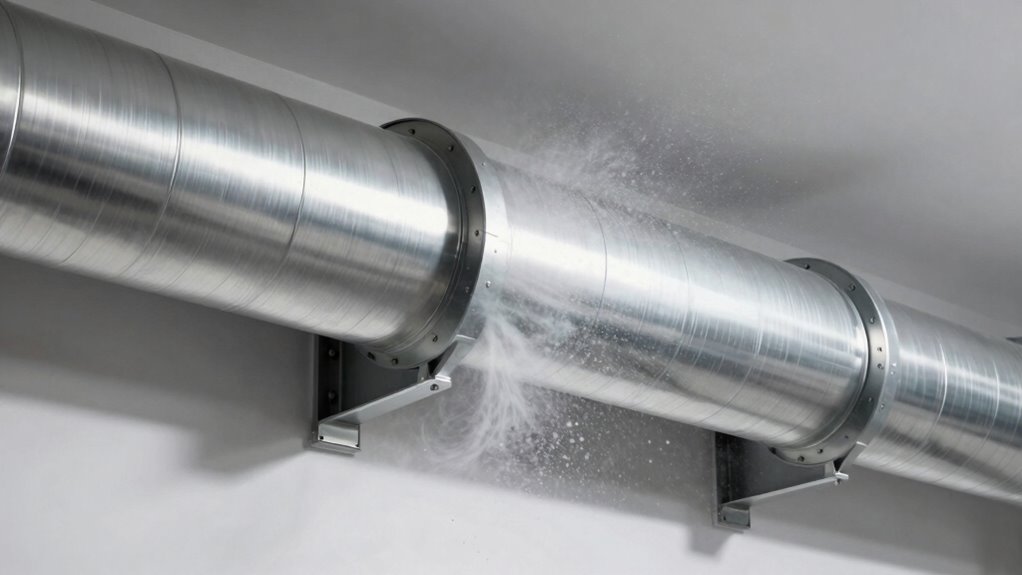
While ventilation and filtration are both vital for maintaining indoor air quality, they can sometimes work against each other, creating a conflicting dynamic. When you focus solely on increasing airflow, you might unintentionally reduce filter efficiency. This happens because higher airflow rates can push unfiltered air through filters too quickly, decreasing their ability to trap airborne particles effectively. Conversely, when you prioritize highly efficient filters, the increased resistance can limit airflow, making it harder for fresh air to circulate freely throughout your space. This tug-of-war impacts overall indoor air quality, as neither approach alone guarantees ideal results.
Balancing airflow and filter efficiency is key to optimal indoor air quality.
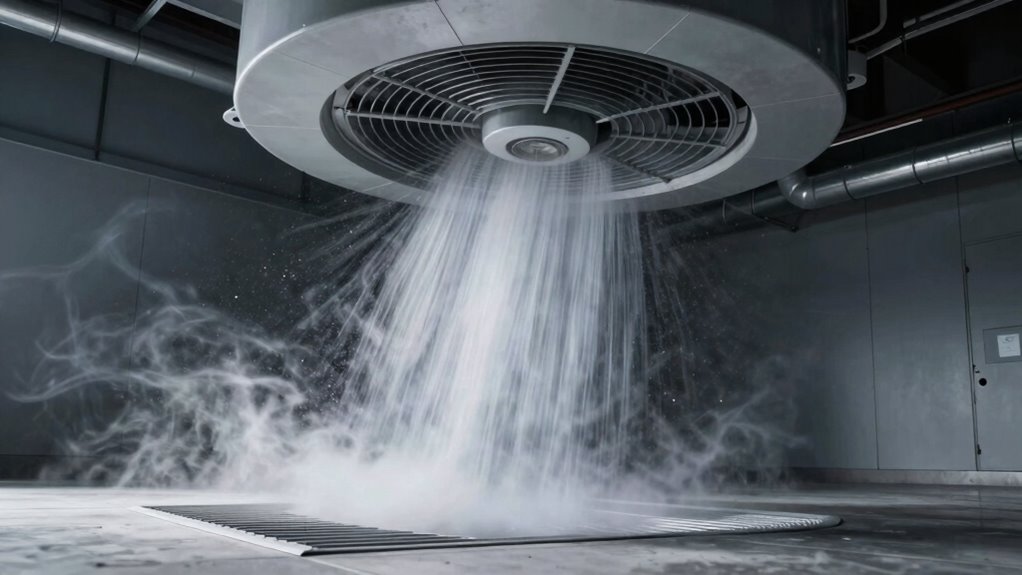
Understanding airflow dynamics is essential to balancing ventilation and filtration. When airflow moves too swiftly, filters may not have enough time to capture contaminants thoroughly, allowing pollutants to bypass the filtration system. On the other hand, sluggish airflow caused by overly dense filters or restricted vents can cause stale air to linger, reducing the effectiveness of ventilation in removing indoor pollutants. Proper airflow management ensures that both systems work synergistically rather than at cross purposes. Additionally, airflow regulation can help optimize the performance of both ventilation and filtration components.
Filter efficiency plays a pivotal role in this balancing act. High-efficiency filters, like HEPA filters, excel at trapping tiny particles but often create more resistance to airflow. If your ventilation system isn’t designed to accommodate these filters, it can lead to reduced airflow, causing your system to work harder and potentially increasing energy costs. Conversely, using less efficient filters allows more air to pass through easily but may let harmful particles escape, defeating the purpose of filtration. Striking the right balance requires selecting filters that provide high particle removal rates without overly restricting airflow.
When ventilation and filtration work against each other, you might notice issues like uneven air distribution, increased energy consumption, or even discomfort among occupants. If airflow is too compromised, stale air can build up, leading to poor indoor air quality and potential health risks. If airflow is too aggressive, filters may become ineffective prematurely, and pollutants may circulate freely. To prevent this, you need to fine-tune your system, ensuring that airflow rates and filter types complement each other for best performance.
In essence, managing the conflicting dynamics between ventilation and filtration involves a careful understanding of airflow and filter efficiency. You should aim for a system that maintains a steady flow of fresh air while effectively capturing airborne contaminants. Properly balancing these elements ensures that your indoor environment remains healthy, comfortable, and energy-efficient without one aspect undermining the other.
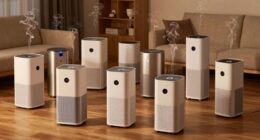
HEPA air purifier for indoor air quality
As an affiliate, we earn on qualifying purchases.
As an affiliate, we earn on qualifying purchases.
Frequently Asked Questions
How Do Ventilation and Filtration Systems Impact Energy Efficiency?
Ventilation and filtration systems markedly impact your building’s energy efficiency. Properly balanced, they optimize energy consumption by reducing unnecessary airflow and filtering effectively without overworking the system. When these systems work against each other, energy use increases, leading to higher costs. To guarantee system optimization, you should regularly maintain and calibrate your ventilation and filtration units, preventing inefficiencies and saving energy while maintaining good indoor air quality.
Can Conflicting Systems Cause Indoor Air Quality Issues?
Imagine a tug-of-war inside your space, where conflicting systems pull in different directions. When ventilation and filtration lack system harmony, it can disrupt air exchange, trapping pollutants or bringing in unfiltered contaminants. This imbalance creates indoor air quality issues, leaving you breathing stale or polluted air. Ensuring these systems work together smoothly maintains fresh, clean air, preventing health risks and boosting overall comfort.
What Are the Signs of Ventilation and Filtration System Conflicts?
You might notice signs of ventilation and filtration system conflicts through airflow imbalance, where some rooms feel stuffy or overly dry, while others remain humid. You could also observe filter bypass, with dust or debris bypassing the filters and accumulating in your space. These issues indicate that the systems aren’t working harmoniously, leading to compromised indoor air quality and potential health concerns. Regular maintenance helps prevent these conflicts.
How Do Climate Conditions Influence System Conflicts?
Climate conditions, like humidity levels and airflow patterns, act as the weather’s puppeteers, pulling the strings of your system’s performance. High humidity can cause moisture buildup, worsening conflicts by encouraging mold and reducing filtration efficiency. Conversely, fluctuating airflow patterns may create pressure imbalances, making ventilation less effective. These conditions challenge your system’s balance, forcing it to work harder and sometimes undermining its ability to keep indoor air clean and comfortable.
Are There Specific Building Types More Prone to These Conflicts?
Certain building types, like hospitals or cleanrooms, are more prone to system conflicts due to their specialized building design. These buildings require precise ventilation and filtration, making system compatibility essential. If ventilation systems aren’t carefully integrated with filtration setups, conflicts can arise, reducing efficiency or compromising air quality. As a result, understanding how building design influences system compatibility helps prevent issues, especially in environments demanding high air purity.
Conclusion
Just like Icarus flying too close to the sun, you risk crashing your efforts when ventilation and filtration oppose each other. If they work against rather than with each other, you might find your indoor air quality plummeting instead of improving. Remember, the harmony of these systems is key—think of it as balancing the scales of justice. When properly aligned, your environment becomes a sanctuary, not a battleground, for clean, healthy air.
Fall yard work Picks
leaf blowers
As an affiliate, we earn on qualifying purchases.