Harnessing indoor air pressure differences is key to controlling contaminant movement; learn how balancing pressure can protect your environment.
Browsing Category
Air Quality Science & Metrics
95 posts
Understanding NOx and SO2: Sources and Indoor Infiltration
Protect your indoor air by understanding how NOx and SO2 from outdoor sources can infiltrate and impact your health—discover essential prevention strategies.
VOC Breakdown: Aldehydes, Ketones, and Hydrocarbons
Breaking down VOCs produces aldehydes, ketones, and hydrocarbons that pose health risks; discover how these transformations impact indoor air quality.
Health Guidelines for PM2.5 Exposure: WHO and EPA Standards
When it comes to PM2.5 health guidelines, understanding WHO and EPA standards is crucial for protecting your well-being; discover how these limits impact your daily environment.
Statistical Techniques for Interpreting Air Quality Data
Great statistical techniques unlock insights into air quality data, revealing patterns and relationships that can help improve environmental health—continue reading to discover how.
Pollutant Synergy: Combined Effects of Multiple Contaminants
Navigating pollutant synergy reveals how combined contaminants can amplify harm unexpectedly, making it crucial to understand these interactions before…
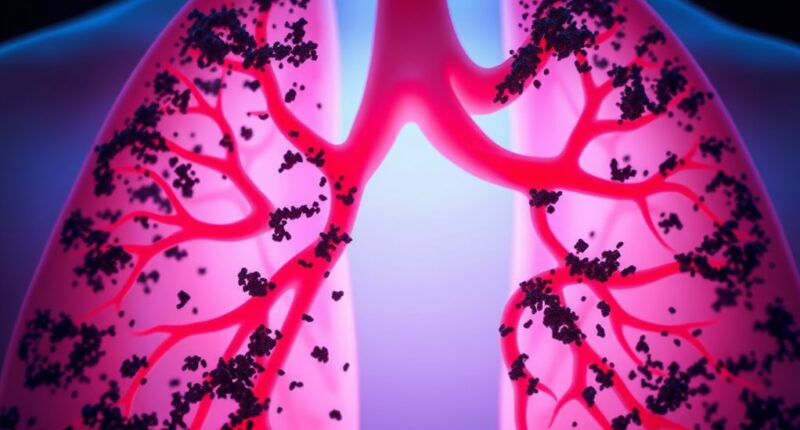
Particulate Matter Deposition in the Respiratory System
How particulate matter deposits in your respiratory system can impact your health and why understanding this process is crucial for your well-being.


Understanding VOC Emission Rates From Building Materials
Understanding VOC emission rates from building materials can help improve indoor air quality and health—discover how to evaluate and reduce these emissions effectively.
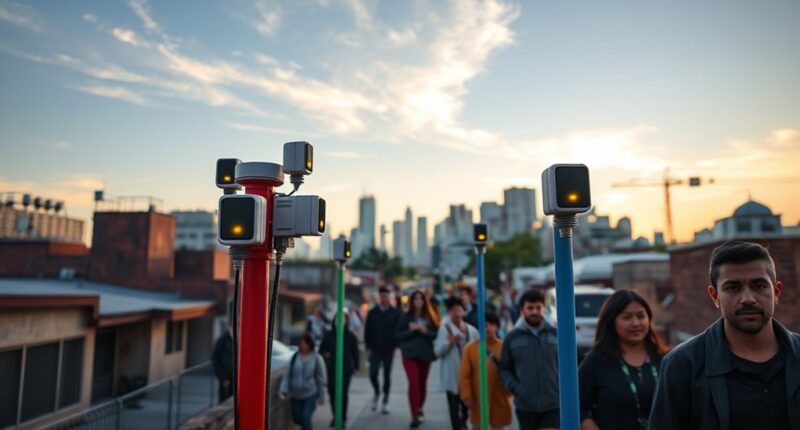
Using Low-Cost Sensors for Community Air Quality Monitoring
Inefficient air quality monitoring can be costly, but low-cost sensors offer an accessible way to empower communities to take action.
Short-Term Vs Long-Term Exposure: Implications for Health
Discover how short-term and long-term exposures differently impact your health and why understanding these risks is crucial for your well-being.
Airborne Microplastics: Sources and Measurement Techniques
Great insights into airborne microplastics sources and measurement techniques reveal crucial details you won’t want to miss.
Assessing Exposure to Carbon Monoxide Indoors
Only by understanding proper assessment can you effectively protect yourself from dangerous indoor carbon monoxide exposure.
Measuring Ozone Indoors: Challenges and Solutions
Harnessing accurate indoor ozone measurements can be challenging; discover key solutions to ensure reliable results and why understanding these methods matters.
Correlation Between Outdoor AQI and Indoor Air Quality
Why does outdoor AQI directly influence indoor air quality, and what can you do to protect your home from pollution?
AQI Color Codes and What They Mean
Meta description: “Monitoring AQI color codes helps you understand air quality levels and health risks—discover what each color means for your daily safety.
Real-Time Vs Integrated Sampling Methods for Air Quality
Biased toward immediate detection or long-term accuracy, understanding real-time versus integrated sampling methods is crucial for comprehensive air quality assessment.
Overview of Common Indoor Air Pollutants
Discover the diverse indoor air pollutants affecting your health and comfort, and learn how to effectively reduce their presence in your home.
Health Effects of VOCs: From Sick Building Syndrome to Chronic Disease
Keen awareness of VOC health effects reveals risks from sick building syndrome to chronic disease; discover how to protect yourself inside.
Understanding Exposure Metrics: Time-Weighted Averages
Learning about Time-Weighted Averages helps you assess exposure risks accurately; discover how they are calculated and why they matter below.
Using AQI for Public Health Advisories
Using AQI data helps you issue timely public health advisories by informing…
Particulate Matter as Carriers for Viruses and Bacteria
Keen understanding of particulate matter as carriers for viruses and bacteria reveals how indoor air quality impacts infection risk, urging further exploration.
CO2 Thresholds for Healthy Indoor Environments
Discover the critical CO2 thresholds for healthy indoor environments and learn how proper ventilation can protect your space and well-being.
Indoor Vs Outdoor Air Quality: Comparing Pollutant Levels
Breathing indoor air can be more hazardous than outdoor pollution; discover why and how to protect yourself from unseen threats inside.
Measuring Total VOCS Vs Individual Compounds
Studying total VOCs versus individual compounds reveals key differences that impact air quality assessment and source identification, and understanding these distinctions is essential.
The Health Impacts of PM1 and Ultrafine Particles
Protect yourself from the hidden dangers of PM1 and ultrafine particles—discover how these tiny pollutants can impact your health and what you can do to stay safe.
Understanding Clean Air Delivery Rate (CADR): Smoke, Dust and Pollen
Keen to improve your indoor air quality? Discover how CADR ratings for smoke, dust, and pollen can help you choose the right air purifier.
Microplastics in Indoor Air: Measurement and Health Concerns
Just how microplastics infiltrate indoor air and their potential health impacts remain uncertain, prompting the need for further investigation.
The Role of Humidity and Temperature in Indoor Air Quality
Keeping humidity and temperature balanced is crucial for indoor air quality; discover how to create a healthier home environment today.
Satellite-Based Air Quality Monitoring: Bridging Gaps
What if satellite-based air quality monitoring could reveal hidden pollution patterns and transform urban health strategies—discover how it bridges crucial data gaps.
How Laser Particle Counters Measure Particulate Matter
Opportunity to learn how laser particle counters provide instant, detailed insights into air quality by measuring particulate matter with laser-based precision.
Nitrogen Dioxide and Ozone: Outdoor Pollutants With Indoor Consequences
Find out how outdoor nitrogen dioxide and ozone threaten indoor air quality and what steps you can take to protect your health.
Carbon Dioxide as a Proxy for Ventilation and Infection Risk
A valuable indicator for ventilation and infection risk, CO₂ levels reveal indoor air quality and how to improve safety in enclosed spaces.
Volatile Organic Compounds (VOCs): Sources and Indoor Impact
Understanding the sources and indoor impact of VOCs is crucial for improving air quality and health—discover how to reduce your exposure below.
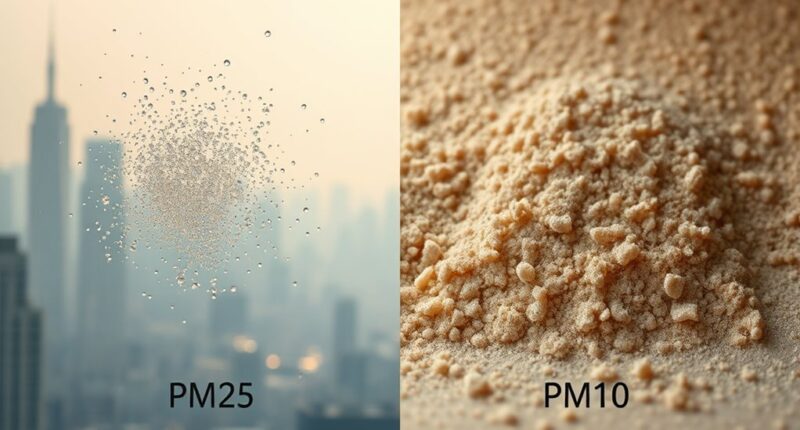
PM2.5 Vs PM10: Comparing Particle Sizes and Health Effects
Stay informed on how PM2.5 and PM10 differ in size and health impacts to protect yourself from air pollution risks.
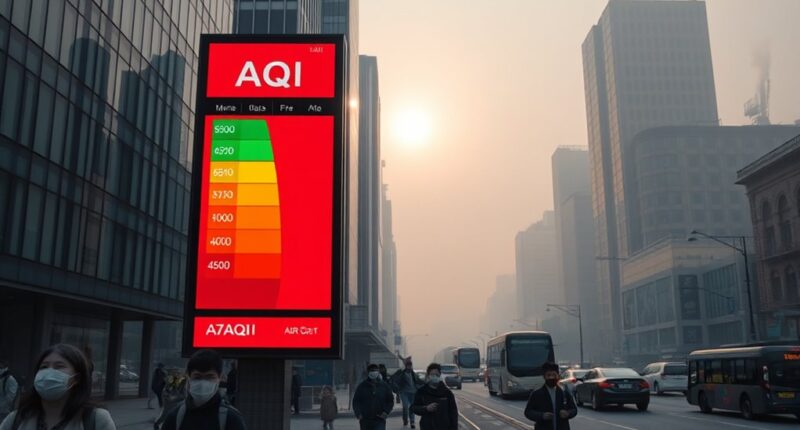
Understanding the Air Quality Index (AQI): Categories and Health Implications
Discover how AQI categories impact your health and why understanding pollution levels is crucial for safety and well-being.